


 malvernmugadzikwa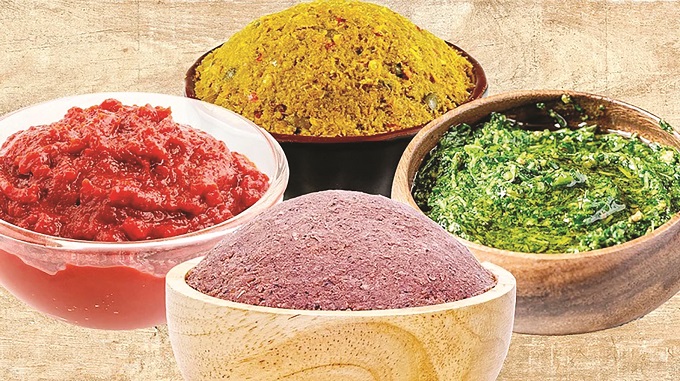
Trade Focus
Allan Majuru
Horticulture remains one of Zimbabwe’s most promising sectors, contributing substantially to export earnings.
In fact, demand for Zimbabwean horticultural produce is increasing in recognition of its superior taste and quality, attracting demand from global markets.
In response, the Second Republic has launched various initiatives to increase the sector’s productivity and improve access to international markets.
One of the key reforms involves making leases on agricultural land more secure, bankable and transferable.
These reforms aim to attract investments while providing farmers, especially smallholders, with better access to credit from financial institutions — an essential factor for scaling operations and boosting exports.
Alongside these changes, the Government is also offering smallholder farmers inputs like seeds and fertilisers and investing in modern farming techniques and irrigation infrastructure to mitigate climate risks, ensuring year-round production.
To further strengthen export capacity, ZimTrade, the country’s trade promotion agency, is helping local farmers tap into new markets, particularly in the Middle East, which presents a prime opportunity due to its heavy reliance on imported horticultural produce.
This growing demand for horticultural produce in the Middle East presents huge opportunities for local farmers to tap in and expand their markets.
The region faces challenges such as harsh climate, water scarcity and limited arable land, driving demand for imported fresh produce.
Currently, countries like South Africa, Kenya and Egypt dominate the market in the Middle East.
These countries have established themselves as reliable suppliers of fresh produce, making the market competitive.
However, Zimbabwe’s growing reputation for producing high-quality and sustainably farmed products gives it an edge, particularly as buyers look to diversify their sources.
Zimbabwe is reputed for producing high-quality horticultural products such as peas, citrus, avocados, blueberries and flowers, and has an opportunity to meet the Middle East’s year-round need for fresh produce.
Countries that present the most potential include the Gulf Cooperation Council for the Arab States of the Gulf (GCC).
The GCC is an alliance of six Middle Eastern countries, namely Saudi Arabia, Kuwait, the United Arab Emirates (UAE), Qatar, Bahrain and Oman.
The GCC is one of the key players in the Middle Eastern wholesale food market, spending billions of dollars on imports.
Countries such as the UAE have also positioned themselves as some of the biggest re-exporters of food and horticultural produce in the region.
Dubai serves as a gateway to the Middle East, providing Zimbabwean companies the opportunity to expand market share and diversify their product range.
Zimbabwe is already exporting to Dubai, which local companies can use as a base to expand into other products and services.
Low-hanging fruits
Horticulture imports by GCC countries in 2012 stood at US$7,5 billion, and grew to US$12,2 billion in 2022, of which just under US$700 million was from countries within SADC, including Zimbabwe.
As the Middle East is generally a dry region, it attracts high spenders and consumers of fruits, vegetables and meat products, creating opportunities for Zimbabwean products.
Most of the horticultural produce consumed domestically, including in hotels and restaurants, is imported.
Farmers and local businesses can exploit low-hanging export options such as oranges, grapes, pears, avocados, potatoes, chickpeas, guavas, mangoes, stone fruits, tomatoes, strawberries and fresh-cut roses.
These products are already in demand, and Zimbabwean farmers have the capacity to produce them.
Zimbabwe’s current food exports to the Middle East include strawberries, blackberries, gooseberries, black fermented tea, and fresh and dried fruits.
Some of these products reach the region indirectly through intermediary markets like the Netherlands.
Other potential horticultural exports to the Middle East include tea and coffee.
Green tea consumption is rising, while the coffee processing industry is expanding, driving demand for coffee in the region.
Like much of the Middle East, agriculture in the area is limited by high temperatures, which can reach 52 degrees Celsius, making farming difficult.
Some farming is done in controlled environments such as greenhouses.
Compared to local produce, Zimbabwean organic fresh produce, known for its health benefits and superior taste, presents an export opportunity.
Zimbabwe’s vast arable land and favourable climate are resources that can be leveraged to increase contributions to the Middle East’s horticultural imports.
Local exporters can take advantage of Zimbabwe’s unique supply window to the Middle East, like what is done with Europe for many horticultural products.
For example, Zimbabwean farmers can optimise pea exports to the Middle East in April/May, before countries like Peru enter the market.
Growing demand for value-added foods also supports the case for further exploring the Middle East as a market.
Products with potential include tomato paste, fruit jams, sesame oil and paste and canned or pickled vegetables.
There is also demand for goat meat.
However, to access the meat market, Zimbabwean producers must ensure their products are Halal certified.
Processed food manufacturers must also focus on certification to facilitate market entry.
To improve competitiveness, exporters must ensure that packaging meets convenience and regulatory requirements in the Middle East.
All food items intended for export should have production and expiration dates on their packages.
Some market requirements
Each Middle Eastern country has its own set of regulations governing imports, so penetrating the market involves meeting several key requirements, which include adherence to Halal standards.
Some of the issues exporters must look out for include prohibition of imports that can pose sanitary and phytosanitary risks.
There are also measures in place to establish residue limits or tolerance limits of substances such as fertilisers, pesticides and certain chemicals and metals in food.
These measures include permissible maximum levels for non-microbiological contaminants.
There are also specific measures that require information directly related to food safety to be provided to the consumer.
Farmers are encouraged to consider global certifications such as Global Good Agricultural Practices (GAP) certification, which consider the basic requirements found in most markets.
Organic certifications and FairTrade especially in premium segments where consumers are willing to pay more for ethically sourced products.
Allan Majuru is the ZimTrade chief executive officer.


 Online Reporter