Online Reporter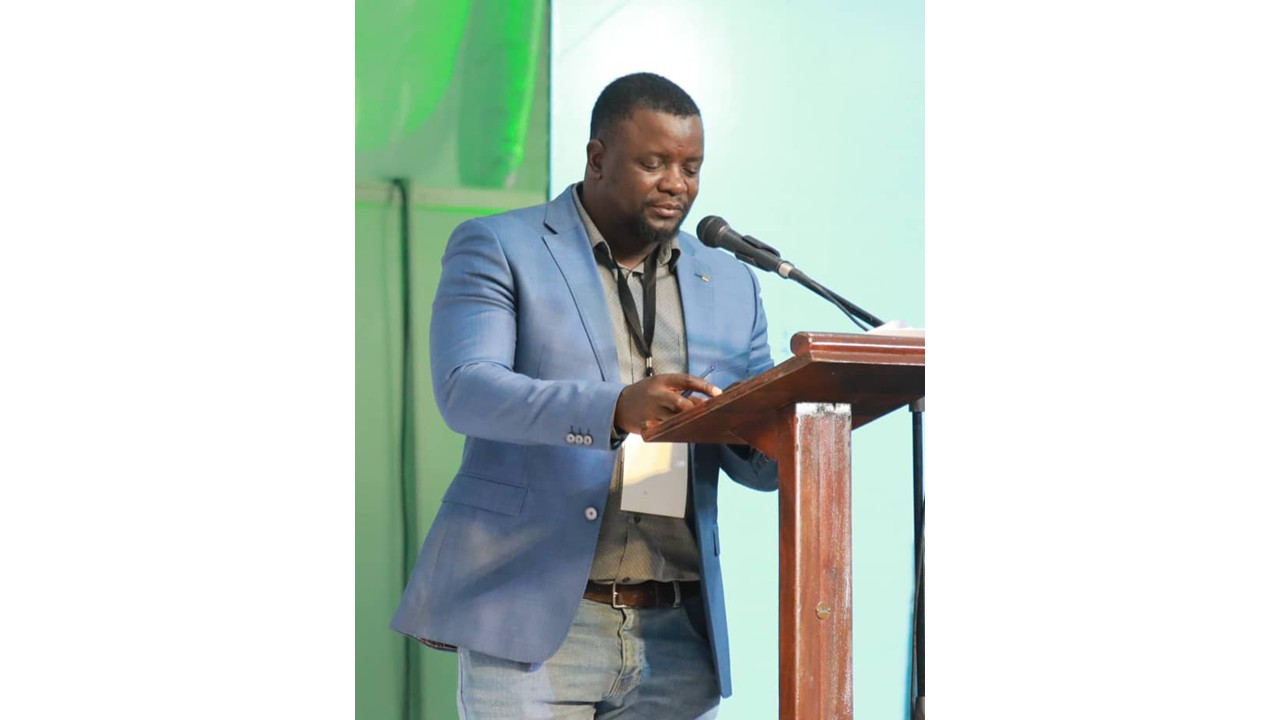
Sikhulekelani Moyo
[email protected]
Zimbabwe’s mining sector faces a looming resource gap unless investment in mineral exploration is significantly increased, the Geological Society of Zimbabwe (GSZ) has warned, saying the country’s average mine life of between five and 10 years falls far short of the 15 to 20 years required to develop a new mine from discovery to production.
Addressing delegates at the Mine Entra Exploration Symposium in Bulawayo on Thursday, GSZ chairperson Mr Edgar Chiteka said exploration remains the foundation of a sustainable mining industry and should be prioritised if Zimbabwe is to secure its long-term mineral production, industrial growth and foreign currency earnings.
He said many of Zimbabwe’s major mining operations started as untouched bush, thick grass or Kalahari sands before exploration unlocked their economic value.
“Thanks to exploration we managed to transform those environments to what they are now, thriving mines, thriving cities and to a large extent thriving economies,” said Mr Chiteka.
“Often we forget about exploration. One speaker was talking about when finances shrink, the first thing to be thrown out of the room is exploration.”
He likened operating mines without sustained exploration to driving at night without headlights.
“Yes you can move, you can say you have a bit of money to sustain yourself for a couple of years but what happens after those couple of years?” he asked.
“Wherever a mine is mentioned the first question is, so what is the life of mine? In Zimbabwe I’m sure the number is somewhere between five and 10 years.
“Do you know how long it takes to establish a mine, say from discovery to the first turn of ore? You range from 15 to 20 years. And here we are, we are saying the average life of mine in Zimbabwe at present is somewhere between five and 10 years. Do you realise that we have a gap there?”
Mr Chiteka said the mismatch between the lifespan of existing mines and the lengthy period required to develop new ones should serve as a wake-up call for policymakers and investors to increase funding for exploration.
He said Zimbabwe possesses world-class geology comparable to that of Australia and has the potential to become a leading global mining destination if exploration is intensified.
“We are endowed with great geology. That one is not in doubt. To some extent we can even equate ourselves to the geology of Australia. Australia is a well-developed country. It has got similar geology with us. It has got a long history of exploration and mining and their mining industry is among the top in the world. Yet we share the same basement rocks. What lies beneath our feet is almost similar,” said Mr Chiteka.
He commended the Ministry of Mines and Mining Development for engaging industry stakeholders, saying Government had demonstrated its willingness to listen and implement practical measures to grow the sector.
Mr Chiteka said although Zimbabwe has more than 65 known mineral occurrences, those resources would remain untapped unless significant investment is channelled into exploration.
“We say Zimbabwe has got over 65 minerals in the ground. They are in the ground. If we don’t invest in exploration, they will remain in the ground. So it is with that energy that we need to invest into our exploration,” he said.
He urged Zimbabwe to position itself to attract a greater share of global exploration capital, estimated at between US$4 billion and US$42 billion, saying such investment would underpin the country’s future economic growth.
“Attract the vast amount of global exploration funds out there in the world. We have to dress ourselves and attract this. And this will be the genesis of our future growth, our future sustainable, mutually beneficial progress as a nation,” he said.
Mr Chiteka also commended the Chamber of Mines of Zimbabwe for introducing the inaugural Exploration Symposium, describing it as an important platform for geoscientists, investors and mining executives to exchange ideas and develop strategies for expanding Zimbabwe’s mineral resource base.
“Without exploration, we have no mining industry to talk about. Without a mining industry to talk about, we have a limited economy, and hence we have limited foreign currency. So, exploration is the lead,” he said.