admin
admin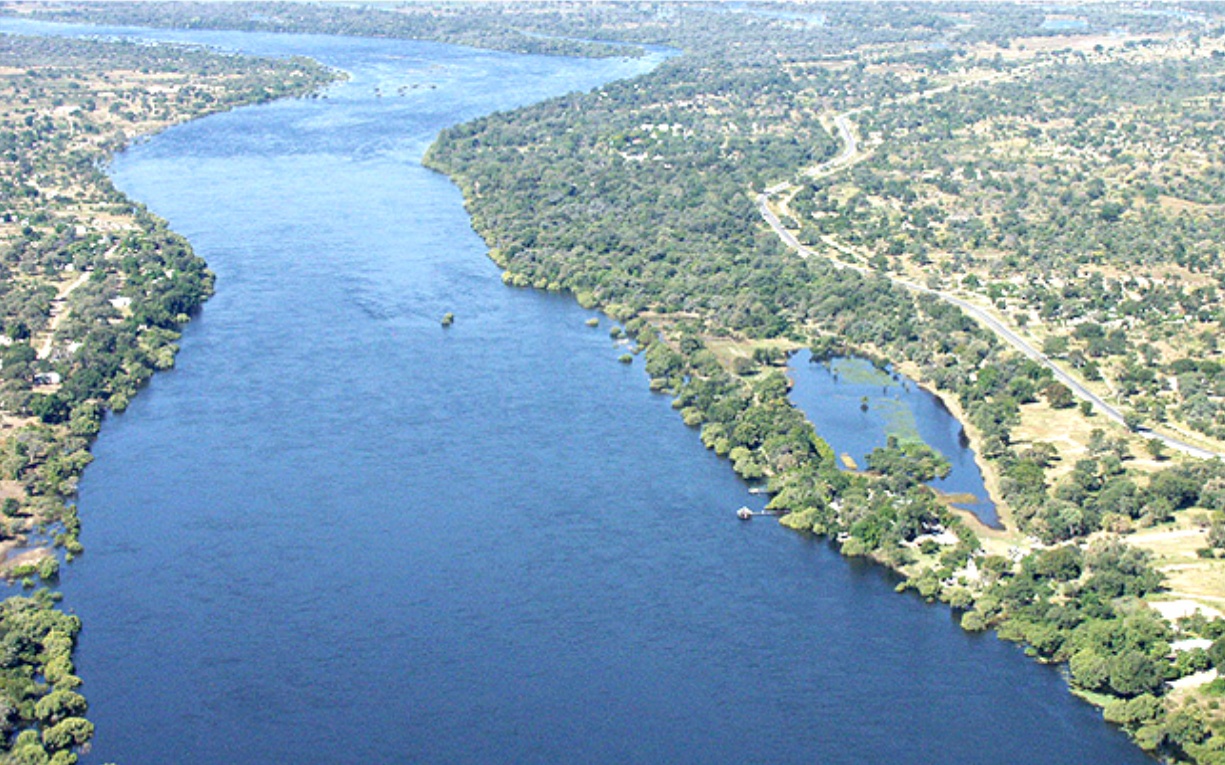
 THE Zambezi effused with great power, as it had always done for a thousand years before. It was anointed by the Tonga clans Kashambambezi — the pool that brave ones bathe in, so only the bold could submerge into the cold and crushing waves of this titan river. It rolls over a series of gorges, Mosi-oa-Tunya as they were known to the insiders. On a scorching day in 1855, an outsider stood and took in sight the most striking scene he had ever seen. From then on he became the insider to the extent of christening these falls. David Livingstone discovered the Victoria Falls.
Today, the National Gallery of Zimbabwe seeks to vigorously question that assertion. With the upcoming UNWTO General Assembly, an exhibition entitled “Mukati Unze” will be held in the busy Victorian town. “Mukati Unze” is a art work on display will be obtained from a wide array of artists from all over Zimbabwe and will be a benchmark of the best. The exhibition will be staged in a pavilion that was donated by the gallery’s benefactors as a result of the 2012 “Visionary Africa: Art at Work” exhibition.
The National Gallery’s pavilion will consist of the old structure that was used at the 2012 exhibition and a new structure that will be assembled to provide ample housing for the works to be showcased. The exhibition is set to take place at a Pavilion specially constructed to showcase a large collection of works. “The Pavilion provides the National Gallery of Zimbabwe with a new capacity -to take art around the country and showcase artists in new spaces,” said the National Gallery of Zimbabwe’s executive director, Doreen Sibanda. The pavilion will be situated near the old railway line in Victoria Falls Town. There will be the complement of art against the curtain of falling water that is known as “The Smoke that Thunders”.
The exhibitions’ curator, Mr. Raphael Chikukwa, expressed great optimism for the event and stressed that taking art to the public domain will bring a greater audience, naturally and will be a springboard for the concision of art exposition. “Building on Art at Work and the responses we got from the viewers of that exhibition, we found that people where enthralled by the design of the structure. The portability of this space allows for dismantlement and transportation to different locations.”
The pavilion’s architect, David Adjaye, conceived the original structure to suit the display of art work in a manner that the African public best responds to it that is, a makeshift object that serves its purpose for a set amount of time at a space where movement is frequent.
Adjaye, a globally reputable architect, modelled the pavilion to match ad hoc constants on the continent such as marketplaces and hawk-stalls. “Instead of spending money to campaign for better facilities, we use that money to work with an art institution, or a non-profit organisation, to build a structure,” said Adjaye. “The structure is linked to a local organisation that looks after it, and that will allow artists who are not in the mainstream to show their work in a space that supports public discussion and education.”
“Mukati Unze” will put local artists in Livingstone’s shoes; to make them explorers of something their forebears had stripped away from them — their souls. The Zambezi is a spiritual representation of many clans and is a loving and cruel mother to six nations, “Mukati Unze” will project Zimbabwean interpretations of this river. As a showcase of works by artists from different backgrounds, with an interpretive probing on the importance of the Zambezi, “Mukati Unze” will review the intellect and emotion of Zimbabwe’s contemporary art scene in accordance with the African Cultural Renaissance.
The European “insider” effect will be juxtaposed with the Zimbabwean “outsider” inheritance. The town of Victoria Falls itself is a rough copy of Victorian era England, built along themes that captured the imperialist era. To the Zimbabwean psyche, especially a post-colonial generation, nothing screams “Rule Britannia” such as the town by Mosi-oa-Tunya.
It is an aberrant co-existence that will be investigated by turning by the outsider, who has an insight on the river and can best describe its importance to themselves, a life-blood in which most river inland flow to. “What we are showing within this structure, this tool, are moments,” said Simon Njami, curator of the Art at Work project.
“One moment will be called yesterday, a second today, and a third tomorrow”. With this in mind “Mukate Unze” dissects history and relates it with the present.
The operation of structure and content will determine the future of art in Zimbabwe in relation to what art is to society, how art is presented and how it describes or questions the constants set before it.
“At the end of the day, it is not the pavilion that is important but the programme that it supports,’’ Adjaye emphasised. The pavilion will be the NGZ’s way of further engaging the public and promoting local artists. Running for the same duration as the tourism event, the exhibition intends articulate the co-dependence that the tourism industry and art sector share.



 Online Reporter