Online Reporter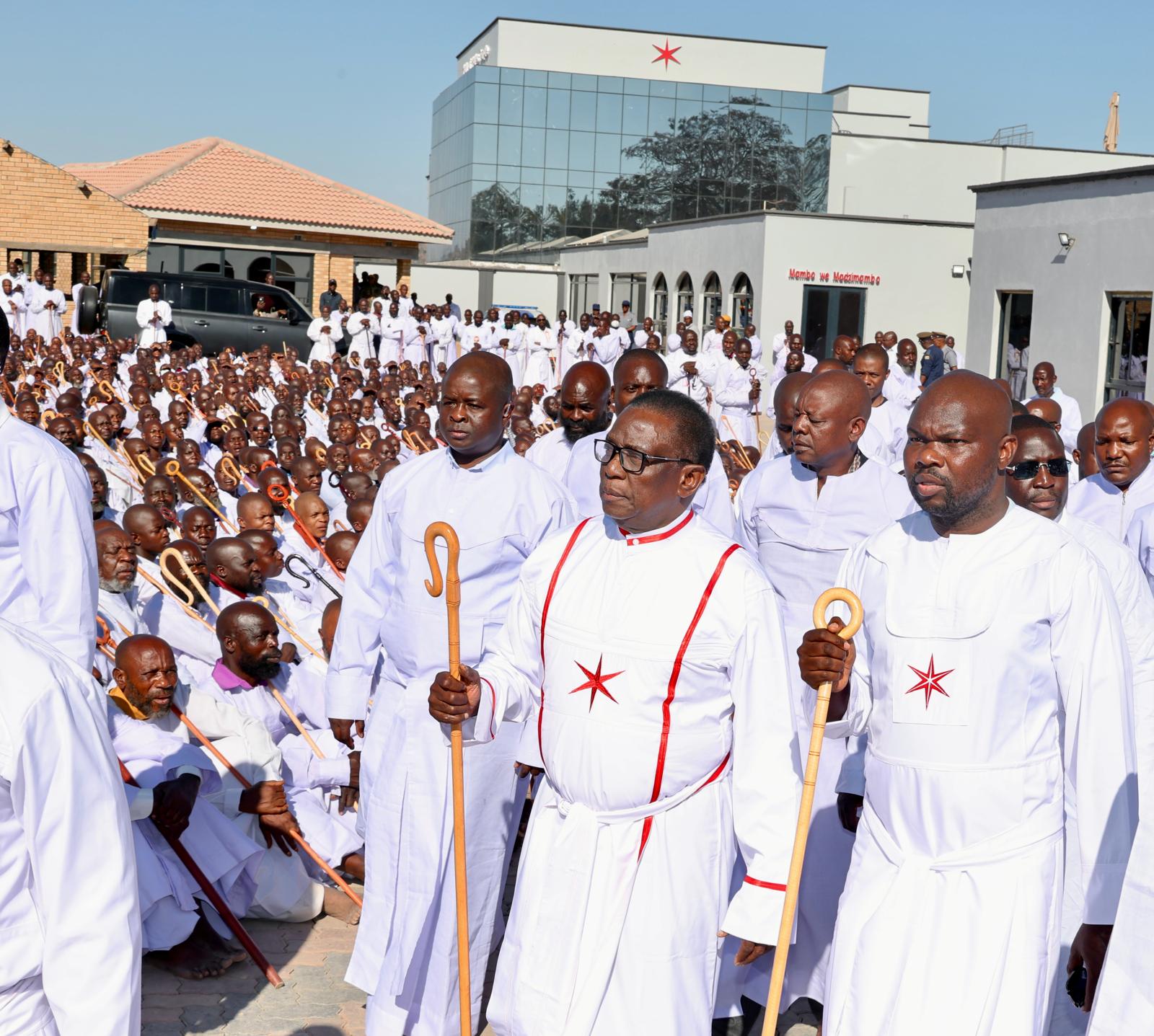
Desire Munyanyi, [email protected]
Zimbabwe’s history is one of struggle, countless conundrums and triumphs. It is a story of a people who have endured periods of challenges, celebrated moments of victories and remained hopeful about the future.
Through every chapter of the nation’s journey, one institution has consistently provided strength, comfort and guidance to millions of Zimbabweans: that is religion.
Across the country, from Mutare, Harare and all the way to Bulawayo, church bells ring every Saturday and Sunday, with gatherings bringing together scores of worshippers. Gospel music echoes through homes and communities, while countless families begin and end each day in prayer.
For many Zimbabweans, faith is not merely a religious practice. It is a way of life that shapes values, strengthens families and inspires hope even in the most difficult circumstances. It is in fact, the actual bedrock on which our beloved nation stands.
The role of Christianity in Zimbabwe extends far beyond the walls of churches. It has become a powerful force for nation building by promoting peace, unity, compassion, honesty and service to others. These are values that every successful nation requires, even the American dollar testifies it – In God We Trust.
Throughout history, churches have been among the country’s most dependable social institutions. They have established schools that have educated generations of Zimbabweans, hospitals and clinics that have saved lives, orphanages that have cared for vulnerable children and charitable organisations that continue to provide food and assistance to families facing difficult times.
Many people, including the writer, are products of mission schools, further cementing the extent to which religion, especially Christianity, has played a role in the development of Zimbabwe.
When communities experience droughts, economic challenges or natural disasters, churches are often among the first institutions to mobilise assistance.
Congregations collect food, clothing and financial support for those in need, demonstrating that Christianity is not only about worship but practical service as well.
During the nation’s difficult times ,from the liberation struggle to more recent events such as Cyclone Idai and the Covid-19 pandemic, the church has stood arm in arm with the Government.
Perhaps religion’s greatest contribution has been its ability to give people hope.
Every nation encounters seasons of difficulty. Zimbabwe has experienced economic challenges, health crises, natural disasters and other tests over the years. Yet despite these obstacles, millions of
Zimbabweans have remained optimistic because their faith reminds them that difficult seasons do not last forever.
Hope is one of the most valuable assets any nation can possess. A hopeless people cannot build a prosperous future. Faith encourages citizens to believe that tomorrow can be better than today and it motivates them to continue working hard for themselves, their families and their country.
Christian teachings also promote virtues that are essential for national development. Integrity, honesty, discipline, forgiveness, humility, hard work and respect for authority are principles that contribute to peaceful communities and productive societies.
A nation does not become prosperous solely because it possesses abundant natural resources. Sustainable development depends equally on the moral character of its citizens. Roads, factories and modern infrastructure are important, but they must be matched by responsible citizens who reject corruption, respect the law and work diligently.
Therefore, churches play an important role in moulding responsible citizens from childhood through adulthood. Young people, who grow up embracing positive values, are more likely to become responsible workers, ethical businesspeople, compassionate leaders and law-abiding citizens.
Zimbabwe’s rich religious diversity has also contributed to social cohesion. Various Christian denominations, including apostolic, Pentecostal, evangelical, Catholic and mainline Protestant churches, continue to unite people across tribal, racial and social backgrounds through a shared belief in God and a commitment to serving humanity.
One notable feature of Zimbabwe’s religious landscape is the vibrant Apostolic movement, which remains one of the country’s largest faith communities. Its emphasis on family values, discipline, community support and prayer has had a profound influence on millions of believers across the nation.
It is within this context that President Mnangagwa’s attendance at the Johane Marange Apostolic Church’s annual Passover ceremony at the St Noah Mafararikwa Shrine in Marange, Manicaland Province, carries significance.
Such engagements reflect an appreciation of the important role that faith communities play in fostering national unity, social stability and moral development. The leaders also recognise that churches remain valuable partners in building stronger communities and encouraging citizens to contribute positively towards national development.
The relationship between Government and religious institutions has long been an important aspect of Zimbabwe’s development. While the Government leads policy formulation and economic programmes, churches complement these efforts by nurturing ethical citizens, promoting social responsibility and encouraging peaceful coexistence.
This partnership becomes especially important as Zimbabwe continues pursuing Vision 2030. Achieving national aspirations requires not only investment, industrialisation and infrastructure development, but also citizens whose conduct reflects integrity, discipline and patriotism.
Faith-based organisations can continue supporting national development through youth mentorship, skills training, health awareness campaigns, drug and substance abuse prevention programmes, environmental conservation initiatives and support for vulnerable members of society.
The Church also occupies a unique position as a voice of reconciliation. Families divided by conflict, communities affected by disputes and individuals carrying emotional burdens often find healing through faith. A peaceful society is built not only through laws but also through forgiveness, compassion and mutual respect – principles deeply rooted in Christian teaching.
Importantly, religion reminds Zimbabweans that nation building is everyone’s responsibility. Every citizen has a role to play regardless of occupation or social status. Teachers educate future generations, farmers feed the nation, entrepreneurs create jobs, healthcare workers preserve life, civil servants deliver essential services and churches nurture the moral and spiritual foundation upon which society stands.
As Zimbabwe continues on its development journey, faith will undoubtedly remain an enduring source of strength. It encourages resilience during adversity, gratitude during prosperity and unity during times of national significance.
The story of Zimbabwe has always been one of perseverance. Through prayer, compassion and service, Christianity has helped countless individuals overcome personal struggles while contributing to stronger families and communities. In doing so, it has become an indispensable partner in the broader task of nation building.
As the Government, churches, communities and citizens continue working together, the shared values of peace, hard work, love, honesty and hope can help shape a Zimbabwe that is not only economically prosperous but also morally grounded and socially united. Such a nation is well positioned to realise its aspirations and leave a lasting legacy for future generations.