Online Reporter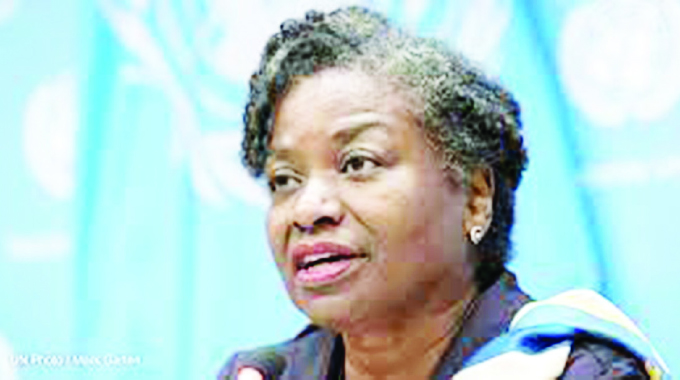
Bongani Ndlovu, Online Reporter
Global fertility is sliding as economic hardship, job insecurity and gender inequality stop millions from having the families they want, a United Nations Population Fund (UNFPA) report launched in Harare last week shows.
Releasing the 2025 State of World Population (SWOP) report – “The Real Fertility Crisis: The pursuit of reproductive agency in a changing world” – UNFPA said one in every five people now expects to have fewer children than desired because the cost of raising a family is simply too high.
“Vast numbers of people are unable to create the families they want. The issue is lack of choice, not desire,” UNFPA Executive Director Dr Natalia Kanem said, calling for paid family leave, affordable fertility care and more supportive partners.
Zimbabwe’s own Total Fertility Rate (TFR) has fallen from 4.3 children per woman in 1994 to 3.9 in the 2023‑24 Demographic and Health Survey.
Urban women now average 3.1 children, while their rural counterparts still have about 4.6. Wealth remains a key divider: women in the lowest income quintile bear 5.5 children, more than double the 2.6 recorded among the wealthiest households. Women in urban areas also start child‑bearing two years later than those in rural areas (21.1 years versus 19.4 years).
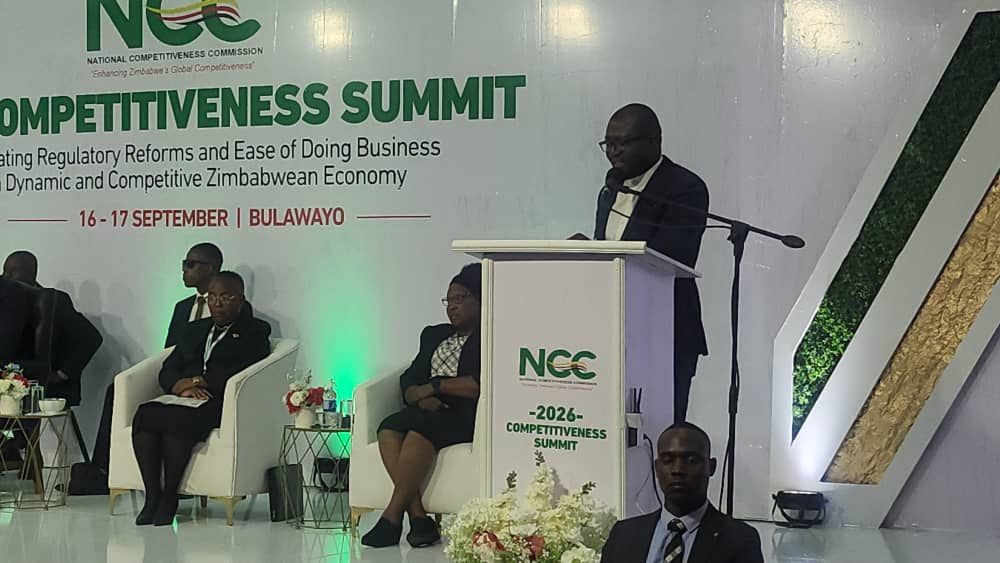
Health and Child Care Minister Dr Douglas Mombeshora, who officiated at the launch, said Zimbabwe would continue to uphold reproductive rights.
“Fertility rates drive our population growth and shape our youthful demographic structure. Government remains committed to policies that remove barriers to parenthood and prevent a slide into very low birth rates,” he said.
The SWOP report links “under‑achieved fertility” to gender roles that leave women doing up to 10 times more unpaid care work than men. Fourteen percent of survey respondents said they delayed or abandoned plans for more children because they could not find, or did not have, a suitable partner.
UK Deputy Head of Mission Dr Jo Abbot described the findings as “a development challenge,” pledging British support for programmes that let Zimbabweans “make informed, free choices about their futures”.
UNFPA Zimbabwe representative Ms Miranda Tabifor urged Government and development partners to expand access to affordable housing and decent work, guarantee paid parental leave and strengthen the full range of reproductive‑health services.
“The ability to decide the size and timing of one’s family is a fundamental human right,” she said. “When economics and inequality limit that choice, we face a real fertility crisis.”
The State of World Population Report has been published annually since 1978, spotlighting emerging issues in sexual and reproductive health and rights worldwide.