Online Reporter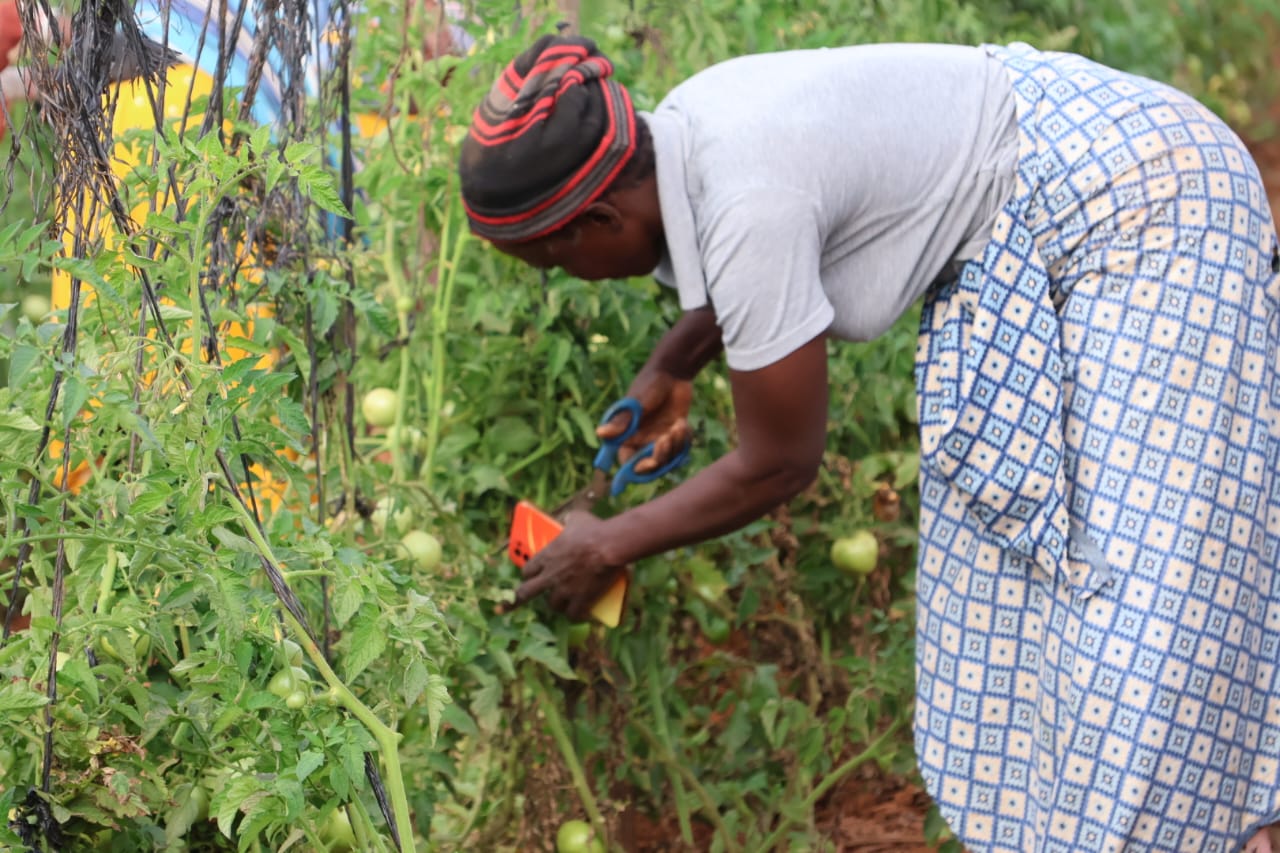
Theseus Mauruki Shambare in Mhondoro-Ngezi
MORE than 1 000 smallholder farmers in Mhondoro-Ngezi District have benefited from a digital agriculture programme being rolled out under the Digital Villages Initiative (DVI), spearheaded by the Food and Agriculture Organization of the United Nations (FAO) in partnership with Government, in a drive aimed at modernising rural farming, narrowing the digital divide and improving market access for communal producers.

The initiative, titled Fostering Digital Villages Through Innovative Advisory and Profitable Market Services in Africa (FDiVi), is part of a broader continental programme designed to transform rural communities into digitally connected agricultural hubs with improved access to advisory services, markets and climate-smart technologies.
The programme is supporting smallholder farmers to shift from traditional production systems towards technology-driven agriculture that enables real-time access to agricultural information, input suppliers, financial services and technical expertise.

Food Security Monitoring and Digital Agriculture Specialist under the FDiVi programme, Mr Dowsen Sango, said farmers should share the knowledge gained under the initiative to ensure wider community benefit.
“The knowledge you got is not yours alone. Let us learn to share. We taught you so that you teach others. We want to see your villages transforming for the better,” he said.
“We do not give you donations; we empower you with knowledge so that you become self-sustaining through your God-given resources,” Mr Sango said.
Mhondoro-Ngezi District Agricultural Business Advisory Officer (ABAO), Ms Nola Marumbwa, said the programme is designed to ensure inclusive participation in the digital transformation of agriculture, regardless of farmers’ education levels or geographic location.
She said the introduction of digital tools and basic digital literacy training is enabling farmers to access agricultural information more efficiently, communicate effectively and connect with markets and service providers.
“The use of digital gadgets is a way of reducing the digital divide amongst our communal communities and smallholder farmers. FAO has introduced smart agriculture systems and digital tools so that farmers can produce using current technologies and skills,” Ms Marumbwa said.
Farmers are being trained to use mobile phones and digital platforms such as Facebook, email and WhatsApp groups to share knowledge, market their produce and access technical guidance.
“Farmers are now being equipped to open Facebook pages, create email accounts and join WhatsApp groups. Through these platforms, they are able to network with other producers, agro-companies and service providers, including those offering technical support such as drone services and climate-smart agriculture solutions,” she said.
Ms Marumbwa added that the programme is also exposing farmers to emerging technologies, including artificial intelligence tools, which assist in diagnosing crop challenges and improving production decisions.
Beyond digital literacy, the initiative is promoting organised group farming models aimed at improving efficiency, reducing costs and enhancing profitability among smallholder farmers.
In Ward 15, Village 8, a group of seven horticulture farmers is already benefiting from collective production, she said.
“These farmers are encouraged to work in groups so they can buy inputs in bulk at lower prices, reduce transport costs, and collectively meet market demand,” Ms Marumbwa said.
She said group production allows farmers to aggregate output, making it easier to access larger markets while cutting logistical costs through shared transport arrangements.
“This model ensures that farmers can approach markets as a unit, meet required volumes, and reduce costs associated with individual marketing and transportation,” she said.
Ms Marumbwa said the approach aligns with Government’s village business unit model, which encourages farmers to treat agriculture as a commercial enterprise rather than subsistence production.
“We are encouraging farmers to treat farming as a business. Every production cycle should be planned with clear cost calculations, including inputs, labour, transport and expected returns,” she said.
She said farmers are also being trained to keep basic production and market records to support better decision-making and profitability.
The programme has also introduced “digital champions” drawn from agro-tech partners and lead farmers to support peer-to-peer learning and ensure knowledge is continuously shared within communities.
Officials said the initiative forms part of broader efforts to modernise agriculture, strengthen resilience to climate change and improve rural livelihoods through technology-driven innovation.
Mhondoro-Ngezi is increasingly emerging as one of the districts where smallholder farmers are integrating digital tools, collective production models and business-oriented approaches into agricultural practice.