Online Reporter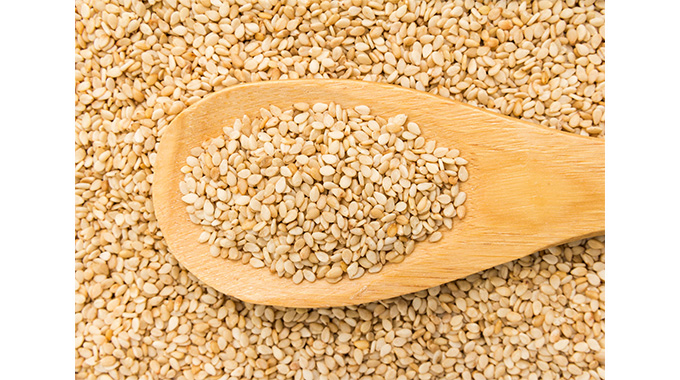
Agriculture Reporter
FARMERS have earned over US$1 million from sesame sales as marketing of this season’s harvest gathers steam, with the Agricultural Marketing Authority enforcing orderly marketing of the crop by penalising smugglers.
The AMA market update report dated June 12 disclosed that farmers had sold 1,4 million kilogrammes of sesame valued at US$1,2 million.“Merchants are offering producer prices ranging between US$0,60 per kg and US$1 per kg,” AMA said.
AMA introduced the Agricultural Marketing Authority (Regulatory Circular on the Sesame Production and Marketing Modalities) Regulatory Circular Number 1 of 2025, which covers all registered sesame contractors, traders, processors and growers.
“Every sesame contractor shall be mandated to enter into a Memorandum of Agreement (MoA) with AMA at the beginning of each season, which MoA will outline the contractor’s responsibilities to the Authority.
“Every contractor shall be mandated to use the authority’s central registration system for the onboarding of its farmers,” reads the notice.
According to the notice, every contractor shall ensure they have a valid contract signed between themselves and the farmer, highlighting the contracted hectarage and distributed inputs and should be submitted to the authority on or before December 31, 2025.
The authority will impose fines and penalties on those who distribute inputs without a valid contractor with the farmer and authority, fail to use AMA’s central registration system for onboarding farmers and fail to produce a valid MoA.
Late last year, AMA held an indaba with all stakeholders aimed at building a structured, transparent and sustainable sesame industry that uplifts farmers, attracts investment and positions Zimbabwe as a competitive global player.
“Anti-smuggling mechanisms are being implemented as a top priority, in partnership with the Zimbabwe Republic Police and Rural District Councils (RDCs),” said AMA.
ANH bought the largest consignment of 230 000kg worth US$184 000, followed by SES Afrika at 220 668kg valued at US$176 534.
And Africa came third after purchasing 215 000kg and injecting US$172 000 to farmers.
Other merchants have not yet bought anything to date.
The authority has issued seven tickets to individuals for smuggling 26 096 kg of sesame valued at US$18 630,80.
Mbire and Chiredzi regions reported three separate incidents, while Checheche had one.
The report showed various quantities of the grain have been confiscated by authorities, including 1 692kg of black sesame valued at US$1 185 as well as 9 166kg worth US$7 332,80 and 3 233kg worth US$2 910 were confiscated in the Mbire region.
“A total of 4 800 kg, 2 500kg and 1 105kg of white sesame, selling at an average price of US$0,60 per kg, was seized in Chiredzi.
“White sesame weighing 3 600kg and valued at US$2 160 was also intercepted in Checheche,” said AMA.
Sesame farming grew 264 percent from 17 110 hectares in the 2018/19 season to 62 259 in the 2024/25 season.
Statistics from the Zimbabwe National Statistics Agency show that the country’s sesame export earnings to US$3,8 million last year from a mere US$85 443 in 2019.
The International Trade Centre managed Trade Map online database also substantiated this when it revealed that Zimbabwe exported sesame worth US$3 556 000 to Mozambique last year.
The country also earned US$160 000 and US$120 000 from sesame exports to South Africa and Zambia, respectively.
Globally, demand for sesame is rising, driven by health-conscious consumers, the cosmetic industry and a growing appetite for plant-based oils and protein.
According to reports, Africa already supplies over 60 percent of the world’s sesame exports, with Zimbabwe contributing a fraction of that.
Last year, Zimbabwe hosted a high-level Danish business delegation to explore investment opportunities in food systems, agriculture and clean energy sectors with local players.
Country director of a local non-governmental organisation, DanChurchAid, Mr Mads Schack Lindegaard, said Zimbabwe could earn more from the export of value-added organic sesame.
He said Denmark was a ready market for the niche organic sesame produced by Zimbabwe and encouraged value addition of the crop to get more value, create more employment opportunities for locals and increase foreign currency earnings.