

 admin
adminSome chiefs in the Midlands said they were concerned that the challenges in accessing fertiliser could affect most villagers’ harvests and compromise household food security.
In an interview, Chief Malisa of Zhombe said some of the farmers in his area were now using farm manure instead of fertiliser.
He said the manure was not helping much, as it did not provide the required nutrients and could only cover a small portion of the field.
“The situation is now threatening our harvests. As chief of the area, I went to different places like Kwekwe in search of fertiliser, but could not find any. Farmers in my area are now using fertiliser bought from the black market, which costs $39 per 50kg bag,” said Chief Malisa.
Chief Nemangwe, of Gokwe South, said his area was facing a similar challenge of fertiliser shortages.
He said the leadership of his area has since engaged the Government to address the situation.
“We have appealed for assistance from Government and other stakeholders, but we are yet to get a response. I heard that President Mugabe has donated fertiliser to us, but we are yet to receive it. The fertiliser is said to be still in Kwekwe,” said Chief Nemangwe.
He said the farmers in his area were now using compound D, as they tried to cover up for the shortage of ammonium nitrate. Others areas like Zvishavane were said to be facing similar challenges.
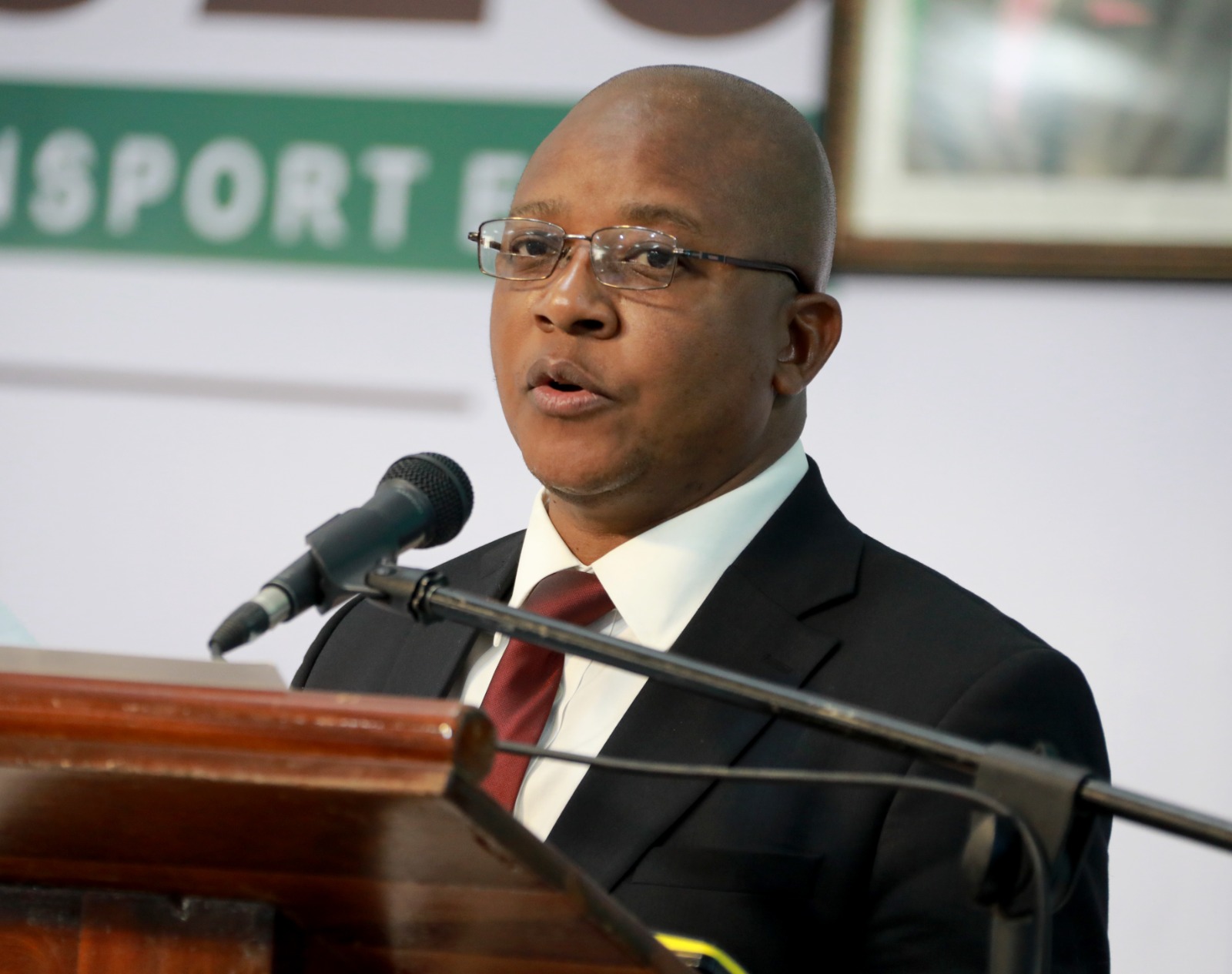
However, Sable Chemical Industries (Ltd) chief executive officer, Mr Jack Murehwa, said his company was producing enough fertiliser for the farmers.
He said the shortage of the commodity in rural areas could be a result of transport challenges and financial constraints on the part of the farmers.
“We cannot say there is a crisis or serious shortage of ammonium nitrate in the country. In cities we have a number of shops that have top-dressing. However, the problem in some parts could be something to do with the distribution of fertiliser in rural areas. There is also a great challenge in sourcing money for the commodity. It is a fact that most people in rural places are failing to buy fertiliser. They want it to be free,” he said.


 Online Reporter
 derick.khumalo