admin
admin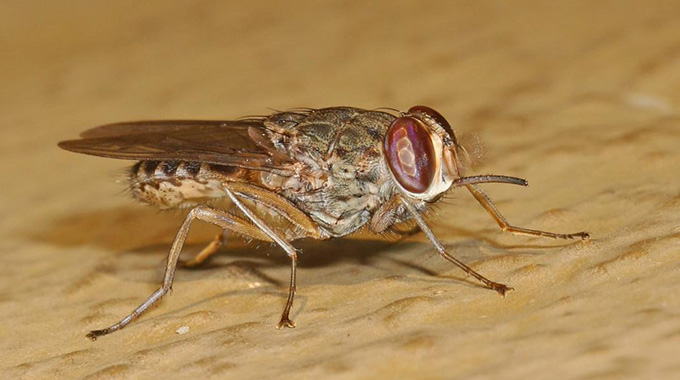
Ivan Zhakata in SIAKOBVU
FARMERS have praised the Government for its programmes to control and eventually eliminate Tsetse flies in their areas.
The efforts are aimed at boosting livestock rearing in the country.
The intervention came after Tsetse flies had wreaked havoc in Mashonaland West province, forcing people to keep less cattle as they were dying of Tsetse.
Farmers in Siakobvu expressed gratitude over the initiative, saying it had gone a long way in helping them boost their herds.
Mrs Josephine Chidhakwa from Kasvisva area in Ward 8, said she was happy with the Government’s programmes in trying to eliminate Tsetse flies in her area.
“We had a huge challenge of Tsetse flies in this area,” she said. “They gave us no peace, especially with regards to our livestock. We have lost a lot of cattle to Tsetse flies. When the Government came up with the programme to eliminate Tsetse through putting targets in different areas, we are now able to keep cattle because there are now few Tsetse flies in our area and our cattle can now breed and multiply.”
Mrs Chidhakwa said the cattle dipping exercise had also aided in reducing animal related diseases, resulting in healthy livestock.
“We would like to thank the Government for such an initiative to make sure that there are no Tsetse flies in our area,” she said.
Mrs Winnie Mupukuta praised the Government for reviving dip tanks in the area.
“Our cattle are now safe and we are making sure that they are dipped,” she said. “We still have a challenge with wild animals that are bringing back Tsetse flies in our area as they come to hunt and graze. These Tsetse flies will then attack our livestock, causing deaths.”
Mr Ruka Goko said programmes being spearheaded by the Tsetse Control Division would go a long way in promoting livestock rearing.
“We used to have a lot of Tsetse flies in this area, killing cattle,” he said. “But when the Government started to spray in forests, Tsetse fly populations started to come down and we started to keep more cattle.
“Cattle in this area had a short lifespan, but through the placement of targets in different areas, we no longer see Tsetse flies. We cannot say we have entirely eliminated Tsetse flies, but their population has reduced because we rarely see them.”



 Online Reporter