Sikhulekelani Moyo, [email protected]
FARMERS, small-scale miners and community leaders have called for stronger safeguards for agricultural land, local communities and the environment in the proposed Mines and Minerals Bill, warning that disputes will persist without a functional digital mining cadastre and mandatory farmer consent before prospecting begins.
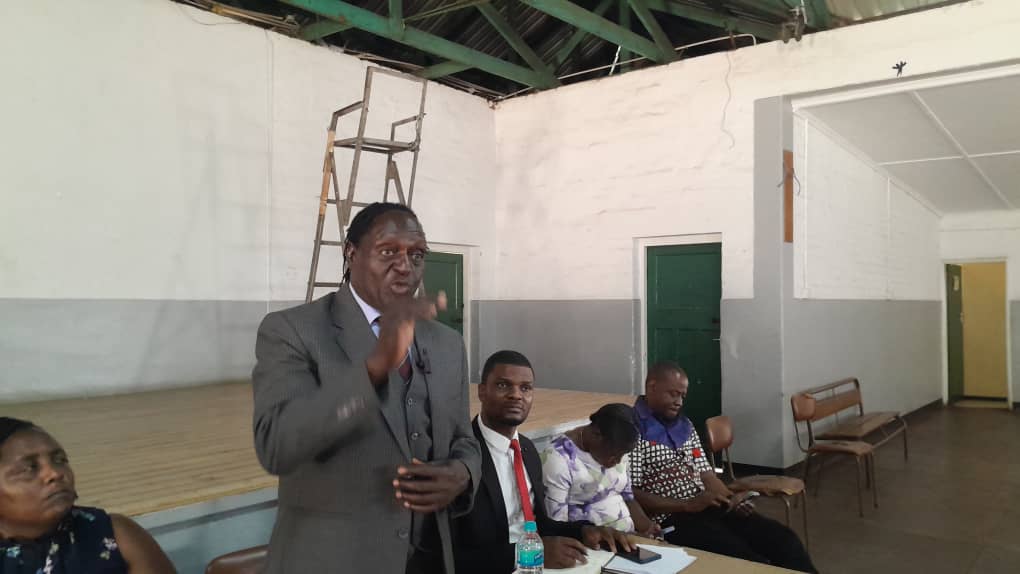
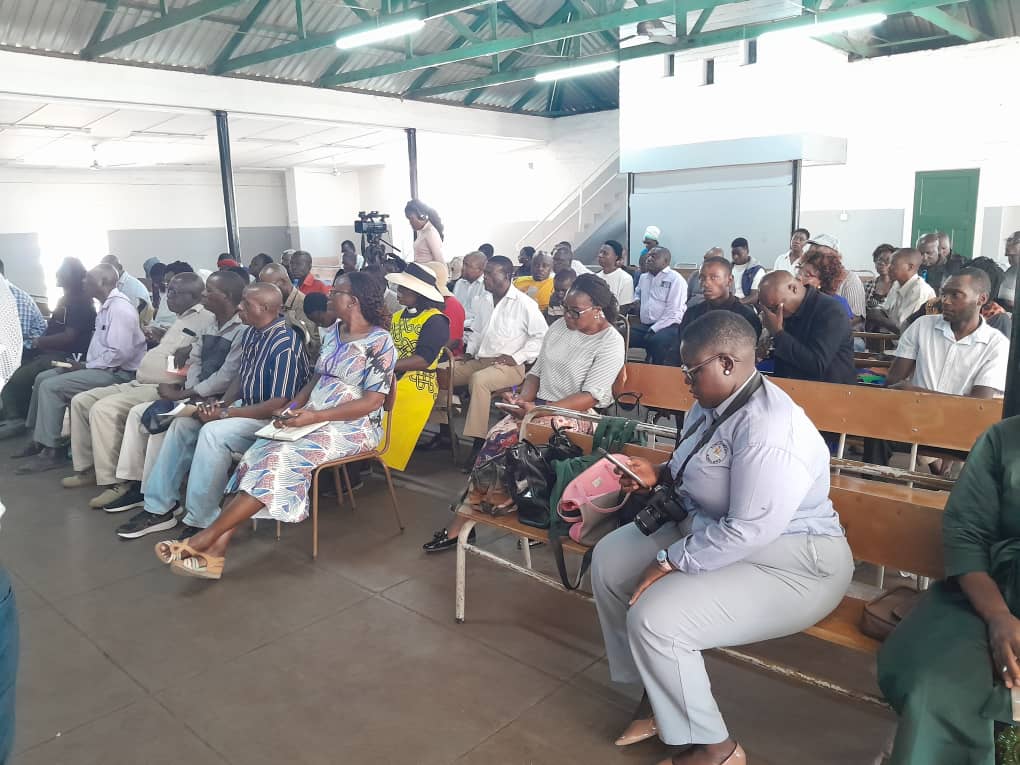
The concerns emerged during public hearings on the Bill in Bulawayo on Tuesday, where stakeholders also called for fair compensation, community benefits from mineral resources and greater protection for artisanal and small-scale miners.
The Parliamentary Portfolio Committee on Mines and Mining Development heard submissions from the Zimbabwe Farmers union (ZFU), Zimbabwe Miners Federation (ZMF), Zimbabwe
Indigenous Miners Association (ZIMA), Umguza Rural District Council, other lobby groups and individual miners and farmers.
The Bill seeks to repeal the colonial-era Mines and Minerals Act and provide for the indigenisation and localisation of mining at primary level, in line with Section 13(4) of the Constitution, which requires communities to benefit from resources in their areas.
In his submission, Zanu-PF Bulawayo provincial deputy secretary for mines Cde Khumbulani Mpofu said the proposed Mining Industry Environmental Protection Fund should be prioritised before mining operations commence.
“Miners have degraded the environment, whether small or large; they have never taken time, resources and commitment to restore the environment they are degrading,” said Cde Mpofu.
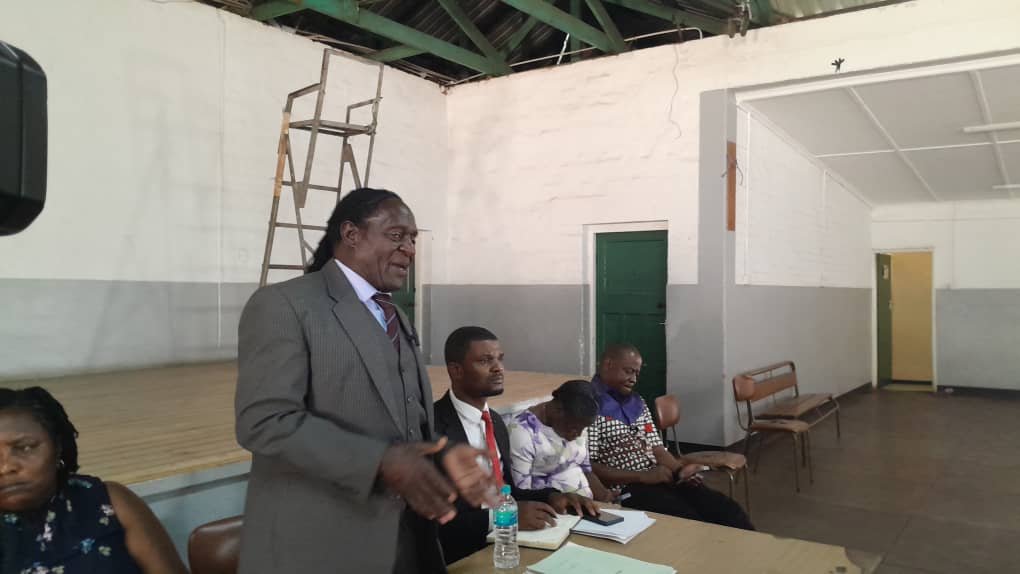
He proposed that the Ministry of Finance manage the fund, arguing that Rural District Councils were overwhelmed by the effects of mining activities on farming communities and infrastructure, including railway lines.
Umguza Ward 1 councillor Mr Charles Kamusoko said the Bill should make the Ministry of Mines and Mining Development more accessible to communities to facilitate the speedy resolution of disputes before they escalate into violent confrontations.
“We want the Bill to also benefit the community. Let the Bill speak to give back to the community.
Investors or miners come to communities, extract minerals and leave the community grappling with degradation,” he said.
Mr Kamusoko also criticised miners who arrive in communities with completed paperwork and commence operations without consulting local leadership.
ZFU Umguza District chairman Dr Vision Sithole said the proposed 100-hectare ceiling for agricultural land protected from prospecting was inadequate, noting that A2 farmers held properties exceeding 200 hectares.
He argued that protection should extend to the entire area under active agricultural production and be granted automatically upon confirmation by Agricultural and Rural Development Advisory Services (ARDAS), rather than requiring registration with the Ministry of Mines and Mining Development.
The farmers’ union also opposed provisions under Clauses 37 to 39 that allow prospecting on land exceeding 100 hectares after consultation and penalise farmers who refuse prospecting by barring them from acquiring mining rights for 10 years.
“That is in direct violation of property rights and favours the miner against the farmer,” said Dr Sithole.
ZFU called for written farmer consent before prospecting, a farmer’s first right of refusal on equity participation and a 10 percent free-carried community shareholding.
The organisation also proposed surface rentals calculated per hectare, a mandatory compensation framework covering market value, infrastructure, five years of lost income and rehabilitation costs, as well as the removal of the Minister’s powers to suspend compensation.
Zimbabwe Miners Federation representative Mr Liberty Mlambo welcomed the Bill, describing it as long overdue and noting that small-scale miners now account for more gold production than their large-scale counterparts.
However, he strongly opposed Section 20, which provides for the suspension of the Mining Cadastral Registry, arguing that the absence of a functional digital system would perpetuate disputes over mining boundaries and titles.
He said the Treasury had funded the registry for 10 years without its completion.
“Without a digital registry, boundary and title disputes will continue. I suggest the law should not start until the registry is working,” said Mr Mlambo.
He also called for artisanal miners, estimated at more than one million, to be formally defined and provided with a clear pathway to transition into small-scale mining instead of being criminalised.
Mr Mlambo further argued that the proposed definition of a small-scale miner, capped at 40 hectares and 50 employees, was too restrictive and should be expanded to 200 hectares, with provision for seasonal workers.
Among ZMF’s other proposals were that at least three of the six appointed Mining Affairs Board members should be practising small-scale miners, Parliament should approve the designation of new strategic minerals, and the Ministries of Lands and Mines should establish a joint database.
The federation also called for compensation to be paid within 90 days and for simplified environmental compliance requirements, supported by grants and training for small-scale miners.
ZIMA president Ms Silingiwe Masuku called for standardisation of local authority tariffs in line with Ministry charges, arguing that excessive council fees were pushing miners into default.
She supported exclusive prospecting licences under Clause 5 but said local communities must be consulted before such licences were issued.
Ms Masuku also proposed the establishment of dedicated youth and women’s mining desks within the Ministry, saying these groups were facing victimisation in the sector.
Mines and Mining Development Portfolio Committee chairperson Remigio Matangira said the proposed legislation would compel miners to contribute towards environmental rehabilitation while ensuring that mining revenue supported infrastructure development and local communities.
“Mining is never done in town, but the people who participate in mining are from towns. This Bill is saying development to Zimbabwe,” he said.
He said beneficiation, through processing minerals such as lithium and coal locally instead of exporting raw ore, would create employment opportunities and increase Government revenue through taxation.
“We have got claims of gold; we have got claims of lithium. That is how the general population is going to benefit,” said Mr Matangira.
The public hearings are continuing in other provinces, with stakeholders required to submit written contributions before November 22, 2026.