Online Reporter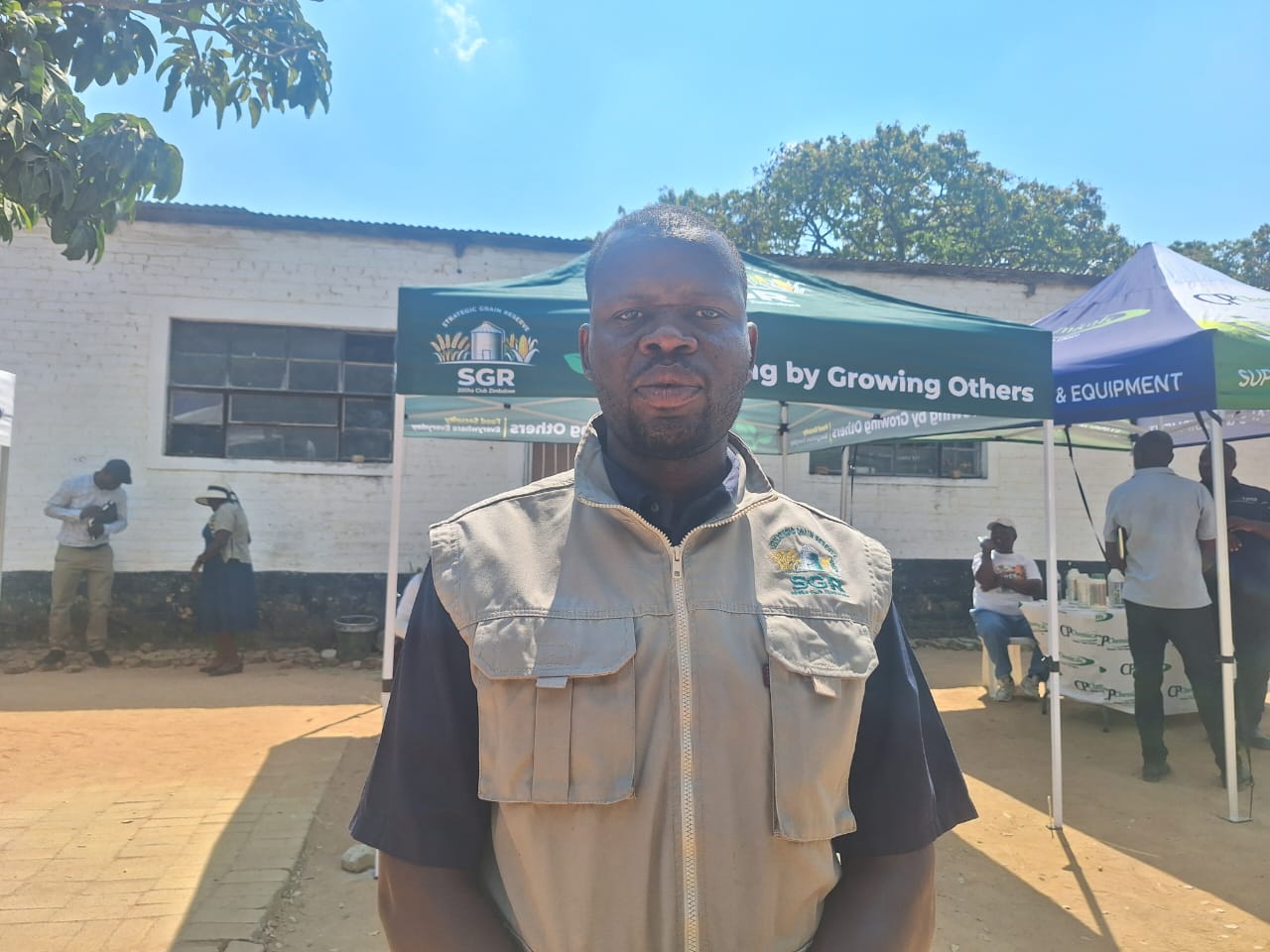
Theseus Shambare
FARMERS have been urged to align their crop choices, planting times and production practices with prevailing rainfall and agro-ecological conditions as Zimbabwe prepares for the 2026/27 summer agricultural season.
The call comes as farmers are encouraged to move away from relying solely on historical rainfall patterns and instead use climate information to manage production risks.
Speaking during a provincial early strategic planning meeting for the 2026/27 summer season in Marondera yesterday, SGR 200ha+ Club Zimbabwe chairman Tichaona Mapfoche said changing rainfall patterns required farmers to adjust how they planned and managed their operations.
“Climate variability means we can no longer farm entirely according to historical rainfall patterns. We must farm according to the conditions we face,” Mapfoche said.
He said farmers should select appropriate crops, plant at the right time and adopt agronomic and moisture-management practices suited to their areas.
“That means: right crop, right place, right time, right agronomy, right moisture-management practices,” he said.
Mapfoche urged farmers to prioritise timely land preparation, moisture conservation, soil health, conservation agriculture and irrigation while making efficient use of available inputs.
He also called for greater use of agro-ecological information to guide crop selection and production planning.
“Every drop of water matters,” he said.
Mashonaland East Provincial Affairs and Devolution Minister Advocate Itayi Ndudzo said the rainfall outlook should not be a reason for farmers to abandon production, but should instead inform how they prepare for the season.
He urged agricultural officials and farmers to use scientific information to develop practical production plans.
“When the Meteorological Department says this season things are going to be difficult, we must be prepared to still produce, sustain livelihoods and keep the jobs that revolve around agriculture,” Ndudzo said.
He said farmers should intensify climate-smart production and optimise available land and water resources where rainfall was limited.
Ndudzo also highlighted Pfumvudza/Intwasa and irrigation as important components of the response, particularly for farmers seeking to maximise yields from smaller areas.
“Under accelerated climate-smart production, if rainfall is limited, we must intensify and optimise the land and available water resources so that we can still achieve good yields,” he said.
Mapfoche said the private farming sector could complement Government extension services by sharing practical knowledge among farmers through mentorship, demonstration plots and field days.
He urged farmers to prepare early, conserve water, use appropriate technologies, strengthen irrigation, keep records, follow early-warning information and mentor one another.
The push for climate-informed farming comes as Zimbabwe prepares for the 2026/27 summer season, with farmers being encouraged to combine early preparation with appropriate production technologies to safeguard food security and livelihoods.