Online Reporter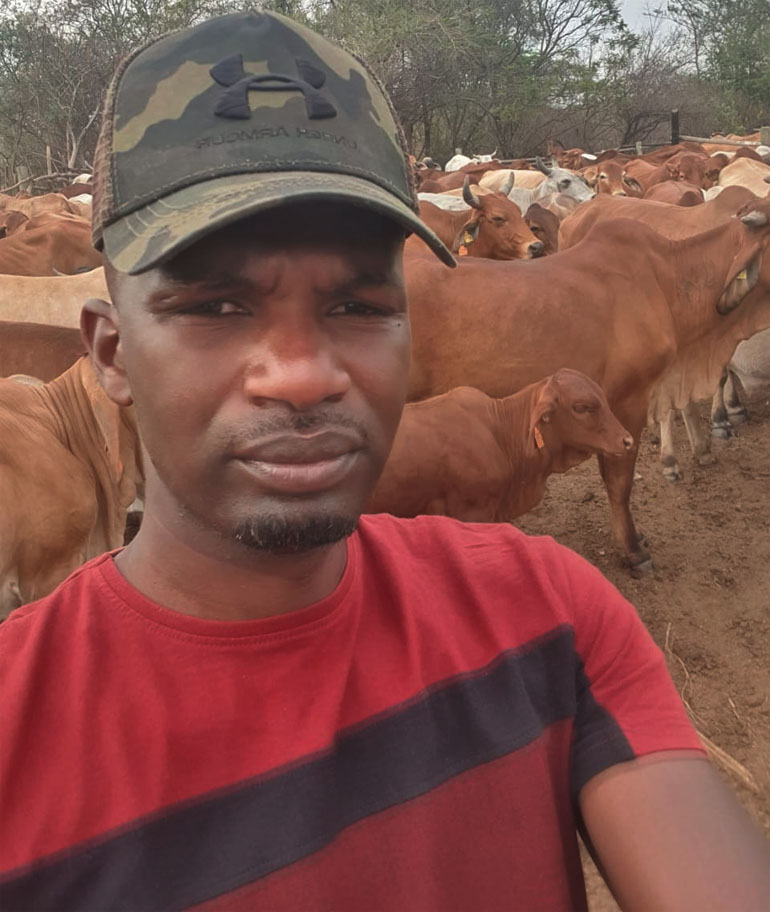
Lovemore Kadzura
Post Reporter
LIVESTOCK farmers have been urged to begin preparing for the anticipated 2026/27 El Niño season by building adequate feed reserves, harvesting and conserving grass, and strengthening water and animal health management systems to shield their herds from drought-related losses.
The Ministry of Agriculture, Mechanisation and Water Resources Management has warned that the forecasted hotter and drier conditions can significantly reduce pasture availability, water supplies and livestock productivity if farmers fail to prepare in advance.
Zimbabwe Herd Book Council member and livestock farmer, Mr Crispen Kadiramwando, encouraged farmers to take advantage of the abundant pasture produced during the 2025/26 season by harvesting and preserving grass before its nutritional value declines.
He said farmers should cut, bale and properly store hay while also conserving crop residues such as maize stover and wheat straw for use when grazing becomes scarce.
“Farmers should produce hay bales because they are both nutritious and essential during drought periods. To survive the anticipated dry spell, farmers must stock sufficient feed reserves to last at least two years. Planning for only one year may leave farmers exposed if drought conditions persist longer than expected.
“Molasses should also be stored as it is a valuable energy source. Salt blocks and stover can be preserved for long periods and should form part of feed reserves. We are seeing some farmers burning fields to prepare land for cropping, which is not advisable. Instead, they should harvest and store the available biomass for livestock feed.
“The drought is likely to affect the entire country. Farmers who rush to sell livestock during the dry spell may struggle to find buyers willing to offer fair prices. The best strategy is to maintain herds in good health and condition,” he said.
Mr Kadiramwando said farmers should also maximise the use of fodder crops and crop by-products.
“Lucerne and star grass should be baled and stored. Farmers growing winter wheat should preserve the stalks for livestock feed. The era of burning or discarding wheat stalks should be a thing of the past.
“Currently, cattle prices remain favourable, with communal cattle fetching as much as US$600. Farmers who take good care of their livestock during difficult periods stand to realise good returns when El Niño conditions intensify.
“For small livestock such as goats, hot weather can be favourable for production. Farmers should invest in small livestock and maintain numbers that can be adequately managed under harsh climatic conditions,” he said.
Another livestock farmer, Mr Tonderai Magaya, said farmers need significant financial resources to secure supplementary feed, whose prices have already increased.
“Breeds such as Brahman, Boran and Beefmaster are heavy feeders and their body condition is likely to deteriorate under the predicted harsh conditions. The only solution is to stock adequate feed now while pasture is still available.
“Economically, the viability of livestock enterprises will be affected because supplements are becoming increasingly expensive. Hay bales from high-value grasses have risen from between US$2.50 and US$2.80 to around US$4 each. From September onwards, the demand for supplementary feeding increases as natural grazing continues to dry out,” he said.
Mr Magaya said farmers should ensure they have adequate liquidity to support supplementary feeding programmes.
“Farmers can also bale veld grass to help sustain livestock. It may not provide optimum nutrition, but it serves an important purpose during feed shortages.
“Some farmers may opt to destock and retain manageable herd sizes. However, if many farmers follow this route simultaneously, livestock prices could fall below market value, resulting in financial losses.”
Beyond feed security, Mr Magaya said farmers should prioritise reliable water supplies by repairing damaged troughs, deepening wells and drilling boreholes where possible.
He added that communities could establish shared watering points to reduce the distances livestock travel in search of water.
The Government recently launched a Livestock Feed and Fodder Dashboard to improve planning and enhance access to information on feed resources as the country prepares for possible climate-related shocks.