admin
admin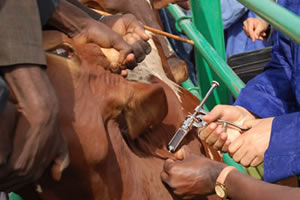
Veterinary field services deputy director Dr Chenjerai Njagu said major diseases that affected livestock during this period of the year were vector-borne.
“Tick-borne diseases such as anaplasmosis, babesiosis, theileriosis and heartwater are the biggest worry, as well as other tick-related diseases like senkobo, sweating sickness and tick paralysis,” he said.
Dr Njagu said internal parasites were also a challenge to livestock during the rainy season as it is the period when they breed. He said animals that were not de-wormed properly failed to realise their full potential in weight gain from the abundant grazing available.
“Cattle should be de-wormed at least three times per year, that is, just before the onset of the rains in October and November, in the middle of the rainy season in January and February and at the end of the rains in April and May,” he said.
Dr Njagu said at least 1 642 cattle died between October and March last year, adding that the figure was however an understatement as most deaths were not reported.
He warned farmers against feeding their animals on wilting or dry young maize plants following application of nitrate fertilisers as they might die from nitrate poisoning.
Farmers should dip their livestock on a weekly basis since there was an increase in ticks when it was raining compared to other seasons, he said. — New Ziana.



 Online Reporter