Online Reporter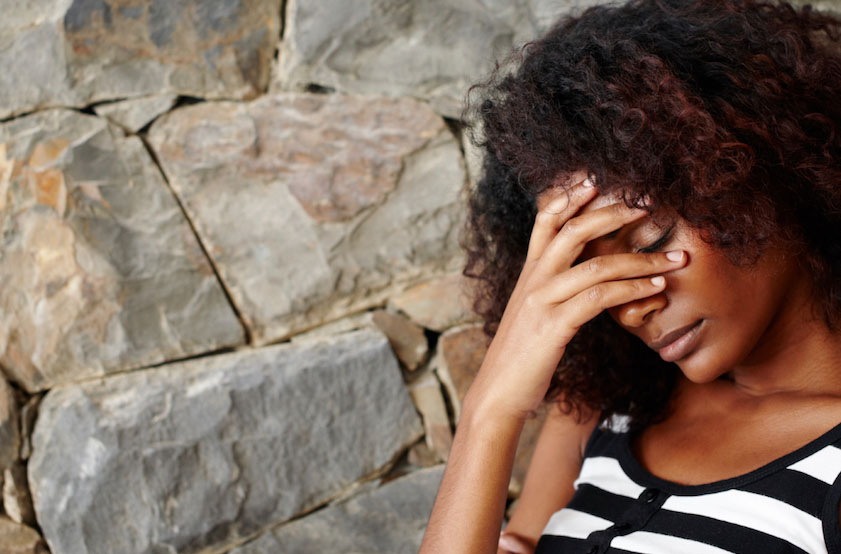
Felie Mak
Fit For Life
WE all carry patterns, behaviours that shape how we live, connect and cope.
Some habits inspire growth, discipline, and self-discovery.
Others quietly chip away at our wellbeing.
They masquerade as comfort but leave us hollow.
An addiction is not just substance-related. It is any compulsive behaviour that persists despite knowing the damage it causes.
It can range from the obvious such as alcohol, smoking, and drug use to the more silent and often overlooked forms like social media overuse, emotional eating, compulsive shopping, and even pica.
What separates the helpful from the harmful
Not all addictions are equal. Some are disguised as dedication working tirelessly, reading relentlessly, or pursuing personal improvement but they still need balance.
Others are clearly destructive from the outset, leaving physical or emotional scars.
What defines an addiction as harmful is not just its frequency, but its consequence.
A helpful habit builds resilience, discipline, and peace.
A harmful addiction erodes self-esteem, damages relationships, and makes us strangers to ourselves.
The real question is whether the habit serves your wellbeing or sabotages it.
Pica: The hidden compulsion
One lesser-known but alarmingly common addiction, especially among women, is pica —the compulsive consumption of non-nutritive substances. This includes eating soil, clay, chalk, cardboard and ice.
Often linked to iron deficiency, cultural and spiritual beliefs, stress, or psychological conditions, pica is more than an unusual craving.
It can result in serious health risks, including digestive issues, poisoning, and infections.
Many suffer silently, fearing stigma or shame.
Bringing attention to pica means validating lived experiences that have long gone unspoken and calling for compassion rather than condemnation.
The pain of doing what hurts
There is a unique torment in engaging in a habit you know is harmful. Lighting a cigarette knowing your lungs are crying. Eating past fullness, knowing it will not soothe the ache inside.
You watch yourself repeat the pattern aware, ashamed, afraid to stop. It is not because you do not care. It is because the habit has become a shield, a comfort, a crutch.
When addictions break relationships
Addictions are not isolated. They bleed into every corner of your life. They strain trust, weaken communication, and drive wedges between people.
A partner may feel neglected, betrayed, or helpless. A friend may drift away. A sibling may give up trying to help.
The habit does not just control your choices, it slowly dismantles your support system.
Healing requires not only breaking the addiction but repairing what it damaged.
How to begin again
There is no single solution. But there is a path. It begins with honesty and is carried forward by effort.
Admit the reality to yourself
Say the words clearly: “This is an addiction. It is harming me.” Naming it takes away its secrecy.
Speak it aloud to someone trustworthy
Secrets grow stronger in silence. Sharing lessens their power and invites support.
Start small: reduce the frequency
If quitting outright feels too daunting, begin by cutting back. Success comes in increments.
Replace the habit with a new one
Walk instead of smoke. Write instead of binge. Choose action over avoidance.
Create a system of support
Whether it is professional help, community groups, digital tools or spiritual practices build your defence.
Give it time, and extend grace to yourself
There will be setbacks. Let them be chapters, not conclusions.
Final thoughts: Your story deserves a stronger ending
You are not alone in this struggle. Millions live the same story, written in different words but filled with the same pain. What matters most is not how it began — but the ending you choose to write.
The habit does not define you. The fight does.
The courage to confront it.
The quiet decision made again and again to rise even with shaking hands.
To choose healing over harm.
To reclaim your peace.
And to feel whole again.
For more healthy lifestyle tips, follow @fitbyfeliemak on Instagram, Facebook, and TikTok!