Online Reporter
Blessings Chidakwa in GWERU
CULTURE and Heritage Ambassador, First Lady Dr Auxillia Mnangagwa, has commended traditional leaders for their pivotal role in transforming communities and protecting vulnerable children through the “Not in My Village” campaign, saying the initiative is already yielding positive results across the country.
This emerged yesterday during the 2026 High-Level “Not in My Village” Chiefs’ Review Indaba in Gweru, which brought together Chiefs, senior Government officials and development partners to review progress made under the campaign.
The campaign was launched in 2024 to raise awareness across the country on the dangers of child marriage and teenage pregnancy, while mobilising communities to safeguard children’s rights and ensure that every child has access to education and opportunities for a better future.
Chiefs from across the country shared the significant progress they have made in their communities.
The indaba also explored ways of strengthening community-based interventions aimed at protecting children and promoting sustainable development.
Energetic and highly-talented group IYASA also performed a captivating play that captured the essence of the “Not in My Village” campaign.
The First Lady also presented a consignment of food hampers to all the chiefs in attendance, encouraging them to share with their families. This reinforced the country’s tradition of love and mutual sharing.
Speaking during the indaba, the First Lady said the campaign had strengthened community awareness, promoted collaboration and renewed efforts to safeguard adolescent girls and young women from harmful practices.
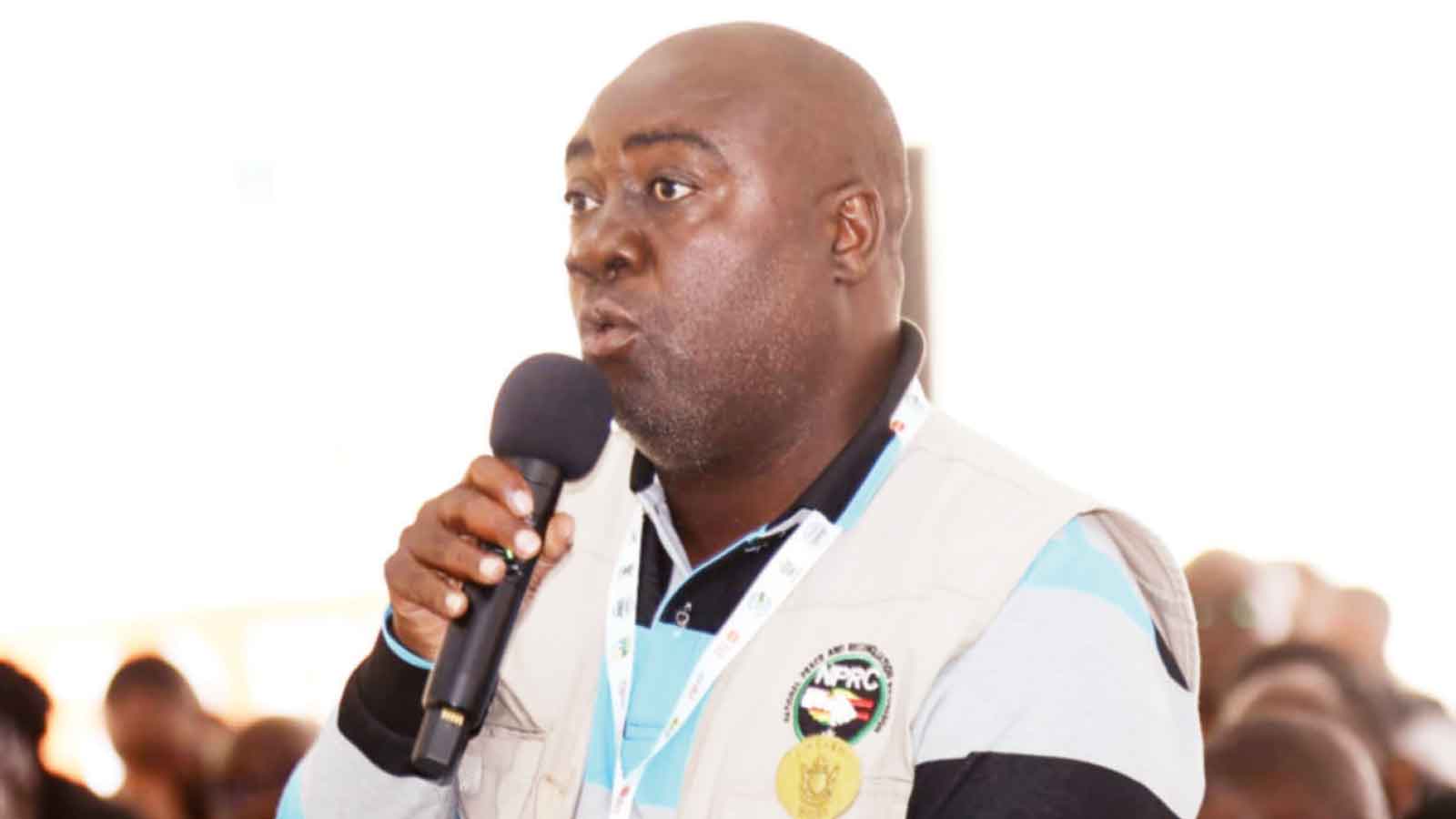
Dr Mnangagwa expressed delight at the growing impact of the campaign, which she said complements programmes she has championed through the Organisation of African First Ladies for Development (OAFLAD) and the Angel of Hope Foundation.
“I am proud to note that in many participating communities, we have already seen encouraging signs of change. Chiefs have taken bold steps to enforce community and cultural norms, positive traditions and the utilisation of health services among their communities.”
“I am encouraged by the impact already visible across our communities. We have seen greater awareness, stronger collaboration and renewed determination to protect vulnerable girls, young women and boys, and empower the voiceless,” she said.
Dr Mnangagwa said adolescent girls and young women are prone to face challenges such as school dropouts, early pregnancies and child marriages, adding that communities are increasingly embracing solutions that protect and empower young people.
The First Lady said the campaign was founded on the belief that every child deserves an opportunity to grow up in a safe environment free from exploitation and equipped to contribute meaningfully to national development.
“The ‘Not in My Village’ campaign was therefore born out of a simple yet powerful conviction that every village, every home and every child deserves to live free from harm, exploitation and fear, and should enjoy full health and economic opportunities to meaningfully live and participate in national building,” she said.
The Culture and Heritage Ambassador also applauded Chiefs for taking bold steps to uphold positive cultural values, promote health-seeking behaviour and support efforts aimed at ending child marriages and teenage pregnancies.
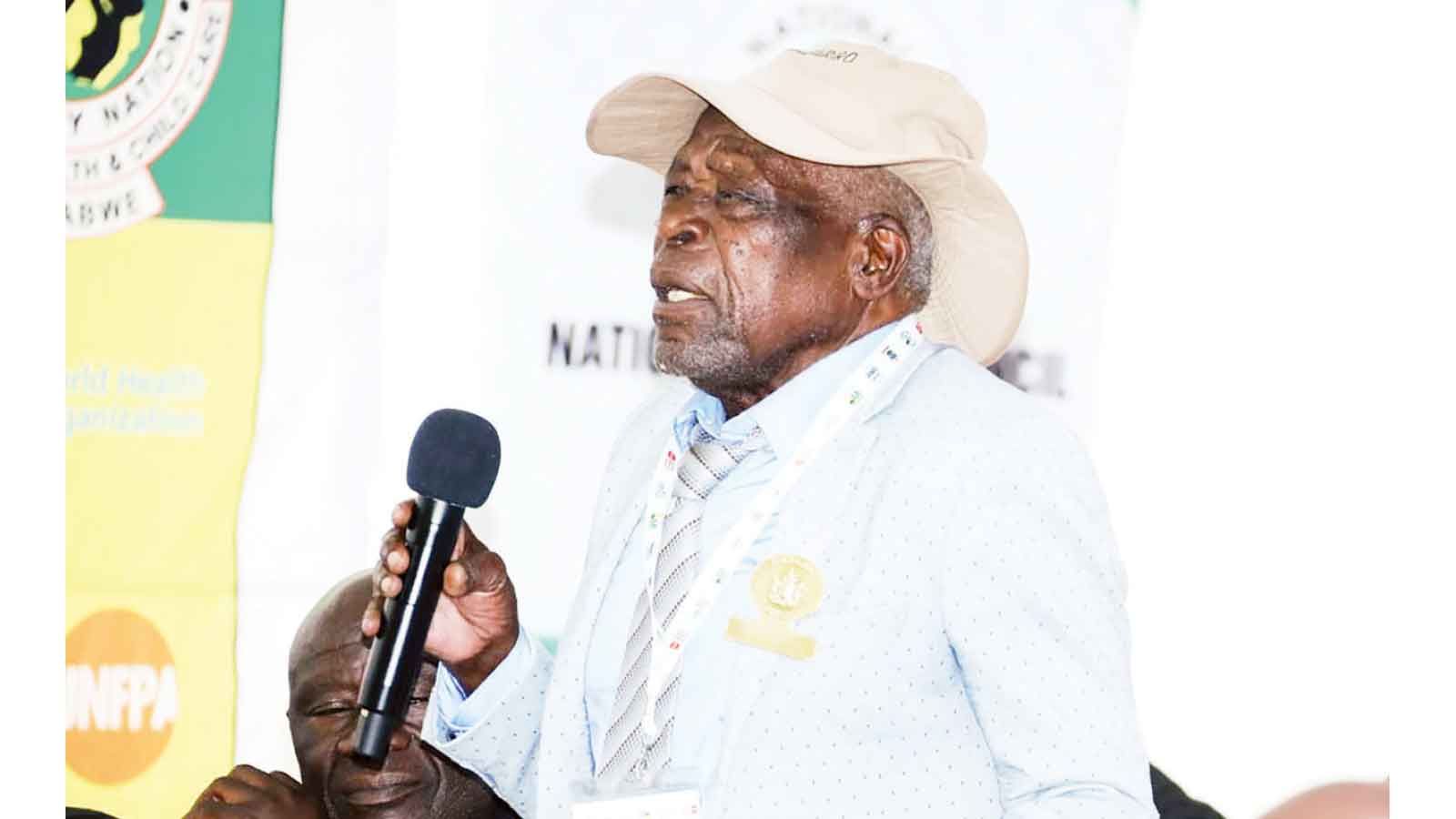
Dr Mnangagwa said encouraging reports from various districts demonstrated that communities were moving in the right direction, with more girls remaining in school and more young people accessing critical health and support services.
“When the campaign was launched, we declared that harmful practices such as child marriages and teenage pregnancies would no longer be tolerated in our villages.
“Today, many communities are demonstrating that positive change is possible when everyone works together,” she said.
Dr Mnangagwa said protecting children and preserving their dreams is a shared responsibility that requires continued commitment from families, Traditional Leaders, Government institutions and development partners.
“As we celebrate the achievements the ‘Not in My Village’ campaign has engendered, we must also confront the bottlenecks that remain. While culture is the backbone of our identity, we must distinguish between customs that uplift and those that harm. Chiefs and Traditional Leaders have a critical role in reshaping norms to protect children,” she said.
The Mother of the Nation described every girl who remains in school as a victory for the nation, saying education remains one of the strongest tools for empowerment and protection.
Dr Mnangagwa also welcomed ongoing efforts by the Ministry of Health and Child Care, the National AIDS Council and development partners through programmes such as Modified DREAMS and Sister2Sister, which continue to support adolescent girls and young women.
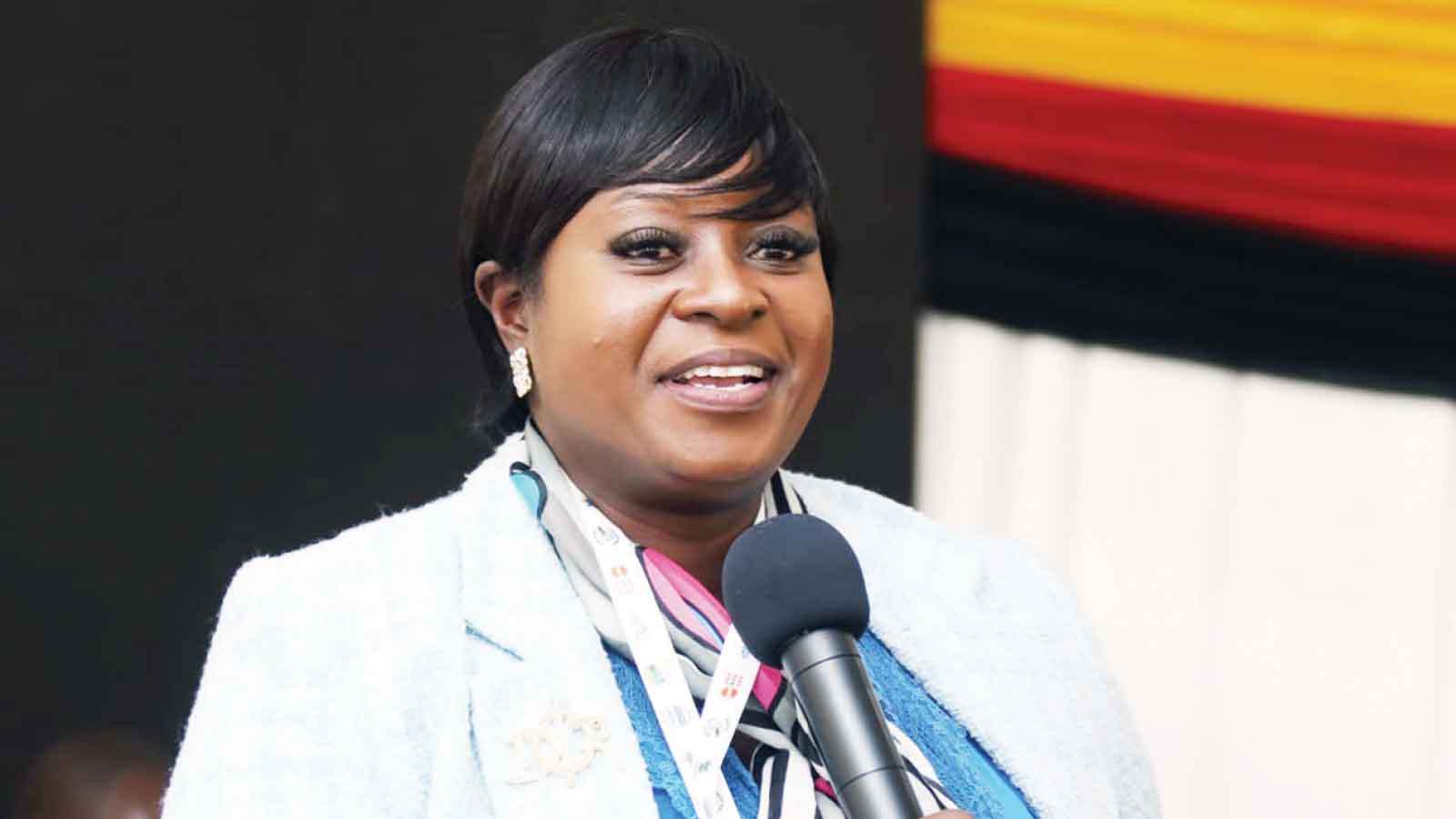
The First Lady encouraged stakeholders to further strengthen partnerships and integrate the “Not in My Village” campaign with initiatives in education, health and community development to maximise impact.
Dr Mnangagwa also highlighted the importance of youth-friendly health services, mentorship programmes and community outreach initiatives in helping young people make informed decisions and realise their full potential.
“Zimbabwe’s strength lies in its people. When our villages are safe, our families will be stronger and our children will be protected, creating a solid bedrock for our nation to flourish,” she said.
“This gathering underlines our shared commitment to the future of communities through safeguarding the dignity, safety, health and progress of our adolescent girls and young women as we transition towards an upper middle-income society by 2030 as enshrined in NDS 2.”
Dr Mnangagwa engaged in a highly interactive session with the Chiefs, humbly inquiring how certain cases are handled within their jurisdictions, including cases involving “chimanda” (broken virginity) when minors impregnate each other.
Responding, Chief Chipuriro said that whenever a girl under the age of 18 falls pregnant, Traditional Leaders prioritise ensuring that she returns to school.
He said both sets of parents are summoned to the traditional court, where the boy’s family is required to formally commit to paying traditional compensation in form of two cattle for the loss of the girl’s virginity.
The arrangements are documented, and efforts are made to ensure that the girl resumes her studies.
Chief Chipuriro said cases involving criminal offences are referred to the Magistrates’ Courts for legal action, while Traditional Leaders continue to handle customary matters within their jurisdiction.
Drawing a parallel with murder cases, Chief Chipuriro said some matters have both criminal and customary dimensions, allowing Traditional Leaders and the formal justice system to address different aspects of the same case within their respective mandates.
He called for continued cooperation between Chiefs, magistrates and law enforcement agencies to strengthen child protection and ensure justice is served.
Chief Ngungumbane, who was representing the president of the Chiefs’ Council, Chief Mtshane Khumalo, also afforded Chiefs from all five provinces an opportunity to share their experiences.
Chief Ngungumbane said child marriage cases fall under the courts’ jurisdiction, but culturally, anyone under the age of 18 is still a child and deserves the full protection and care of their parents.
He said where a girl falls pregnant, even after attaining the age of 18, the responsible man must take full responsibility for the child and provide adequate maintenance and care.
Chief Ngungumbane also took a swipe at some parents who seek compensation or child support after marrying off their daughters, a practice he strongly condemned. He said children should not be treated as commodities and that their rights must always be safeguarded.
Chief Ngungumbane also urged Chiefs to foster strong working relationships with law enforcement agencies to ensure cases are handled effectively and in accordance with the law.
He also afforded Chiefs from the country’s five provinces an opportunity to share experiences from their respective areas in the fight against child marriages and teenage pregnancies, highlighting community-driven interventions, awareness campaigns and strengthened collaboration among stakeholders.
From Mashonaland Central Province, Chief Kasekete said Traditional Leaders and stakeholders conducted awareness campaigns in schools and communities, including Hoya, Utete Primary School and Chiwonde Business Centre, to combat child marriages and teenage pregnancies.
He said the interventions have significantly reduced cases in his area, with community support helping pregnant learners from Chadereka and Muzarabani Secondary School return to school and continue their education.
Chief Chinamhora said Chiefs in Mashonaland East partnered with Government ministries, local authorities, youth representatives and the Zimbabwe Republic Police to roll out awareness programmes on child marriages, teenage pregnancies and gender-based violence in all wards.
He said the campaign is now being driven through schools, churches, community meetings and mining areas, while offenders face both traditional sanctions and criminal prosecution under a zero-tolerance approach.
Chief Chundu said Traditional Leaders in Mashonaland West introduced compensation penalties for parents who facilitate child marriages and families that receive underage brides.
He said affected girls are assisted to return to school, while offenders face traditional court penalties of up to five cattle, as well as criminal prosecution.
Chief Ngungunyana from Manicaland said Chiefs in Chipinge have intensified awareness campaigns to end harmful cultural practices that previously saw young girls pledged into marriage under the guise of fulfilling traditional spiritual obligations.
He said parents who consent to underage marriages are fined five cattle, facilitators face additional penalties and prosecution, and communities are increasingly embracing the need to protect children’s rights and education.
During the interactive session, Chief Ngezi said Traditional Courts often provide accessible and straightforward justice mechanisms, allowing disputes to be resolved quickly at community level.
He said strengthening Traditional Leadership structures would complement the formal justice system and help reinforce community values and accountability. Giving an overview of the programme, National AIDS Council chief executive officer Dr Bernard Madzima said young girls remain vulnerable to HIV infection because they often have limited, if any, negotiating power when it comes to safe sex.
“Young girls are at risk of contracting HIV because they have very limited, if not absent, negotiating power when it comes to safe sexual relationships. It is therefore important that we create safe spaces where they can be empowered and protected,” he said.
Dr Madzima added: “It is important that these issues are discussed openly so that girls remain safe in school and are empowered to make informed decisions about their future.”
He said the programme began in Mashonaland Central Province under the leadership of Chief Negomo. Following its success, the initiative was expanded to Mashonaland East, Mashonaland West, Manicaland and Matabeleland South provinces.
Dr Madzima said NAC fully supports the First Lady’s efforts to empower young people and instil traditional values through the Nhanga/Gota initiative.
“This complements the Not in My Village campaign and strengthens efforts to protect vulnerable children and young people,” he said.
United Nations Population Fund country representative Ms Miranda Tabifor said the organisation’s leadership at global and regional levels greatly appreciated the First Lady’s hands-on advocacy on issues affecting young people.
Ms Tabifor highlighted the success of the Young People’s Network, saying it had demonstrated that innovative and youth-driven solutions can effectively address teenage pregnancies.
“We have seen from the Young People’s Network that there are practical solutions to the challenge of teenage pregnancy. The idea was conceived in Zimbabwe by young people working together with UNFPA and later submitted to a global innovation competition,” she said.
The initiative went on to achieve international recognition after emerging as the winner of a UNFPA Global Innovation Award.
Ms Tabifor thanked the Government and its leadership for supporting the initiative and creating an enabling environment for youth innovation, while reaffirming UNFPA’s commitment to partnering with the Government, development agencies and the broader United Nations family to expand the campaign’s impact.
Chief Magistrate Ms Vongai Guvuriro said courts remain committed to expediting cases involving child marriages, sexual offences and abuse, although accused persons are entitled to constitutional rights that must be respected and can sometimes result in delays.
She highlighted the importance of the Victim Friendly Court system, which protects survivors, particularly children, from further trauma during legal proceedings, adding that sexual offence cases are ideally expected to be completed within three days despite practical challenges.
Ms Guvuriro said Traditional Leaders play a critical role in supporting justice delivery by encouraging the prompt reporting of cases, facilitating witness cooperation and ensuring communities do not frustrate court processes.
Midlands Minister of State for Provincial Affairs and Devolution Owen Ncube commended the First Lady’s complementary programmes promoting cultural preservation, education, youth empowerment and the welfare of vulnerable communities.
He said the ‘Not in My Village’ campaign aligns with President Mnangagwa’s vision of leaving no one and no place behind, while reaffirming the province’s commitment to protecting children and strengthening community efforts against child marriages, adolescent pregnancies and drug and substance abuse.