admin
admin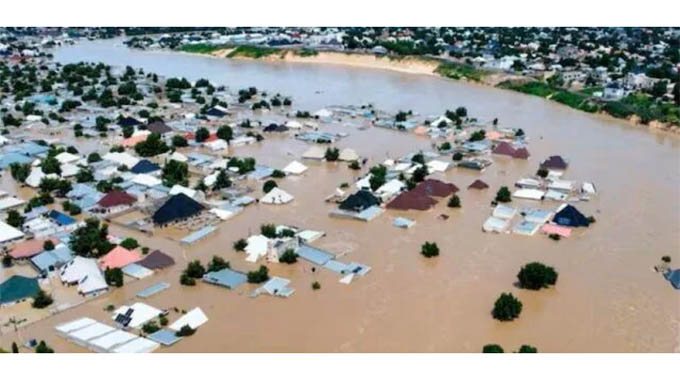
Severe rainfall has caused widespread destruction in Chad as the nation grapples with a food security crisis
Chad is grappling with one of its worst natural disasters in recent history, as relentless rainfall since July has caused severe flooding across all 23 provinces of the country.
The floods have resulted in the deaths of more than 550 people and the destruction of over 210 000 homes, leaving families homeless and vulnerable, the United Nations Population Fund (UNFPA) reported.
The rainy season, which typically lasts until October, has seen unprecedented precipitation, submerging entire communities and destroying vital infrastructure.
In addition to the devastating death toll, around 432 000 hectares of farmland and 72 000 livestock have been wiped out, severely undermining the country’s agricultural backbone. The natural disaster comes on the heels of a food security and nutrition emergency declared in February, with nearly 3.4 million people facing acute hunger.
To address the crisis, the 2024 Humanitarian Response Plan for Chad seeks US$1.1 billion but is currently only 35 percent funded with US$393 million, according to the UN Office for the Coordination of Humanitarian Affairs (OCHA).
With approximately 1.9 million people affected, the UNFPA estimates that 85 000 of those impacted are pregnant women.
Many displaced families are now seeking refuge in makeshift shelters and schools, often without access to basic necessities such as clean water, sanitation, and health services.
The risk of disease outbreaks, including diarrhoea, malaria, respiratory infections, and skin conditions, is high in these overcrowded, unsanitary conditions.
According to Idriss Abdallah Hassan, director of meteorological observation and forecasting at Chad’s National Meteorological Agency, while annual rainfall in the region usually does not exceed 200mm, severe downpours like these occur “every five or ten years.”
The UN had already sounded the alarm in September, warning of the widespread impact of torrential rains and flooding across the region and calling for immediate action and financial support to address the ongoing climate crisis.
On September 5, a report from the OCHA revealed that more than 700 000 people had been affected by similar flooding in South Sudan. — RT.



 Online Reporter