Chronicle Editor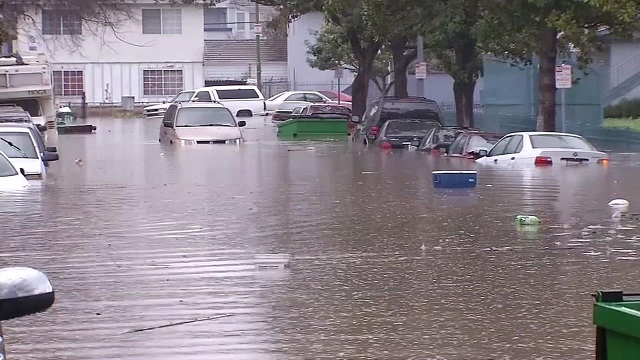
Harare Bureau
Government has issued a flood warning for the 2017/18 rainy season, especially in low lying areas, but said it was taking contingency measures to avert a potential disaster.
In a ministerial statement in Parliament on Wednesday, Environment, Water and Climate Minister Oppah Muchinguri-Kashiri said 2017/18 rainfall forecast predicted normal to above normal rains.
“Firstly, allow me to take this opportunity to share with you the hydrological forecast for the 2017/18 rainfall season,” she said. “Our forecast is that we are expecting mostly normal to above normal rains culminating in high river flows and high in flows into our dams, as well as high recharge to groundwater aquifers. The country is expected to generate between 18 to 24 billion cubic metres of water, yet our nation’s dam storage capacity is standing at 14 billion cubic metres against a situation where most of the dams are at nearly 70 percent full, at a time when they should be at 50 percent full, as we approach the new season.”
Minister Muchinguri-Kashiri said this was going to lead to floods.”This implies that due to the excessive rains experienced during the 2016/17 rain season, we are standing at above normal water storage levels and most of the 2017 to 18 run-off water will end up flowing to the oceans,” she said.
“The chances of flooding like we encountered in the 2016/17 season are very high and we need to strengthen our early warning systems in areas like Tsholotsho, Malipati, Gokwe, Muzarabani, Middle Sabi and Chikwalakwala.”
Minister Muchinguri-Kashiri said bearing in mind the potential disastrous situation the country is faced with, her ministry had considered to vigorously pursue an ambitious command water harvesting programme.
“This programme is deliberately aimed at improving the lives of people at grassroots level across the country through the construction of small weirs on our rivers in order to harness the water which will be used during the dry season.
“The programme also entails the repair of small community dams, de-siltation of dams and weirs, drilling of boreholes, putting up household roof tops and rock top rain water harvesting equipment.”



 Online Reporter