Online Reporter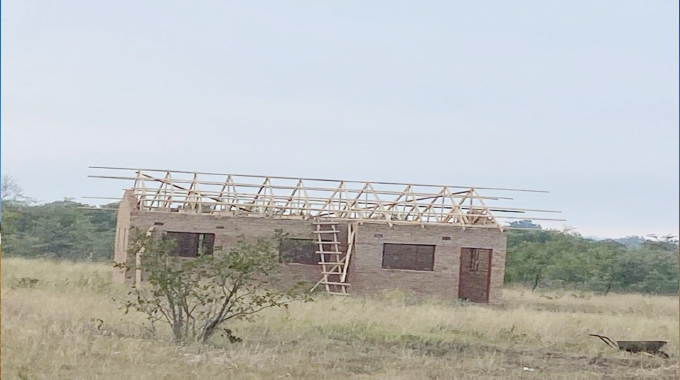
Mthabisi Tshuma, [email protected]
For the past decades, the Zimbabwean diaspora in South Africa, Botswana, Lesotho and Eswatini has been more than a workforce. It has been a development engine back home.
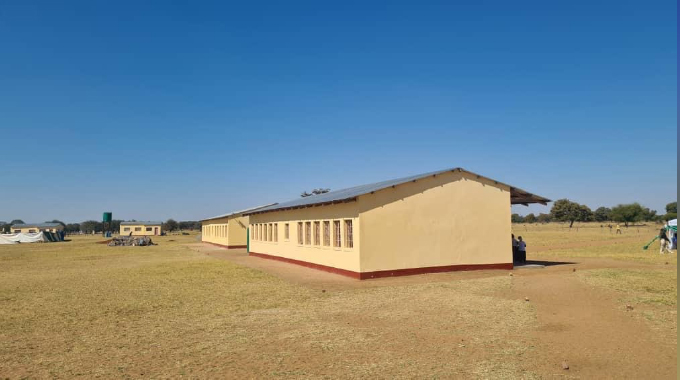
Every month, teachers, builders, nurses, shop workers, security guards and farmhands send portions of their wages across the border. Those remittances have funded new classrooms in Gwanda, Beitbridge, rural clinics in Bulilima, community halls in Matobo and boreholes in Insiza among other areas.
According to financial reports, billions of rand flow north annually in remittances. A significant portion is earmarked for concrete community projects rather than household consumption.
That lifeline is now under direct pressure following a fresh wave of anti-immigration protests, workplace raids and calls for “locals first” hiring in South Africa.
The immediate impact is employment insecurity. Many Zimbabweans work in construction, retail, security, farming and domestic services — sectors that protestors have targeted.
When a builder in Johannesburg is laid off, or a shop assistant in Pretoria loses shifts, the effect is felt within weeks in villages back home.
Unlike discretionary spending, Diaspora project contributions are often pooled through village or ward associations. If five or six members of a 20-person group become unemployed, the monthly target for bricks, cement or artisan fees becomes a challenge.
Village development committees in Matabeleland South say the knock-on effect is already visible. They report delays in paying artisans, buying materials and meeting contractor milestones.
The damage is not only financial. Many Diaspora members also return home periodically to supervise builds, train local committees in project management, or advocate for Government co-funding.
With rising visa fears, xenophobic tension and job scarcity, fewer can travel or commit long-term. That loss of on-the-ground oversight often leads to cost overruns and weaker accountability.
In short, the protests are eroding both the cash flow and the human capital that kept rural projects moving.
Mr Vincent Noko from Ntepe in Gwanda District was laid off when his workplace shut down. He says he can no longer play his part in building a new clinic.
“Monthly, I used to contribute about R300 to R400 towards the construction of Ntepe Clinic,” he said.
“I am not the only one who has been laid off. This will derail our targets of finishing the project, which is a remarkable development for our area considering the distances to the next health facilities at Sengezane and Garanyemba clinics.”
Another returnee, who asked not to be named, said the only thing left to offer now is labour.
“Some of us no longer work, so we will join the local community in providing cheap or free labour towards the construction of these structures at our clinics and schools. I pray that the people remain united and focused on the end goal, which is to see these structures breathe life,” he said.
There is also renewed pressure on local government and the private sector to co-fund initiatives once driven almost entirely from abroad.
Government has moved to respond to the displacement through a reintegration programme led by the Ministry of Public Service, Labour and Social Welfare, working with the Ministry of Foreign Affairs and International Trade and provincial authorities.
At border posts including Beitbridge and Plumtree, Diaspora Help Desks have been set up to receive returnees, assist with documentation and issue Returnee Registration Cards. The cards are meant to fast-track access to health, education and social services.
A key focus is on skills recognition, and for school-going children, the Ministry of Primary and Secondary Education has directed that no child be turned away for lack of transfer letters or fees.
Schools are required to place children immediately and complete grade assessments within 14 days. Psychosocial support is also being provided to help children who may have experienced disruption or bullying adjust.
On the other hand, the Ministry of Women Affairs, in partnership with NGOs, is rolling out starter kits and small grants for returnee women with skills in catering, tailoring, hairdressing and early childhood development.
In Beitbridge and Gwanda, women’s cooperatives are being linked to the Women Development Fund and to procurement opportunities under devolution.
Giving an update during a recent visit by Minister Monica Mutsvangwa, Beitbridge District Head Mr Vusumuzi Siduli said the Ministry remains committed to protecting the dignity and wellbeing of vulnerable returnees arriving at the border.
He said the Ministry is working closely with Government departments, United Nations agencies and development partners to ensure returnees receive timely protection services and are linked to support systems for successful reintegration.
“Our interventions are guided by the Constitution of Zimbabwe, particularly sections that oblige the State to protect vulnerable groups, promote gender equality, uphold the rights of women, and ensure the best interests of children are paramount,” said Mr Siduli.
He also outlined the Ministry’s core responsibilities at the centre, which include identification of vulnerable individuals, provision of psychosocial support, facilitation of referrals, GBV prevention, women’s empowerment and information dissemination.
Mr Siduli said since operations intensified, 2 214 returnees have received psychosocial counselling. Of these, 2 198 were women, and 16 were men. Counsellors are helping returnees cope with trauma, stress and challenges linked to displacement.
He said a total of 182 returnees have been referred to other departments for specialised assistance, including the Department of Social Development and the Ministry of Health and Child Care.
“On economic empowerment, 95 women have been linked to livelihood and entrepreneurship information. A further 109 women were reached with information on Government support programmes available for reintegration,” said Mr Siduli.
“To prevent Gender-Based Violence, the Ministry is conducting awareness sessions and maintaining survivor-centred referral pathways at the centre. We are also promoting access to affordable financing to help returnees rebuild their lives.
“Through the Community Development Fund, returnees can access loans for income-generating projects and community enterprises. The Women Development Fund specifically targets women entrepreneurs to start or expand businesses. These financing facilities are critical for strengthening resilience and supporting long-term reintegration into communities.”
He added that the Ministry will continue providing protection and psychosocial services, strengthen coordination with partners, expand awareness of empowerment programmes, and mobilise more resources.
It is also supporting day-to-day operations at the centre, including assisting with kitchen and welfare services for returnees.
Also addressing the Minister, Foreign Affairs and International Trade representative from the Consular Department, Mr Hillary Mahumbe, said anti-migrant sentiment in South Africa has exposed many Zimbabweans to intimidation, harassment, displacement, threats of violence and loss of livelihoods.
“These circumstances created an unprecedented demand for Government intervention and humanitarian assistance,” he said.
Since the repatriation programme began, the Zimbabwe Embassy in Pretoria and Consulates in Johannesburg and Cape Town have assisted thousands of its citizens to return home from various South African provinces.
Mr Mahumbe said security improved after the height of unrest around 30 June 2026, but anti-foreigner hostility is likely to continue until South Africa’s elections in November 2026.
He said night-time attacks are forcing nationals to seek refuge at consulates and police stations and that the anti-migrant groups are now holding marches every Thursday and conducting door-to-door searches.
“They are also targeting small businesses run by foreigners such as tuckshops, barbershops, spaza shops and taxis,” he said.
Mr Mahumbe said the Government departments at the reception and support centre facilitated a birth certificate for a Zimbabwean woman who died at the border without identification, and that relatives were assisted to cross into South Africa to identify the body. Repatriation processes, including post-mortem and burial documents, are underway.
Deputy Director in the Ministry of Skills Audit and Development, Ms Lesley Chakundura, said the Ministry is continuing with registration of skills among men and women at the centre. The exercise is aimed at enhancing smooth reintegration into the national human capital and development trajectory.