Online Reporter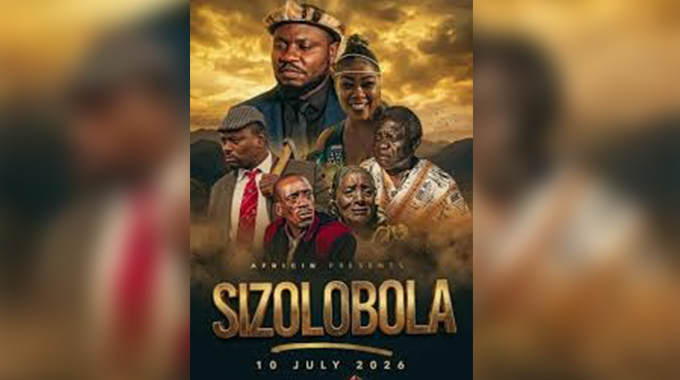
Langalakhe Mabena, Sunday Life Reporter
AT a time when conversations around identity, culture and belonging continue to shape communities across Zimbabwe, an upcoming local film is using one of Africa’s oldest traditions to tell a story about unity, understanding and the enduring power of love.
Veteran actor and filmmaker Madlela Sikhobokhobo says Sizolobola, a new local production set for release next month, seeks to bridge cultural divides between the country’s two largest ethnic groups, the Ndebele and Shona, through a relatable story centred on marriage and the payment of lobola.
The title reflects the film’s focus on a practice that remains a cornerstone of many African families. While lobola is often celebrated as a symbol of respect and union between families, it can also present challenges when cultural expectations differ.
Set against this backdrop, Sizolobola follows the journey of two young lovers determined to build a future together despite the complexities that arise when different traditions meet.
The film is scheduled to premiere on 4 July at a venue yet to be announced before becoming available to a wider audience on 10 July through the streaming platform Africin.
Shot in Seke District in Mashonaland East Province, the production combines drama and comedy while exploring themes of family, marriage, cultural identity and the significance of bride wealth within African societies.
Produced by Africin, the film was developed from a concept by Sikhobokhobo, with the screenplay written by Manuel Matsinye.
Praise Nkala of Motion Pictures handled cinematography and editing.
The cast features Exult Ncube as Njabulo, Madam Boss as Maka, Madlela Sikhobokhobo as Madlela, Jesesi Mungoshi as Mai Maka, Charles Mzemba as Retired General and Antony Emmanuel Tongai as Makotore. Popular comedian Sipho “Mercent” Nyathi and musician La Dee also make appearances.
At the heart of the story are Njabulo and Maka, a young couple from different ethnic backgrounds, Ndebele and Shona respectively, who decide to marry after years of courtship.
What should be a joyous journey quickly becomes complicated as they navigate the traditional lobola process, where differing customs and expectations begin to test not only their patience but also the strength of their relationship.
As negotiations become increasingly difficult, the couple is forced to confront the cultural barriers standing in their way while searching for a path that honours both love and tradition.
For Sikhobokhobo, the story extends far beyond marriage negotiations. He believes the film carries a message that resonates with Zimbabwe’s broader social fabric.
“The production is all about bringing people together despite differences in ethnicity. When two people love each other, there will always be those who try to discourage the union but at the end of the day, love wins.
“This story encourages us to find common ground as people whenever it serves a good purpose. Love conquers all and should be a unifying force within our communities,” said Sikhobokhobo.
The veteran actor said the film’s message of unity was reflected behind the scenes as well, where cast and crew members from different parts of the country worked together towards a shared vision. According to him, the collaboration between creatives from Bulawayo and Harare became a practical demonstration of the values the film seeks to promote.
“Everyone on set understood the vision of the film and what it seeks to achieve. That made it easier for people from different backgrounds to work together as one team,” he said.
Beyond its theme of love and cultural understanding, Sizolobola also provided Sikhobokhobo with an opportunity to work alongside one of Zimbabwe’s most respected screen legends, veteran actress Jesesi Mungoshi.
The actor was full of praise for Mungoshi, whose career has spanned more than four decades and whose contribution to Zimbabwean film and television continues to inspire younger generations.
He said her presence on set brought wisdom, warmth and a sense of continuity between generations of Zimbabwean creatives.
“With a career spanning more than four decades, she has built a remarkable legacy in the industry. Her wisdom and experience created a warm atmosphere on set and she generously guided younger creatives involved in the project.
“Working with her on Sizolobola was an incredible experience. She’s a caring and attentive mother figure and her presence on set brought honour and warmth to all of us who look up to her. She’s a legend who deserves to be celebrated at all times,” said Sikhobokhobo.
As Zimbabwe’s film industry continues to seek stories that reflect contemporary realities while celebrating local cultures, Sizolobola arrives as a timely reminder that despite differences in language, tradition and background, shared values often matter more than the things that divide people.
And in the world of Njabulo and Maka, as Sikhobokhobo suggests, love may yet prove to be the strongest bridge of all.