Online Reporter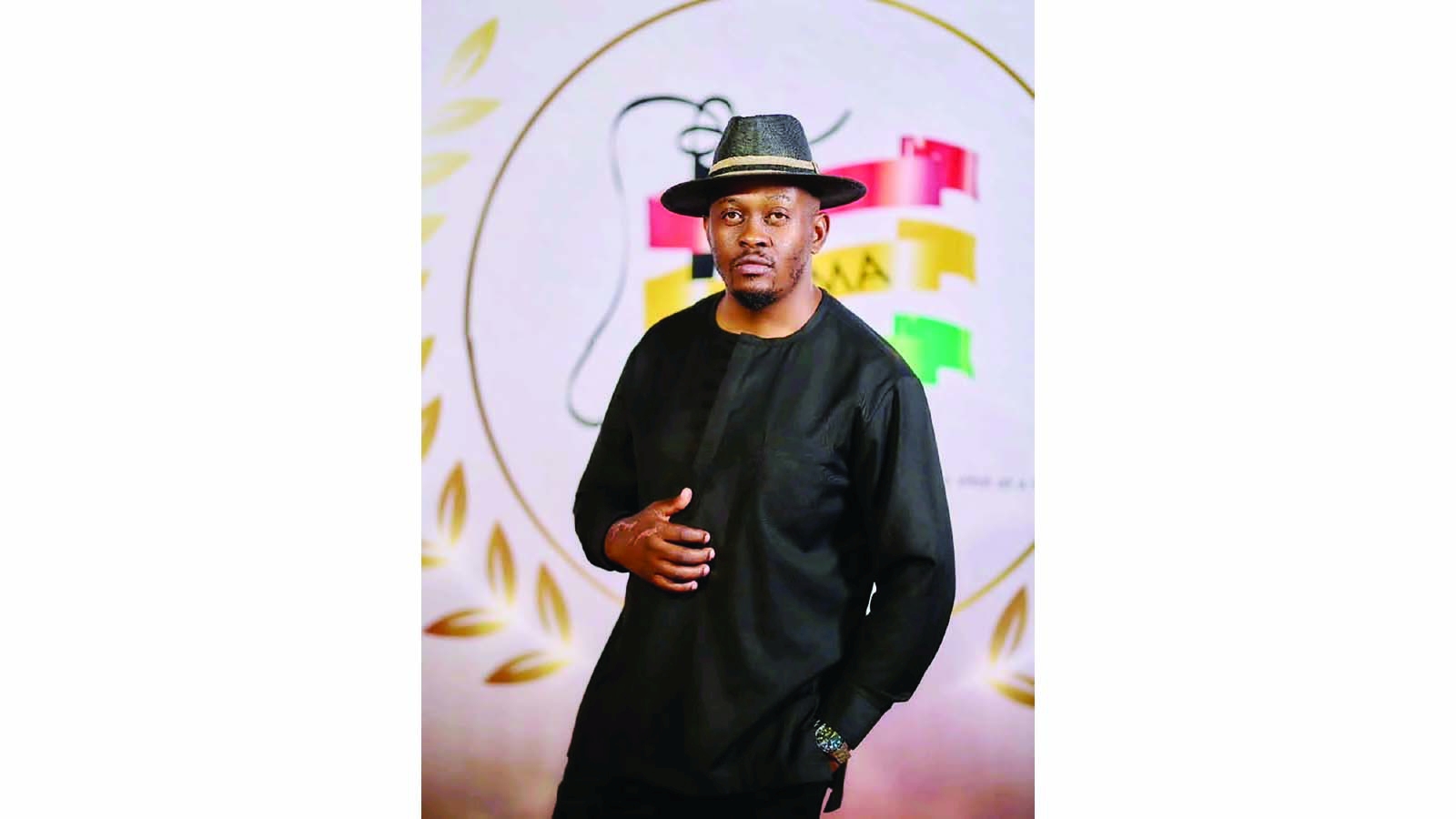
Trust Khosa-Zimpapers Arts and Entertainment Hub
National Arts Council of Zimbabwe (NACZ) chief executive Napoleon Nyanhi has urged stranded sculptors nationwide to soldier on and seek collaborations with thriving galleries.
Nyanhi’s call comes as sculptors at the Tengenege Arts Community in Guruve, Mashonaland Central Province, face hard times. Some have left the cultural hub to pursue mining, while others now work in tombstone design.
The centre’s decline worsened after the death of its founder, Tom Blomefield, in 2020 at the age of 94.
At one point Dominic Benhura ran the centre, but he has handed over the reins to the local community and the superintendent of the National Gallery of Zimbabwe.
Sharing his thoughts on the plight of sculptors nationwide, Nyanhi said it was never too late for sculptors to reinvent themselves to survive.
“My advice to sculptors facing hardship is to view this moment as a pause and reflection phase in a much longer creative journey. Break isolation — it often comes with financial difficulty. Reach out to your fellow artists; we are seeing a powerful resurgence of collaboration through artist collectives and village workshops where resources, tools, and commissions are being shared,” Nyanhi said.
“I also urge you to diversify your approach. While you may be known for large stone pieces, consider creating smaller, more affordable works that appeal to the domestic market or explore functional art.
“Furthermore, embrace the digital space. We have witnessed sculptors successfully using social media and e-commerce platforms to bypass traditional galleries, connecting directly with the diaspora and international collectors who still deeply value the authenticity of Zimbabwean stone sculpture.
“Secondly, remember that the story of Zimbabwean sculpture is one of resilience against the odds.”
Nyanhi firmly believes that stone sculpture still has relevance in telling the Zimbabwean story, adding that local sculptors still have plenty to offer.
“During these lean times, I advise you to preserve your creative capital by documenting your work and your process; often, the story behind the sculpture can be as valuable as the piece itself. Do not be afraid to pivot or to temporarily offer apprenticeships to younger artists; in teaching, you often rediscover your own passion.
“Soldier on by protecting your mental health, staying connected to your artistic community, and holding onto the belief that the world will always need the unique, soulful narrative that only a Zimbabwean sculptor can tell. “Your legacy is not defined by the hardships you face, but by the courage you show in continuing to create through them,” he added.
Lack of innovation has been described as a major setback for local sculptors, who used to rely on tourists visiting Zimbabwean galleries and collecting artworks.
Economic sanctions have left them poorer, since it is now harder for them to trade with international buyers.
Failure to embrace technology for marketing purposes has been another major setback for our sculptors, who are now stuck with large volumes of unsold work.
Their only hope is that art does not depreciate but rather appreciates in value over time. What they now need is to change their modus operandi and embrace technology for the sake of relevance.