Online Reporter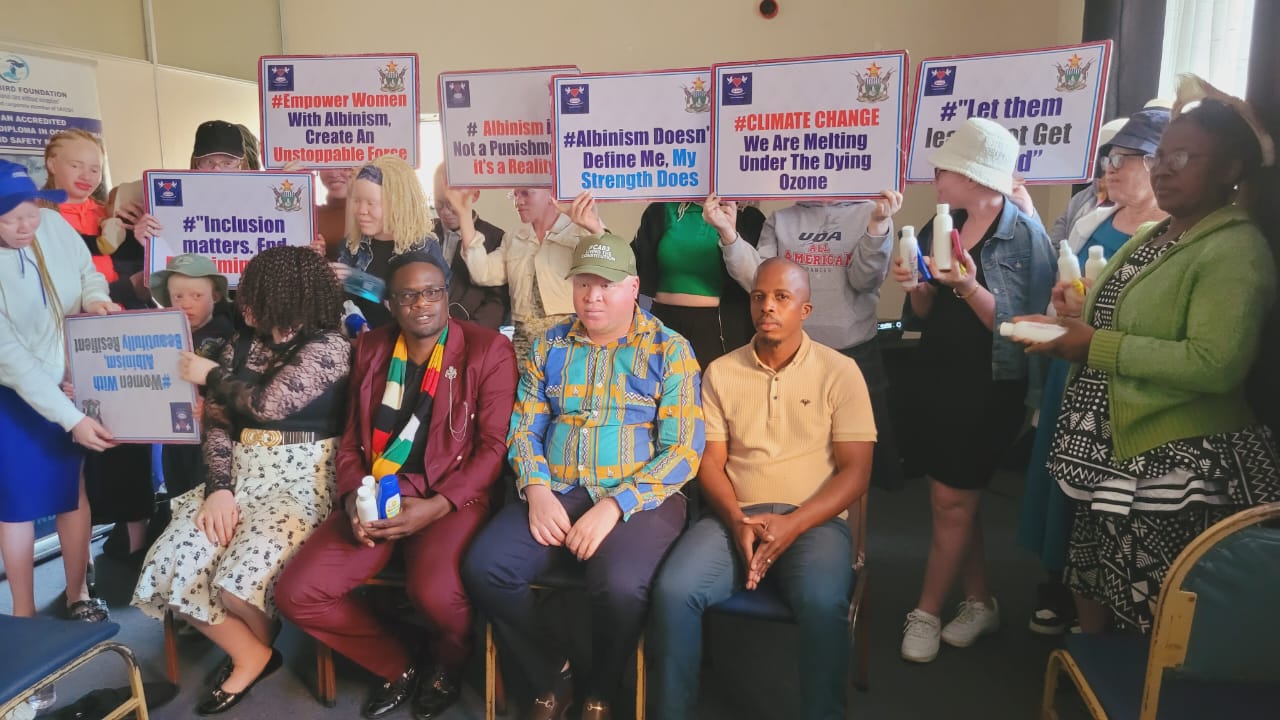
Flora Fadzai Sibanda, [email protected]
FOR Ms Quincy Sibanda, buying sunscreen is often a choice between protecting her skin and meeting other basic household needs.
Living with albinism means she cannot afford to go without sunscreen, yet unemployment has made accessing the life-saving products a constant struggle.
However, last Friday, there was some relief and hope as she joined more than 40 other people living with albinism in
Bulawayo who received free skin care products during the launch of the Southern African Development Community (SADC) Albinism Alliance.
The organisation donated sunscreen sprays, lotions and lip balms worth about US$2 000, products that are essential for people living with albinism, who face the risk of skin cancer due to a lack of melanin in their skin.
“I am happy the organisation has promised to support us through offering free courses so that we can look for jobs and generate money to buy the products. I am really grateful for the donation,” said Ms Sibanda.
For another beneficiary, Ms Paidamoyo Ncube, the donation means protection from a daily threat that many people take for granted.
“I am really happy about the donation. Sunscreen is something we need every day as it protects us from the sun and helps prevent skin damage. I hope they continue with these donations because many people living with albinism cannot afford these products,” she said.
The launch of the Sadc Albinism Alliance marked the beginning of what organisers say will be a long-term campaign to improve the welfare and inclusion of people living with albinism across Zimbabwe and the region.
The alliance was formed through a partnership between Albinism in Action for Economic Development, Health Ambassadors for Development, Ocean Bird Foundation International and Mandazy Beauty Parlour.
Speaking at the event, Albinism in Action for Economic Development national chairman Mr Gerald Mhandu said access to sunscreen remains one of the biggest challenges faced by people living with albinism.
“These skin care products are very expensive and difficult to access for many people living with albinism. The lotions are extremely important because without them we are at a higher risk of developing skin cancer due to the lack of melanin in our skin,” he said.
Mr Mhandu said the organisation intends to expand its outreach to other provinces and make the donations a regular programme.
“We are happy that we have been able to assist these beneficiaries today, but this is only the beginning. We want to reach more people across the country and continue supporting them through regular donations and empowerment programmes,” he said.
Beyond sunscreen donations, the alliance is also focusing on economic empowerment as a sustainable solution to the challenges faced by people living with albinism.
Ocean Bird Foundation director Mr Ganizani Phiri said selected beneficiaries will receive scholarships to undertake professional and vocational courses aimed at improving their employment prospects.
“Many people living with disabilities, including those living with albinism, face challenges in completing their education and securing employment. We want to help address that challenge,” he said.
“After realising that many people living with albinism struggle to buy skincare products because they are unemployed, we decided to offer free courses that can help them acquire skills, secure jobs and eventually become financially independent.”
Mr Phiri said that while sunscreen donations provide immediate relief, long-term empowerment through education, skills development, and employment opportunities remains critical to improving livelihoods and reducing vulnerability.