Online Reporter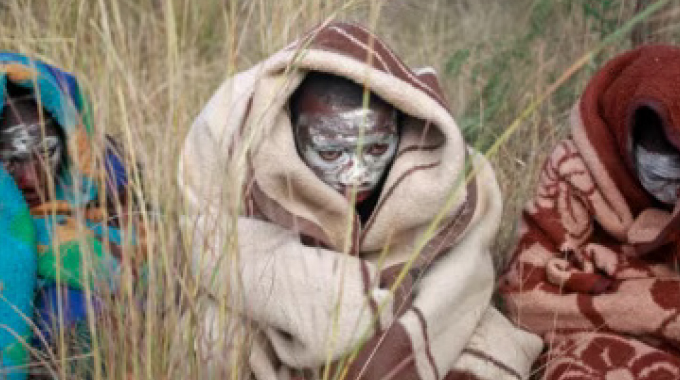
Pastor Sikhumbuzo Dube
CATTLE grazed gracefully nearby. Beyond the paddock fence installed by the villagers, the eye wandered across beautiful green valleys dotted with huge bulls, energetic cows, fat heifers and steers leisurely mowing down the sweet grass. The rhythmic mooing of the cattle blended with birdsong and the screeching of rain insects, turning the valley into a natural orchestra of uncoordinated music. Though lacking harmony, the sights and sounds announced peace and happiness in the village.
The village herdsmen chatted as they watched over their livestock. Their little community was a haven of harmony, free from animosity and bad blood.
As the young men tended their cattle, their conversation shifted from casual banter to deeper reflections, each one gradually removing his mask to reveal personal thoughts. It was a warm, organic way of helping one another grow into men who would make their parents proud.
One subject led to another until the boys found themselves discussing virility and what it means to be an authentic man.
Their curiosity drew them to a poolside ritual they had heard about from older brothers — a crude test of masculinity. According to the myth, a young man could predict his ability to father children by casting his semen on water: if it floated, he was fertile; if it sank, he was not.
Driven by curiosity, they lined up by the pool, following the instructions of their self-appointed tutor. Each discovery brought exhilaration as they celebrated their supposed ability to become fathers. But as they revelled in this misguided experiment, an old man approached stealthily, stepping on semi-dry leaves to avoid detection.
He stood silently for a moment, listening to their chatter. Then, after the last boy had celebrated, the grey-haired elder coughed to announce his presence. The boys froze as if struck by lightning. Some were so adrenalised that escape seemed possible, yet invisible cords of shame held them motionless, pants down by the pool.
The wise old man calmed their fears and asked them to dress. He then sat them down and spoke with authority tempered by years of experience. After listening to their explanation, he cleared his throat and locked eyes with each boy.
“While virility is important,” he began, “there are four hats every young man must wear as he transitions into manhood. You may father children, yet fail to be a responsible man. What I share now is cardinal to shaping you into authentic men.”
From prince to king
“As you grow, you lay down the hat of a prince and wear a king’s crown. I assume you are all princes — none of you is a pauper. Your birth is royalty.
“A king provides leadership. If you waste your princely years and fail to invest in becoming a good king, your wife will never treat you like one. Treat your sisters like princesses, and you will treat your wife like a queen. When she enjoys queenly care, she will return the favour by treating you like a king.”
From worrier to warrior
“When I found you by the pool, you were experimenting because of the worry of fatherhood. You celebrated when that worry was extinguished. But life will bring uncertainties. Some who passed this test may never have children.
“Do not slide into ‘worriership’ and fail to bounce back into warriorship. A warrior fights psychological battles. Myths and social pressures will destabilise your mental well-being. Worry is like a rocking chair — it keeps you busy but takes you nowhere. If the warrior dies, the king’s throne is insecure.”
From mentee to mentor
“You have been learning for a while. I hope from the right sources. Soon, you must become mentors — dependable guides. If your wife cannot give you children, do not seek them in the wrong places. Sleeping with every woman will not make you a man. Authentic manhood is not measured by the number of children you have, but by those you mentor well.”
From befriended to friend
“When you were growing up, we your parents tried to befriend you. Now go and become true friends to those God brings into your life.”
Pastor Sikhumbuzo Dube is a healthcare chaplain, counsellor, marriage coach and founder of Shunem Care, a ministry to the involuntarily childless and emotionally wounded. He has published several articles on marriage, spiritual care, mental health, chaplaincy and involuntary childlessness. This article is a snippet from his forthcoming book.