Online Reporter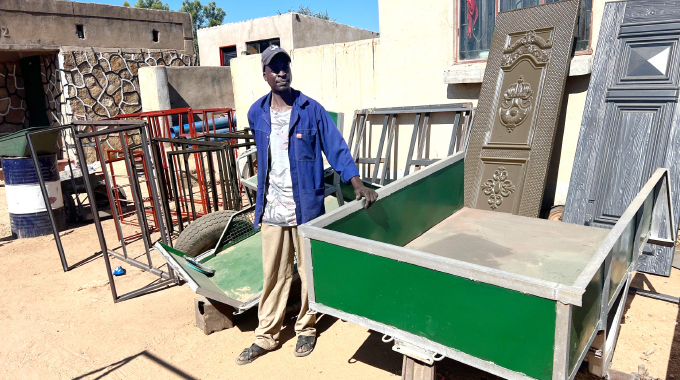
Sukulwenkosi Dube-Matutu, Zimpapers Writer
THE Zimbabwe Prisons and Correctional Services (ZPCS) has intensified its rehabilitation and reintegration programme in line with its shift from punitive incarceration to a more holistic, reform-focused approach and Gwanda Prison is leading the way.
Through skills training, counselling, spiritual guidance and community re-engagement, ZPCS is preparing inmates for life beyond the prison walls and working to reduce recidivism.
Gwanda Prison Officer-in-Charge, Superintendent Ishmael Madzimbamuto, said rehabilitation begins the moment an inmate is admitted into custody.
“Through the guidance of our Commissioner-General, rehabilitation programmes have been taken far.
The inmate’s journey to rehabilitation begins on day one as the inmate enters the prison. An inmate goes through an induction where rehabilitation officers explain what prison is, what it means to be in prison and what is expected of them,” he said.
Supt Madzimbamuto said they assess the criminology history, social background, type of offence and underlying causes, then tailor a personalised rehabilitative pathway for each inmate.
He said ZPCS does not impose training on inmates but helps them discover and develop skills based on their interests. Programmes include vocational training, academic support, counselling and spiritual mentorship.
“It’s very important for us as ZPCS to equip inmates with skills so that when they are outside, they are employable or they can start their own projects. This helps to ensure that when inmates are released, they can be law-abiding citizens to avoid recidivism,” he said.
Assistant Principal Correctional Officer Piniel Sithole highlighted the importance of family and community reintegration.
He said ZPCS facilitates counselling and home visits to begin mending relationships with families and communities even before release.
“Family, relatives and communities play a crucial role in the reintegration process and that it why it’s important for us as a prison to facilitate mending of relationships while the inmate is still under our custody,” he said.
Mr Norman Ngwenya, a former inmate at Gwanda Prison, is one of the programme’s success stories. Now running a welding business at Ntepe Business Centre, he credits his rehabilitation for the positive turnaround in his life.
“When I got to prison, I had lost hope. I thought it was just punishment. I used to have a rogue mentality, but the counselling and training changed me. Now I’m helping others through my welding skills,” he said.
His mother, Ms Elina Ndlovu, confirmed the transformation, saying her son had turned from a rowdy alcoholic into a responsible and productive man.
“The change in him is remarkable. He’s focused, respectful and determined. Prison made him better,” she said.
Currently serving inmate, Matshitshi Khumalo from Kezi District, also attested to the value of the rehabilitative approach.
“This process has changed me mentally. I’ve gained critical skills that will help me once I return to society,” he said.
Supt Madzimbamuto said the rehabilitative approach is aligned with national development goals, particularly Vision 2030, which emphasises inclusive growth and leaving no one behind.
“These programmes ensure that inmates return to their communities as contributors, not burdens. That is how we build a safer and stronger Zimbabwe,” he said. —@DubeMatutu