Siphakeme .Mnindwa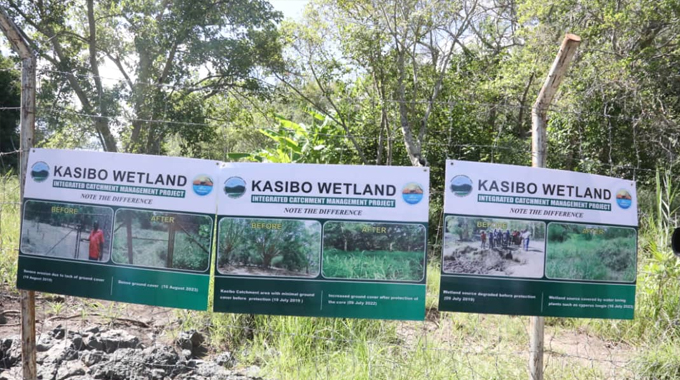
Mashudu Netsianda recenly in Hwange
ZIMBABWE has reaffirmed its commitment to wetland conservation and sustainable management, with the Government crafting various legal instruments to guide wetland protection efforts.
In a speech read on his behalf by Defence Minister Oppah Muchinguri-Kashiri on Thursday during the belated 2025 World Wetlands Day commemorations at Kasibo area in Hwange District, Matabeleland North, President Mnangagwa said his administration had put in place a raft of measures and an ambitious plan for wetland management by increasing the area under sustainable management.
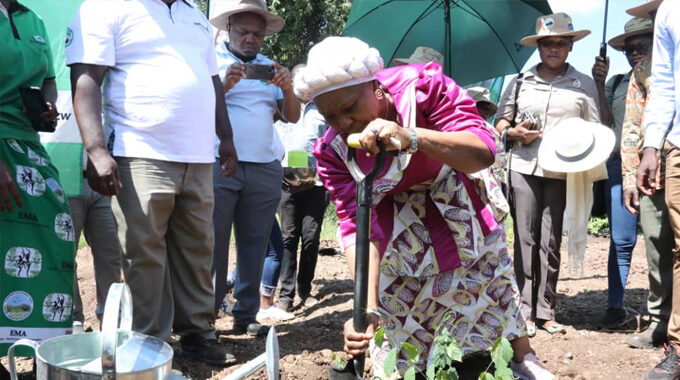
The annual event is observed every 2 February in recognition of the importance of wetlands and their role in environmental sustainability and economic resilience. The day marks the adoption of the Convention on Wetlands on 2 February 1971, in the Iranian city of Ramsar, on the shores of the Caspian Sea. This year’s commemorations were held under the theme: “Protecting Wetlands for Our Common Future.”
Zimbabwe is one of the 173 contracting parties to the Convention on Wetlands, having ratified it in 2014.
President Mnangagwa said the various measures implemented by the Government to enhance wetland conservation include increasing the area under sustainable wetland management in alignment with the National Development Strategy 1 (NDS1), the Wetland Rehabilitation Rolling Plan (2021-2025), and the National Biodiversity Strategy and Action Plan (NBSAP).
The National Wetlands Policy and the Environmental Management Act (Chapter 20:27) serve as key legal frameworks guiding wetland protection efforts.
President Mnangagwa highlighted the critical role of wetlands in securing water sources and sustaining livelihoods.
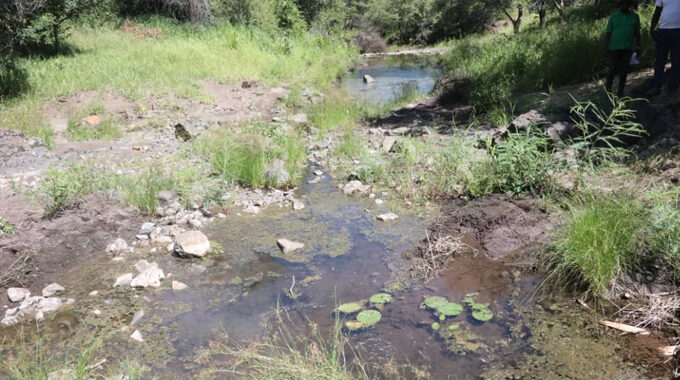
“As much as there is still a lot of work to be done to reverse the legacy of past actions that were detrimental to the integrity of our wetlands, our commitment to transformative and progressive sustainable wetland management is evident in the policy and administrative direction we are taking,” he said.
“The National Wetlands Policy outlines our aspirations to sustainably manage these vital resources, and the Environmental Management Act (Chapter 20:27) remains our principal legal instrument guiding wetland management in the country,” said President Mnangagwa.
“Zimbabwe is one of the 173 contracting parties to the Convention on Wetlands, having ratified it in 2014. This demonstrates our full commitment to ensuring that our wetlands remain pristine and capable of regenerating naturally.”
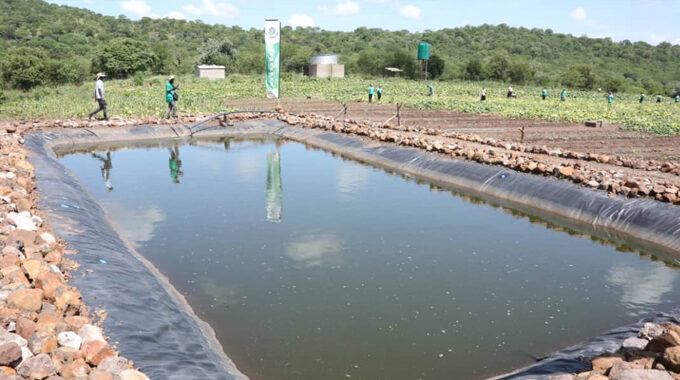
President Mnangagwa warned that wetlands globally face unprecedented threats due to rapid urbanisation, agricultural expansion, pollution, deforestation, and climate change. He stressed that these factors jeopardise the environmental services provided by wetlands, posing a risk to communities that rely on them.
“The protection of wetlands for posterity remains unquestionable. No single individual, organisation, or government can tackle this challenge alone,” he added. “It requires collective efforts from all sectors of society, including the public and private sectors, local communities, and international partners.”
Calling for increased environmental education, particularly among young people, he stressed the need to cultivate a new generation committed to preserving these vital ecosystems.
Zimbabwe is set to host the 15th Meeting of the Conference of the Parties to the Convention on Wetlands (COP15) in Victoria Falls in July this year.
“As Zimbabwe, we stand tall and proud as a leader in wetland conservation. Hosting COP15 at Victoria Falls, one of the Seven Wonders of the World and a designated Ramsar site, is an honour and an opportunity to showcase our dedication to environmental stewardship,” said the President.
“The future of our wetlands is in our hands, and so is our future. Let us protect wetlands for our common future. Value wetlands. Protect wetlands. Inspire others to value and protect wetlands,” he said.
The event was attended by the Secretary General for the Convention on Wetlands, Dr Musonda Mumba, who is based in Switzerland; the Minister of Environment, Climate and Wildlife, Dr Sithembiso Nyoni; the Permanent Secretary for Matabeleland North Provincial Affairs and Devolution, Mrs Sithembile Ncube; the President of the Chief’s Council, Chief Mtshane Khumalo (Sen); Environmental Management Agency (EMA) officials; local traditional leaders; and senior Government officials, among others.


 Online Reporter