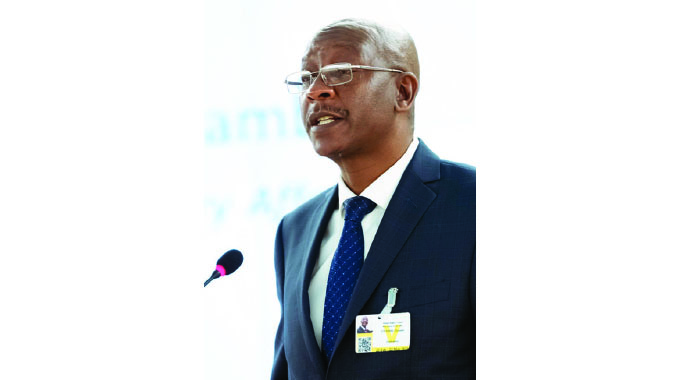
MacDenias Moyo
The passage of Constitutional Amendment Bill No. 3 through the Senate, with 75 Senators in favour and only 4 against, is the culmination of a journey that has carried the nation from the crucible of public consultations to the chambers of Parliament and now to the threshold of Presidential assent.
This is not a mere legislative act, but a profound demonstration of a listening Government and a responsive Parliament, a moment in which the sovereign will of the people has been translated into constitutional reality.
The journey of CAB3 began not in the cloisters of power, but in the open spaces of public dialogue. Citizens spoke with clarity and conviction during consultations, submitting over half a million responses, of which more than 537 000 endorsed the Bill. This overwhelming support was not manufactured but organic, a chorus of voices insisting that reform must align with the aspirations of the people. The Government listened. The proposals were refined, the clauses corrected and the Bill reshaped to reflect the pulse of the nation.
When the Bill entered the National Assembly, the numbers told their own story. 216 members voted in favour, while only 42 opposed. This was not a narrow victory, but a landslide, a demonstration that across party lines there was recognition of the necessity of reform.
Justice Minister Ziyambi Ziyambi declared that the government had heard the people and realigned the Bill accordingly, a statement that underscored the responsiveness of authority to the sovereign voice.
Paul Mangwana, a seasoned constitutional drafter, reminded the House that amendments must always be tethered to the will of the people, lest they lose legitimacy. Even opposition figures such as Senator Morgen Komichi acknowledged that the revisions demonstrated responsiveness, though they urged vigilance in safeguarding democratic institutions.
The Senate has now carried that journey forward. 75 Senators endorsed the Bill, with only 4 dissenting. This overwhelming support mirrors the National Assembly and confirms that CAB3 is not the imposition of authority, but the product of dialogue. The numbers are not sterile arithmetic. They are the embodiment of consensus, the manifestation of a nation speaking with one voice. They show that reform is not partisan but national, not imposed but embraced.
The journey of CAB3 is, therefore, a narrative of listening and responding. From the public consultations that revealed overwhelming support, to the debates in the National Assembly that refined the clauses, to the Senate vote that confirmed consensus, the Bill has travelled through the crucible of democracy. It has been tested, debated, revised and endorsed. It has shown that Zimbabwe’s constitutional order is not static, but dynamic, not decree but covenant, not imposition but dialogue.
The next step is Presidential assent. Once signed, the Bill will be gazetted and become part of the Supreme Law of the land. This will mark the completion of a journey that began with ambition, was refined by wisdom and has now been endorsed by the representatives of the people. It will usher in a new constitutional cycle, extending the electoral rhythm from five to seven years and embedding the revised structures into governance.
CAB3’s passage is not merely legislative. It is symbolic. It symbolises a Government that listens, a Parliament that deliberates, a people that speak and a Constitution that evolves. It is vox populi vox Dei, the voice of the people guiding the instruments of State. It is Zimbabwe listening, Zimbabwe speaking, Zimbabwe evolving. And in that demonstration lies the true meaning of reform.
This journey has shown that Zimbabwe is capable of reform that listens, reform that responds, reform that evolves. It has shown that government is not deaf, that Parliament is not rigid, that the people are not ignored. It has shown that Constitutionalism is not static but living, not decree but covenant, not imposition but dialogue. It has shown that Zimbabwe is a nation that listens, a nation that speaks, a nation that evolves. And in that demonstration lies the true meaning of sovereignty.
CAB3 has, therefore, become more than a Bill. It has become a symbol of democratic vitality, a marker of constitutional evolution, proof to the covenant between rulers and ruled. It has shown that reform is not the stubborn imposition of will, but the responsive shaping of law to reflect the aspirations of the nation. And in that demonstration lies the true meaning of reform.