Online Reporter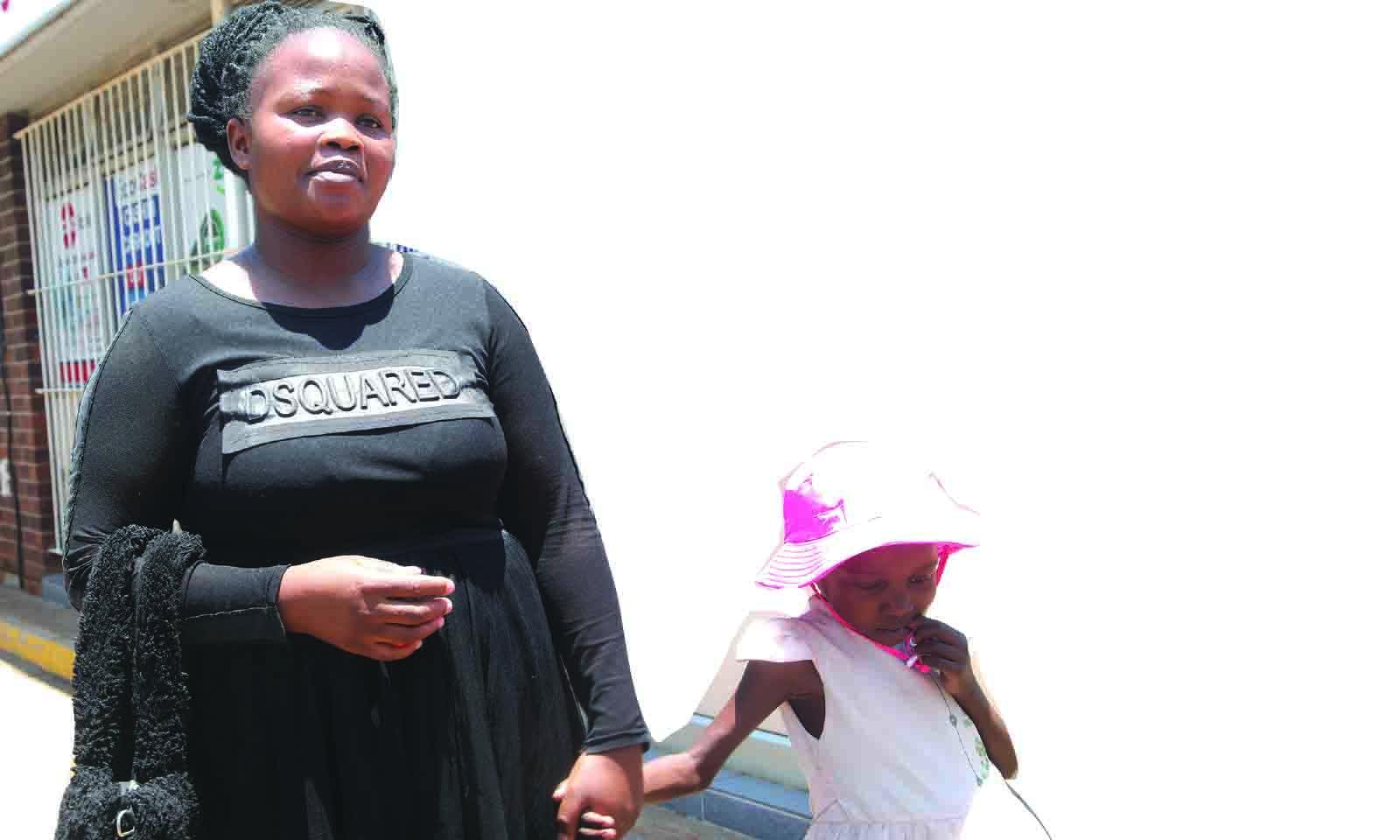
Theseus Shambare
Features Writer
ASHLEY Zengenene’s journey is nothing short of remarkable. Once confined to hospital corridors filled with tears, her story has transformed into one of joy with laughter echoing through open courtyards.
This little warrior, just seven years old, faced a monster within, a tumour so massive it threatened to steal her childhood.
Yet, with courage beyond her years, Ashley fought back, and today she’s celebrating a second chance at life.
Her mother, Ms Patience Joseph, a single mother from Macheke, Mashonaland East Province, still trembles when she recalls the days she watched her child fade right before her eyes.
“I watched her die slowly,” she said. “There were nights I begged God to take me instead.”
It all started like a common cold. Ashley was just three when she complained of a fever and stomach pains, and doctors at Macheke Hospital prescribed first-line medicine to treat her symptoms.
Weeks later, while staying with her grandmother, she woke up with a swelling on her tummy. Her grandmother massaged it with warm water and it disappeared, but only for a short while. When it returned, it came back larger, harder and merciless. “She vomited after every meal,” Ms Joseph recalled. “Her belly started to bulge like a drum and I knew something was terribly wrong. She looked like a woman in her third trimester.”
After a series of hospital visits, doctors ordered an X-ray and later referred her to Parirenyatwa Group of Hospitals in Harare for further tests.
There, a CT scan revealed the unthinkable — Wilms tumour, a rare childhood kidney cancer.
According to the World Health Organisation (WHO), Wilms tumour accounts for nearly 90 percent of kidney cancers in children under the age of five, with survival rates exceeding 85 percent in high-resource settings — a contrast that highlights the resilience of local health workers achieving similar recoveries with limited resources.
“My world came to a standstill,” said Ms Joseph. “I could not believe it. I thought cancer was for adults.”
Ashley began chemotherapy immediately. The drugs were strong and her little body grew weaker. “She lost her appetite,” Ms Joseph added. “Her body became smaller and I feared the worst.”
When doctors recommended surgery, life outside the hospital was crumbling. Ms Joseph had resigned from her nurse aide job to care for her daughter full-time and the bills kept piling up.
True to her name, Patience, she endured sleepless nights, unanswered prayers and months of uncertainty with quiet strength and unshaken faith that her child would live.
And then hope knocked again.
The Department of Social Welfare stepped in to help cover Ashley’s medical costs. Simultaneously, KidsCare Zimbabwe, a child health NGO, offered the family accommodation, food and specific financial assistance.
For months, mother and daughter lived at KidsCare House in Belgravia, Harare, a safe haven for children undergoing long-term treatment.
“They became our family,” Ms Joseph said. “Without them, I do not think we would have survived.”
Ashley endured round after round of chemotherapy.
Her body responded slowly and in September 2025, doctors referred her to Sally Mugabe Children’s Hospital for surgery. On October 7, 2025, she was wheeled into the operating theatre. Her mother stood trembling, praying under her breath.
“I did not eat for two days,” Ms Joseph said. “I was afraid my child would not wake up; I was ready for bad news.”
Inside the theatre room, Dr Precious Mutambanengwe, a paediatric and neonatal surgeon, led a team of doctors and nurses through one of the hospital’s most delicate procedures.
“The tumour was enormous,” Dr Mutambanengwe said in an interview recently. “We had to move slowly to avoid damaging nearby organs.”
The removed mass weighed about four kilogrammes, nearly the size of the child’s liver.
The operation lasted three hours, which were the longest three hours of Ms Joseph’s life.
When the theatre doors finally opened, the surgeon’s smile told her everything she needed to know.
“It was successful,” Dr Mutambanengwe told her. She collapsed into tears of joy. Just days later, Ashley sat up, then she stood, and soon, she was walking again. Her laughter filled the paediatric ward, echoing through the hospital corridors that had once carried only sobs.
“It felt like a resurrection,” her mother said. “My child was alive again.”
After her final chemotherapy session at Parirenyatwa Group of Hospitals on a recent Friday morning, Ashley and her mother waved goodbye to the doctors and nurses who had fought beside them for more than a year.
They left the hospital hand in hand, smiling, certain that better days were finally ahead.
“We came from despair to celebration,” said Ms Joseph. “And I will never stop thanking everyone who helped us.”
Ashley is expected to begin radiotherapy soon to ensure full recovery. She still needs financial assistance for the next phase of treatment and for school, where she hopes to join her age mates, though in a lower grade.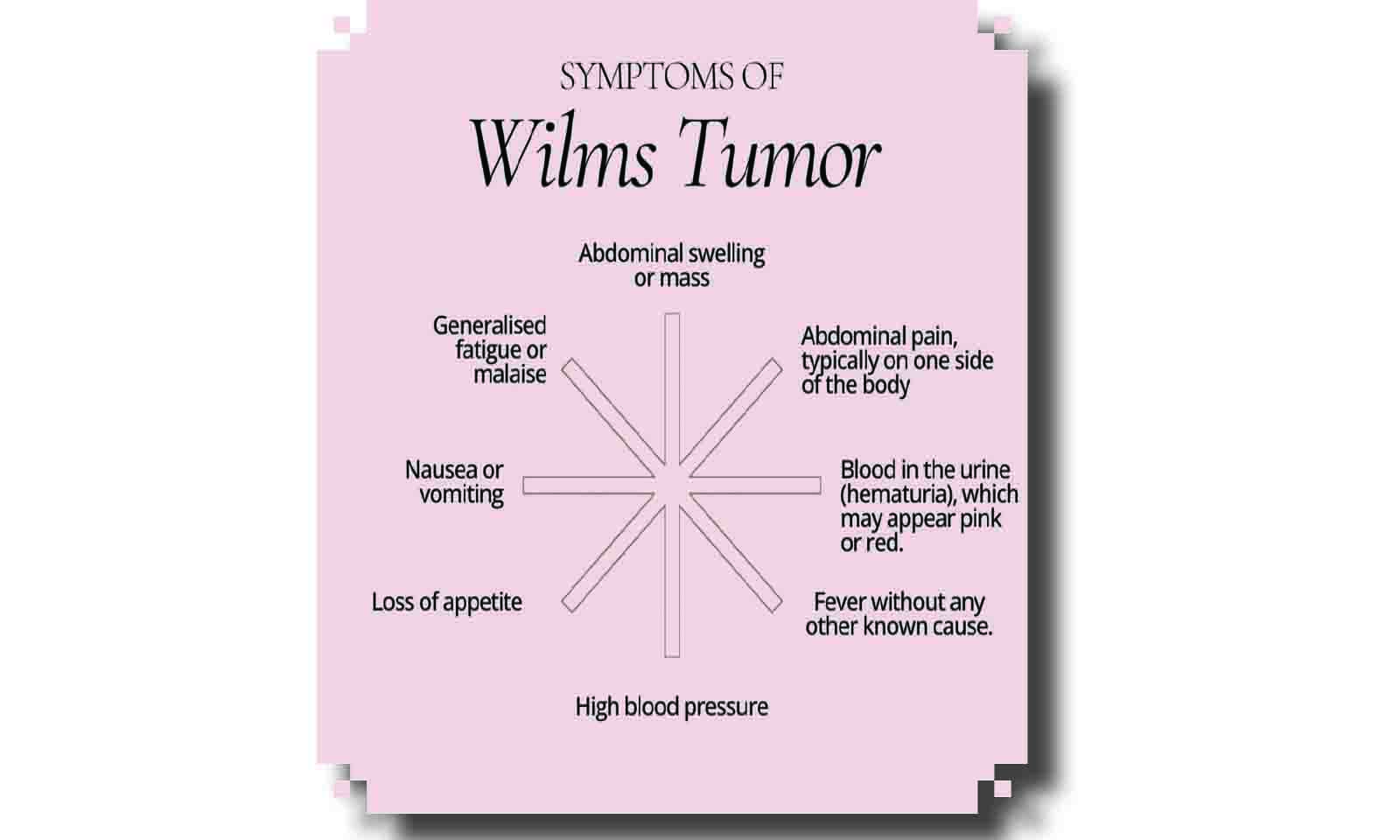
“I just want her to go to school like other children,” said her mother. “That would be my greatest joy.”
Ashley’s story is not only a miracle of faith but also a reflection of the growing excellence within Zimbabwe’s public health sector.
At Parirenyatwa Group of Hospitals, where some of her treatment took place, life-saving milestones have been unfolding.
In October 2025, a joint team from Parirenyatwa and Trauma Centre performed a successful open-heart surgery for a mitral valve replacement, marking a new chapter in the country’s medical history.
In July 2025, the hospital celebrated its tenth successful paediatric cardiac surgery, maintaining a 100 percent success rate.
In March 2024, the hospital conducted the country’s first video-assisted thoracic surgery, removing a lung and a tumour using camera technology alone.
And just last week, another medical marvel took place at Parirenyatwa: doctors successfully removed a 10-kilogramme ovarian cyst from a 31-year-old Harare woman who had lived with the growth for three months.
“She could not breathe, she could not eat, and she could not even pass stool properly,” said Dr Simbarashe Madombi, the specialist gynaecologist who led the surgery.
According to research, about eight percent of pre-menopausal women develop significant ovarian cysts requiring medical or surgical treatment.
“The cyst covered her entire abdomen, but we managed to remove it completely and she is now recovering well,” said Dr Madombi.
These achievements form part of a wave of medical progress sweeping through Zimbabwe’s flagship referral hospital. The facility has also upgraded its renal unit, opened a modern 21-bed dialysis section and refurbished its operating theatres, including a dedicated paediatric theatre.