Online Reporter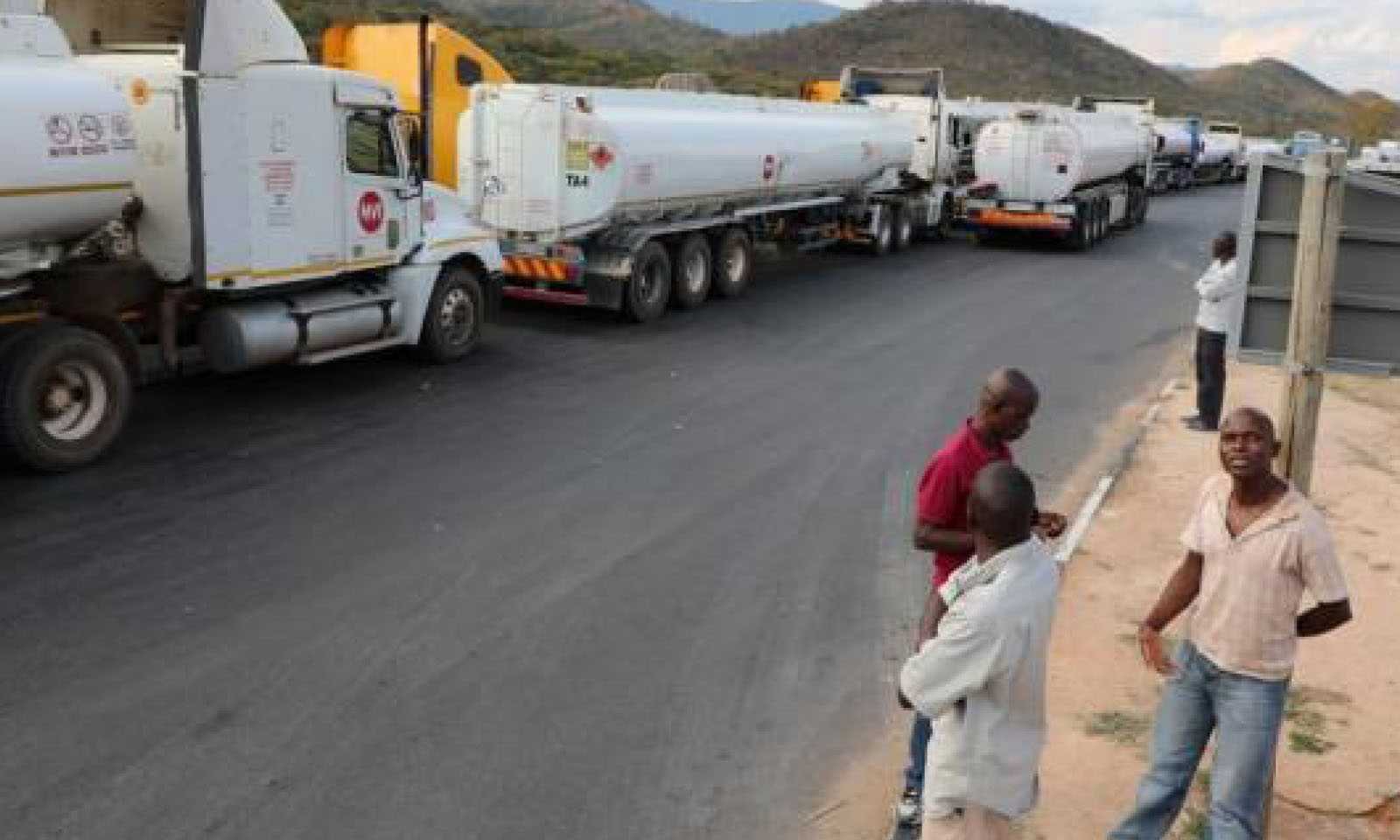
Senator Monica Mutsvangwa
The frenetic growth of the economy courtesy of President Mnangagwa and his Second Republic is opening up new opportunities.
Manicaland’s Mutare-Beira Corridor is roaring back to life as it becomes the gateway to global markets.
For the first time in six decades, Zimbabwe is exporting more through Forbes-Machipanda border post than Beitbridge.
In 1965, Rhodesia’s Unilateral Declaration of Independence invited UN sanctions. These saw freight volumes slumping as Beira became a quarantined and patrolled port.
The year 1975 saw further aggravation as then Mozambican President Samora Machel opted to host ZANLA in an intensified onslaught of the Zimbabwe national liberation war. The border was thus totally shuttered.
The attainment of independence in 1980 brought with it no respite as apartheid South Africa waged a proxy war against Zimbabwe and Mozambique through supporting RENAMO’s destructive banditry.
This saw Durban port, which is 2 000km far away, being foisted upon manacled Zimbabwe and a hapless SADC as the port of global commerce.
The horrendous inflation factor in subregional logistics financed apartheid coffers and its military destabilisation agenda. Political lethargy and economic atrophy in the First Republic just could not redress this anomaly.
Come, “ED Delivers!”. In the past six years since, nearby Beira has noticed a formidable turnaround. The Indian Ocean region is now readily accessible, so is the nearby Pacific Ocean economic hinterland.
Booming Asia and its newly minted middle class are hungry for Africa’s minerals and agro produce. There is China, the second largest global economy, and its 1,4 billion consumers. Add to this India’s 1,45 billion people in the worlds fourth largest economy, and Japan and Korea with their combined 200 million consumers.
The capital exporting Middle East perched atop the world’s largest fossil fuel deposits is another beckoning market ripe for the picking.
Back to the future of the Munhumutapa kingdoms of the medieval Great Zimbabwe civilisation. Zimbabwe-Mozambique economic twinning is poised to deliver prosperity from the logistics sector.
There are many opportunities for small and medium-sized enterprises (SMEs) in transport, freight-forwarding, warehousing and bulk-handling sectors.
To top it all up is the varied produce from the diverse micro-climates edge of the Zimbabwe plateau as it cascades down to the Indian Ocean coastal plain.
There is tea and coffee, avocadoes, peaches, plums, prunes, various nuts such as macadamias, almonds and bananas, paw paws, pineapples and apples
All in all, there is a horticultural produce bonanza for a burgeoning SME agro-industry. Tourism also presents growth opportunities for the SMEs.
Victoria Falls never ceases to enthral as the world’s largest waterfall.
Forbes Magazine was right to be enchanted as it declared Zimbabwe as the top must-visit tourist destination.
There is also the temperate weather spiced up by world-class hotels and lodges as one watches scenic views in Nyanga, Vumba and Chimanimani. This is complemented by the nearby long beaches of Vilanculos in Inhambane’s renowned maritime reserve on the warm Indian Ocean.
Another growth node is the Limpopo River valley and its citrus estates, with core large-scale investors and satellite SME growers. With more water available, one will soon see hectares of citrus plantations.
President Mnangagwa recently headlined the SADC Anti-Sanctions Day. We need to ride on the rise of the BRICS as a new and rising economic and geopolotical bloc.
Let us introduce China’s Union Pay bank card to outplay the perennially denied US cards.
Zimbabwean merchants must be freed from the inconvenience of carrying US dollars in their briefcases and handbags as they trade in Guangzhou, China.
Rather than lament being shut out of banks of the West and their exclusionary SWIFT electronic payments, let us embrace Union Pay and the new China International Payment System, which is shaking up the digital electronic payment system.
After all, the Chinese yuan has for long been in the basket of currencies since hyperinflation began in 2000.
We need more banks to follow Stanbic and NMB in seeking Chinese and Asian investments and partnerships. These will widen and deepen SME financial inclusion in the domestic market whilst carving our new SME roles in the global marketplace of the 21st century as the growth of Asia and Africa becomes unstoppable.
The gold industry, with its preponderant SME sector, continues to deliver monetary magic through the ever-strengthening ZIG.
The financial sector and the stock markets need to innovatively spawn and grow new products to address SME financing appetite. Bonds and boutique equities can be syndicated to tailored SME financing needs.
Finance and Economic Development Minister Mthuli Ncube, and Reserve Bank of Zimbabwe Governor John Mushayavanhu should allow SME gilt trading. Gold coins and other gold products should be accepted as investment certificates at household and personal level.
The Reserve Bank of India has long employed such monetary instruments to suck US dollars out of cash safety boxes, mattresses and pillows. This move will exorcise the ghost of the hyperinflation era.
The rise of gold prices has vindicated President Mnangagwa’s faith in increasing gold reserves. Geopolitics will continue to buffet Uncle Sam’s devaluing of the petro-dollar as China keeps on its economic ascent.
After all, gold has been a faithful global currency in the 5 000 years of human civilisation. The Munhumutapa dynasty was that much enlightened. The Great Zimbabwe civilisation thrived on the back of a stable currency. And gold is everywhere in Zimbabwe.
Indian traders, especially from the Portuguese Empire’s Goa, knew where to trade in gold.
Finally, the SME gold sector needs careful handling to fully realise its gains since it was born by a 2016 Cabinet resolution. It has become Zimbabwe’s leading forex earner ahead of tobacco and diaspora remittances.
These sectors and the emergent Manhize carbon steel ecosystem and the Hwange-Palm River coal value chain all need SME management en route to fulfilling Vision 2030.
It needs attention in shaft safety, sound equipment, creative financing models, suave marketing, environment recovery and effective regulation.
A shining example is Magaya SME gold mining in Chegutu, the town with the fastest growing GDP. As the saying goes: Gold is king!
A bird in hand is still worth tending. South Africa and Zimbabwe will integrate economies with Mozambique as an energy bank. Big opportunities abound for SME growth.
The African Continental Free Trade Area (AfCFTA) with a combined population of 1,2 billion is another growth frontier for SMEs.
Zimbabwe offers an educated, organised, and disciplined labour for that is readily and rapidly gaining skills promptly turning capital to profit.
The above factors are indeed a boon for SME human skills development.
Senator Monica Mutsvangwa is the Minister of Women Affairs, Community, Small and Medium Enterprises Development