Online Reporter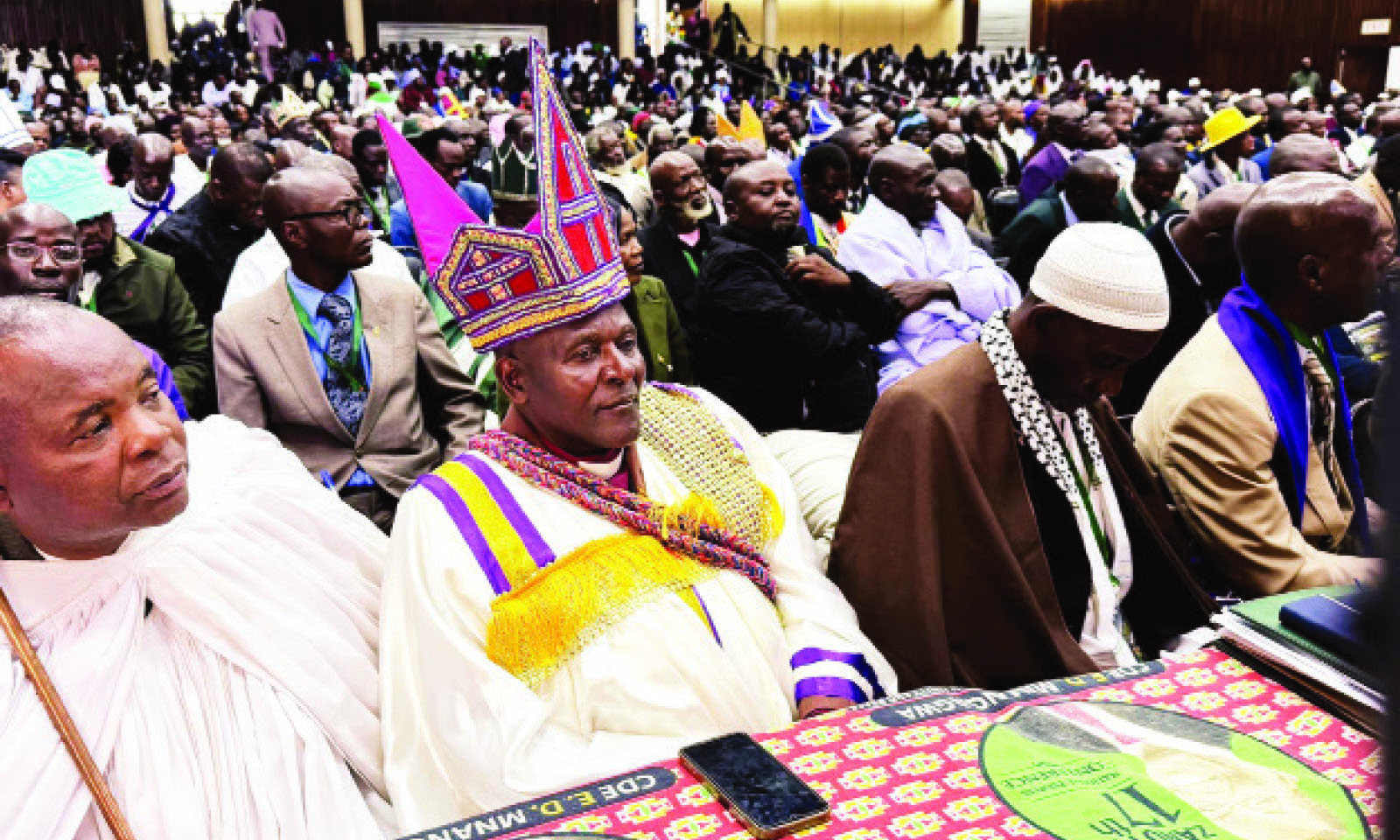
Prince Huni
THE recent National Multi-Faith Economic Dialogue held at the Zanu PF headquarters in Harare signals a major turning point in the relationship between the Government and religion. For the first time in years, faith-based leaders from diverse denominations gathered not simply to offer prayers for the nation, but to actively engage in shaping its economic future. At the heart of this historic moment is President Mnangagwa’s recognition of the strategic and moral role churches play in the national discourse.
In embracing this engagement, President Mnangagwa has taken a bold step towards building an inclusive development framework, one that acknowledges the social capital, ethical guidance and grassroots influence that churches have always carried. It is a move that deserves widespread commendation, not just from believers, but from every citizen who desires a morally grounded and socially cohesive Zimbabwe.
For generations, churches in Zimbabwe have served as pillars of society, educating communities, offering healthcare, running orphanages and standing in the gap left by economic instability and institutional breakdowns. They have ceased to be passive observers of national events. They have joined hands with the Government as active contributors to the economy, social, political dynamics of the country, often stepping in where the State struggles to reach. From rural outposts to urban centres, churches are where communities gather, grow and gain strength.
Yet despite this central role, churches have too often been relegated to the sidelines in matters of policy and national development. They were long treated as mere moral cheerleaders expected to preach peace and stability without having a real say in the direction of the nation. That era is decisively being left behind.
By inviting churches to the economic roundtable, President Mnangagwa has demonstrated a deep understanding of the full spectrum of national dynamics. He has recognised that spiritual institutions are not just temples of prayer, but engines of social development. This alignment between moral and political leadership marks a significant evolution in Zimbabwe’s governance approach under the Second Republic.
The National Multi-Faith Economic Dialogue was more than just a symbolic gesture. It was a strategic initiative aimed at integrating faith-based institutions into the national conversation on economic growth, poverty alleviation and social cohesion. Religious leaders from various denominations mainline, Pentecostal, Apostolic, Islamic and traditional converged with a shared vision of contributing to Zimbabwe’s rebuilding journey.
What stood out the most during the dialogue was the overwhelming sense of appreciation from church leaders. For years, many had felt excluded from the decision-making process, treated as spectators in the nation’s affairs. This time, they were welcomed as partners, collaborators and stakeholders.
It is a testament to President Mnangagwa’s leadership that such an inclusive platform is meant to send a clear message that politics and morality need not be adversaries, they can be allies.
The feedback from the religious community reflected a new-found confidence. Church leaders expressed their readiness to support Government efforts, not only through prayer, but through concrete actions such as mobilising communities, driving youth empowerment programmes, supporting ethical business practices and fostering national unity.
Zimbabwe’s economic challenges are not only financial; they are also deeply ethical. The fight against corruption, the promotion of productivity and the rebuilding of national trust all require more than policies and budgets, they require a moral awakening. Churches are uniquely equipped to facilitate this shift.
Faith-based organisations have long been voices of conscience in Zimbabwean society. Their ability to influence behaviour, shape values, and instil discipline is unparalleled. By incorporating churches into national development frameworks, the Second Republic is effectively tapping into a wellspring of ethical leadership that can help guide the country out of its socio-economic challenges.
The potential here is enormous. With their extensive networks and credibility, churches can lead in areas such as financial literacy, skills development, anti-corruption education and community cohesion. These are not peripheral issues; they are central to any sustainable development strategy. And by recognising this, President Mnangagwa has brought a new layer of strength to the national vision.
Another critical element of the dialogue was its demonstration of unity across denominations. In a country with such religious diversity, this coming together under one roof was a powerful image of national solidarity.
It showed that while doctrinal differences may exist, there is a shared commitment among Zimbabwe’s religious communities to the greater good of the country.
Such unity is essential in times of economic pressure and political transition. When leaders from different faiths speak with one voice on issues of national development, the message resonates more deeply with the people. This collective engagement, supported by the State, helps to heal divisions and build a sense of shared responsibility.
President Mnangagwa’s willingness to lead this engagement reflects his broader vision for a more inclusive and participatory Zimbabwe. It is not only the business community or political actors who have a role to play in rebuilding the country; everyone does, including the faith sector. This is the essence of the Second Republic’s governance philosophy: A Government that listens, includes and collaborates.
As the country moves forward, this new relationship between the State and the Church must be nurtured and deepened. The dialogue must not end with one event. Instead, it should be institutionalised through regular consultation, strategic partnerships, and policy frameworks that integrate faith-based actors in areas like education, healthcare, agriculture and youth development.
At the same time, churches must remain true to their prophetic role, providing moral guidance, holding leadership accountable and championing the interests of the marginalised. This balance between collaboration and independence will ensure that the partnership remains productive and principled.
President Mnangagwa has opened the door to a new era of church-state engagement. It is now up to both parties to walk through that door with wisdom, integrity, and a shared commitment to nation-building.
The National Multi-Faith Economic Dialogue is a crucial first step, one that could reshape the future of governance in Zimbabwe for the better.
In recognising the church not as a passive participant but as a vital force in the nation’s development, President Mnangagwa has redefined leadership in a way that is deeply rooted in the values, hopes, and faith of the people. It is a powerful reminder that development is not just about bricks and mortar but about people, principles, and purpose.