Online Reporter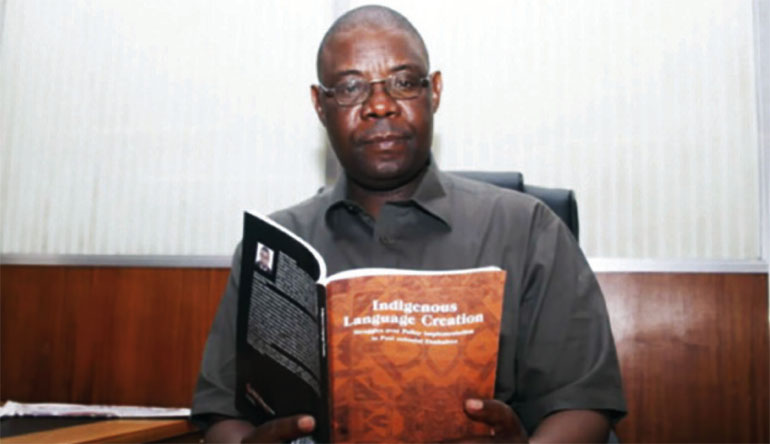
AS the nation prepares to commemorate the 46th Heroes and Defence Forces Days, Zimpapers Politics Hub Senior Reporter Richard Muponde (RM) spoke to war veteran, traditionalist, current Director of Curriculum Development at ZIMSEC and national chairman of the Fallen Heroes Trust of Zimbabwe (FHTZ), Dr Arthur Makanda (AM), on the exhumation and reburial of liberation war fighters. Here are the excerpts.
RM: For the better part of last year, the Fallen Heroes Trust of Zimbabwe (FHTZ) was engaged in exhuming freedom fighters buried in mass graves. As we approach the National Heroes commemorations, are there plans to rebury them before Heroes Day?
AM: Yes. We undertook an exercise to exhume our fallen comrades after some of their remains were exposed by rains and human activities, particularly where people were digging anthills to mould bricks. Many did not know that comrades had been buried there during the liberation struggle. Once the remains were discovered, they reported the matter and we exhumed them with the intention of reburying them.
The same happened in Sanyati, where rains exposed the remains of one comrade. When we investigated, we discovered there were actually 27 comrades buried there. After exhuming the exposed remains, we encountered difficulties locating the others.
RM: How did you eventually manage to exhume all 27 comrades?
AM: Spiritually, we were informed that we first needed to exhume two other comrades who had been burnt beyond recognition and buried about five kilometres away on the banks of the Munyati River. A spirit medium led us to an 86-year-old former Rhodesian force member who had participated in their burial, and he took us to the site. After exhuming those two comrades, we were then able, on the third or fourth day, to recover the remaining comrades.
However, all these comrades are still lying in mortuaries. Six are at Karoi District Hospital while the rest are at Kadoma Hospital.
RM: What has caused the delay in reburying the 36 exhumed former ZIPRA cadres? I understand you submitted a budget to the relevant ministry last year.
AM: I am disappointed by the inertia we are witnessing from some line officers in the Ministry of Veterans Affairs. After completing the exhumations in July, we planned to rebury the comrades in October 2025. We submitted our budget and completed all the necessary paperwork.
However, the ministry raised several issues that effectively stalled the process, including insisting that we first notify all the families of the exhumed cadres. We informed some families, although in certain cases this depended on the circumstances surrounding the deaths and the manifestations. Informing families is not a bad thing, but each case has to be handled differently.
TRM: Has the funding been released?
AM: No. To date, we have not received any funding, which is disappointing. Our intention was to give these comrades dignified reburials and achieve closure, which has four aspects.
RM: What are those four aspects?
AM: The first is to give these comrades proper and dignified burials in recognition of the sacrifice they made for the nation.
Secondly, their spirits should be reunited with their families.
Thirdly, while we know many were killed by colonial forces, some deaths were facilitated through betrayal. Some comrades were sold out after their locations were revealed to the Rhodesian forces, while others were poisoned. In such cases, there is need for appeasement. Those families who facilitated their deaths should perform kuripa by paying compensation.
For example, in Sanyati, one captured comrade revealed that after surviving poisoning, he was eventually shot by an African soldier serving in the Rhodesian forces. Since then, his spirit has reportedly troubled that soldier’s family.
RM: What should such families do to find peace?
AM: There is need for appeasement by the families of those who sold out the comrades or directly participated in their deaths. Unfortunately, many people do not understand these spiritual issues and believe they can simply pray them away. That is not possible until appropriate compensation has been made.
The fourth aspect concerns national reparations. Zimbabwe should seek reparations from Britain so that the families of these fallen comrades also receive compensation.
In our African culture, compensation is not necessarily monetary. What matters is acknowledgement of the wrongs committed and an act of kuripa. That is what brings peace to the spirits of the departed.
RM: What other issues emerged during the exhumations?
AM: As we carried out the exhumations, some comrades manifested and communicated with us. Others, buried in countries such as Mozambique, Zambia and Tanzania, also manifested, saying they wanted to be exhumed and reburied in Zimbabwe because they died fighting for this country.
Their message was simple: “We fought for Zimbabwe, therefore we should rest in Zimbabwe.” As a nation, we need to carefully consider how best to address this issue.
RM: But rituals have been performed since Independence, including bringing soil from some burial sites to the National Heroes Acre. Are they not already home spiritually?
AM: Since 1980, many ceremonies have indeed been conducted to symbolically bring their spirits home. Yet these comrades continue manifesting, saying they still want to return. That suggests something remains unresolved.
We have visited shrines and conducted rituals, yet some mass graves continue to crack and fences are disturbed. We need to ask why this continues to happen and what these comrades are asking of us.
RM: As a traditionalist who has witnessed these manifestations, what message are they conveying?
AM: Those who have manifested from Tanzania and Zambia consistently say they want to be exhumed and reburied in Zimbabwe. Every land has its own ancestral spirits, and perhaps the ancestors in those countries are also saying these comrades should return to the nation they fought to liberate.
Regarding sellouts, many affected families may remain silent for fear of stigma. However, as a nation we should examine what facilitated these deaths. Selling out did not only involve revealing comrades’ locations; it also included poisoning them. These issues need to be addressed so that affected families can come forward, acknowledge what happened and perform the necessary compensation in line with our African traditions.
RM: What has the ministry said about the budget you submitted? Have they suggested any adjustments?
AM: The ministry argued that families should have been informed before exhumations rather than afterwards. They also said each comrade should determine where they wanted to be reburied.
During the manifestations, we asked whether they preferred to return to their family homes or be buried at a designated national site. Most expressed a preference for Grand Parade in Hurungwe.
RM: Why Grand Parade?
AM: They have their reasons, which will become known when the time is right. One reason is that some comrades believe individuals buried at certain heroes’ acres were involved in betraying them during the liberation struggle. They therefore do not wish to be buried alongside those they believe sold them out, regardless of what those individuals did after Independence.
They prefer Grand Parade because it is intended as a new site exclusively for freedom fighters who died during the liberation struggle. They believe they will rest alongside comrades who shared the same sacrifice.
RM: As Zimbabwe celebrates Heroes and Defence Forces Days on August 10 and 11, what is your message to Zimbabweans?
AM: My message is that we should unite behind this noble exercise of exhuming and reburying our fallen comrades, including repatriating those still buried in foreign countries.
This is not an exercise that will be completed overnight; it may take up to five years. However, it is important for the nation. Personally, I do not support building shrines while the remains of our heroes are still lying in foreign lands. Let us first bring them home and lay them to rest with dignity.