Online Reporter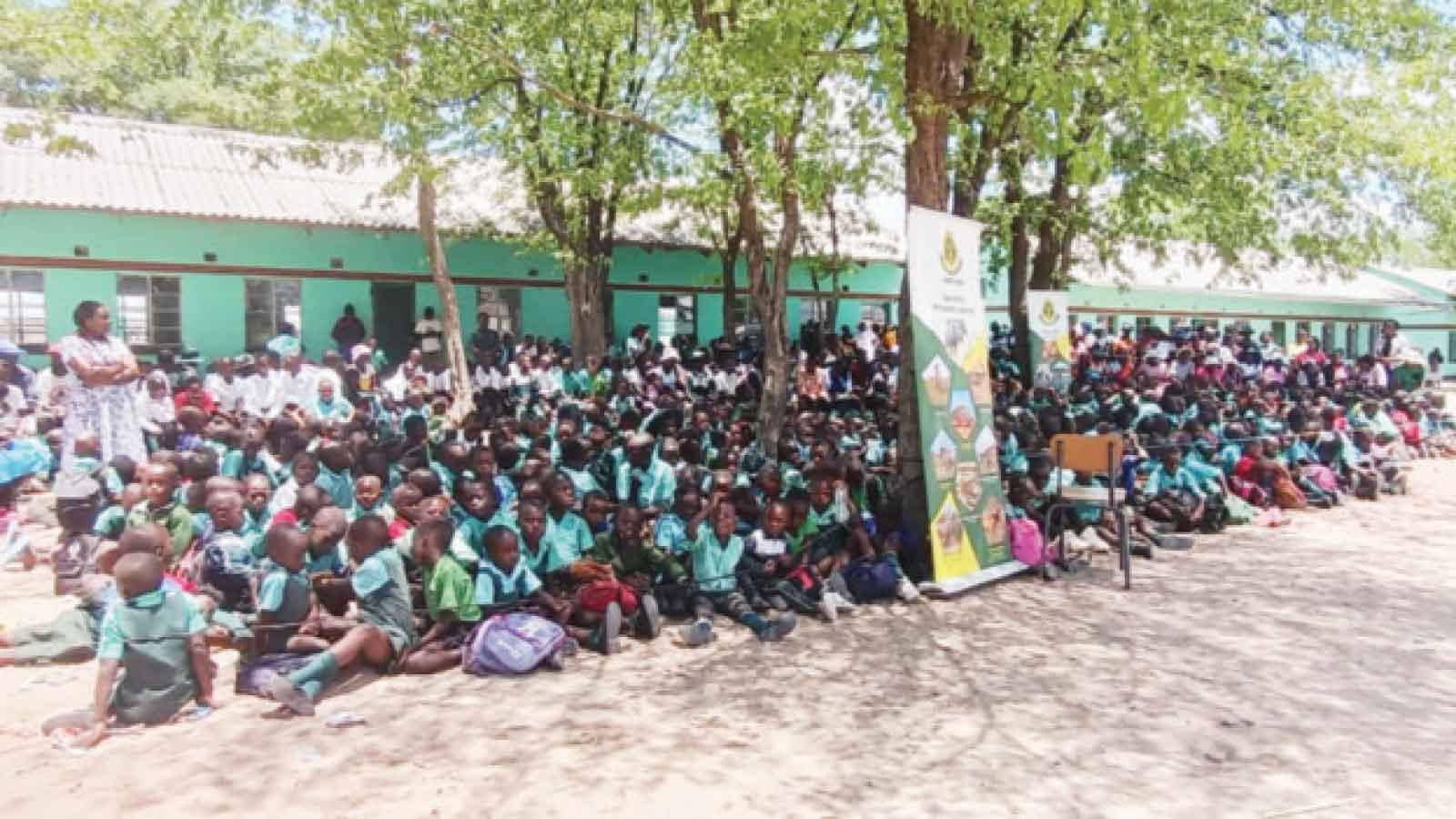
Ivan Zhakata recently in GOKWE NORTH
WHEN 13-year-old Ethel Mhlanga walked into her Grade Seven classroom at Kabuyuni Primary School last week, she was surprised to find brand-new desks neatly arranged in rows — sturdy, smooth and nothing like the cracked wooden planks she and her classmates had balanced their books on for years.
For many families in Gokwe North’s remote villages, the delivery of 82 desks to Kabuyuni Primary School and six sewing machines to Nenyunga Secondary School was more than a routine donation; it was a symbol of renewed hope and a sign that the Second Republic’s pledge to uplift rural communities is taking shape.
The initiative, rolled out by the Zimbabwe Parks and Wildlife Management Authority (Zimparks) in partnership with Carbon Green Africa (CGA) has been hailed by villagers as proof that long-overlooked communities are now being prioritised in national development efforts.
The news of the donation spread quickly across Kabuyuni and surrounding villages, prompting waves of gratitude.
Mother of three, Mrs Tendai Moyo, said the gesture would make a real difference in the daily lives of children.
“Before these desks arrived, our children were struggling to sit and learn properly. Some would sit on the floor. This support will make schooling much easier and improve their focus. As parents, we feel encouraged that our children are not forgotten,” she said.
Another resident, Mr Albert Sibanda, said the sewing machines delivered to Nenyunga Secondary School were equally transformative.
“The sewing machines will help our children learn skills that can provide them with income in the future,” he said. “We are grateful that the Government and its partners are thinking of our youth. This is what empowerment looks like.”
Mrs Sihle Tshuma, a grandmother raising two school-going children, described the development as a turning point.
“These projects show that the Government cares about rural communities,” she said.
“Our children now have better facilities and this encourages them to stay in school. It gives us hope.”
For young farmer Mr Ndumazo Nyathi, the donation represented potential beyond the classroom.
“We hope this is just the beginning,” he said.
“Support like this will help our community develop and give our children a brighter future. Education is the foundation of everything—we are happy the Government recognises that.”
Although the delivery focused on two schools, the initiative forms part of a broader national vision that has been gaining traction across Zimbabwe’s rural districts.
President Mnangagwa’s “Leaving no one and no place behind” mantra under Vision 2030 has increasingly guided the direction of development projects—from road rehabilitation and rural electrification to school infrastructure and empowerment initiatives.
For Gokwe North, a district known for its rugged terrain, limited access to services and chronic underdevelopment, such interventions are highly beneficial. Many schools in the area operate with shortages of learning materials, outdated buildings and insufficient equipment for practical subjects.
The donation from Zimparks and Carbon Green Africa, therefore, resonated deeply with villagers who have long felt the burden of marginalisation.
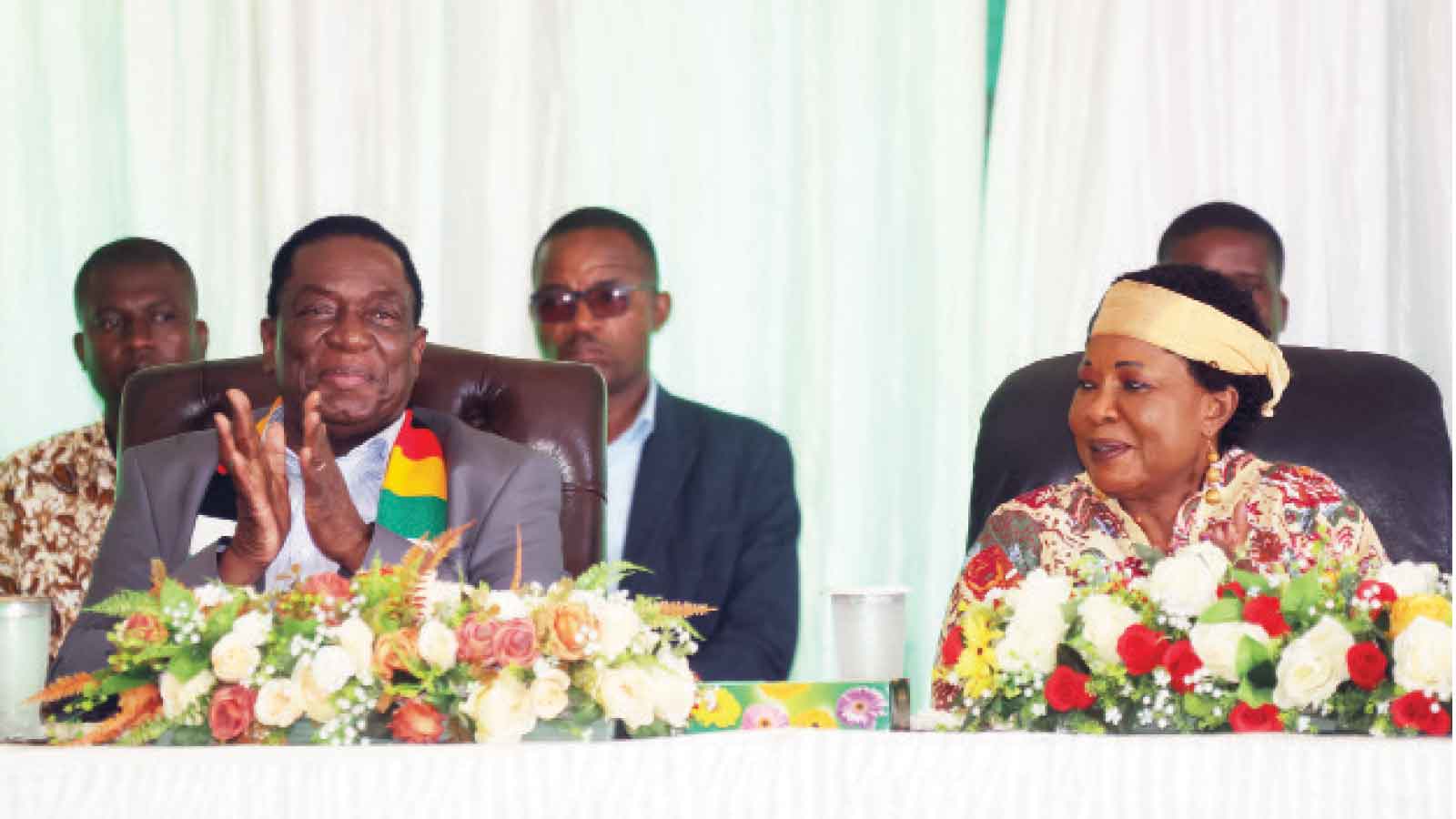
During the handover ceremony, ZimParks Director of Operations Mr Arthur Musakwa, speaking on behalf of Director-General Professor Edson Gandiwa, said the donation was part of a broader push to strengthen relations between protected areas and neighbouring communities.
“These items, though simple in appearance, represent something far greater; they are investments in the future of our children and our communities,” he said.
Prof Gandiwa said national parks such as Chirisa, Chizarira and Matusadona could only thrive when surrounding communities saw tangible benefits from conservation activities.
“Our national parks do not exist in isolation. They are connected to and dependent on the surrounding communities.
“As we hand over these items today, let them symbolise unity, progress and hope.”
Carbon Green Africa CEO Mr Charles Ndondo said the Chirisa REDD+ Project was designed specifically to ensure that communities living with wildlife shared in the gains from carbon credit programmes.
“These communities cannot be left out of benefiting from this project. They are the ones who coexist with wildlife daily and face the challenges that come with that,” he said.
He said the project had already attracted more than US$4.4 million in foreign investment, in line with the Government’s investment drive.
Although the programme experienced delays in 2023 due to regulatory changes, its audit has now been completed and is awaiting verification and validation before carbon credits can be issued.
The investment has funded a range of initiatives, including solar-powered boreholes, housing renovations, anti-poaching operations, nutrition gardens, climate-smart agriculture training and problem animal management.
“We look positively for the project continuity and more community projects should be rolled out as per community expectations,” he said.
Gokwe North Rural District Council CEO Mr David Manyau, in a speech read by Mrs Chengeto Maisiri, said the empowerment projects demonstrated how wildlife resources could be harnessed to improve rural livelihoods.
“We are happy that our schools have been equipped with desks and sewing machines, which will go a long way in advancing education in our communities,” he said.
Kabuyuni legislator Cde Spencer Chuma urged ZimParks to extend similar support to other schools and respond swiftly to human–wildlife conflict.
“This season is the time when human and wildlife conflict is worse and we plead with ZimParks to react swiftly so that we reduce such cases,” he said.
For villagers in Gokwe North, the donation has done more than improve classrooms; it has revived the belief that rural communities remain central to the national development agenda.
As children take their seats on new desks and Nenyunga learners prepare to thread their first stitches on modern sewing machines, the story unfolding in this remote district is one of restoration, empowerment and community renewal.
Here, in one of Zimbabwe’s least developed areas, the seeds of Vision 2030 appear to be taking root, one desk, one sewing machine and one hopeful village at a time.