admin
admin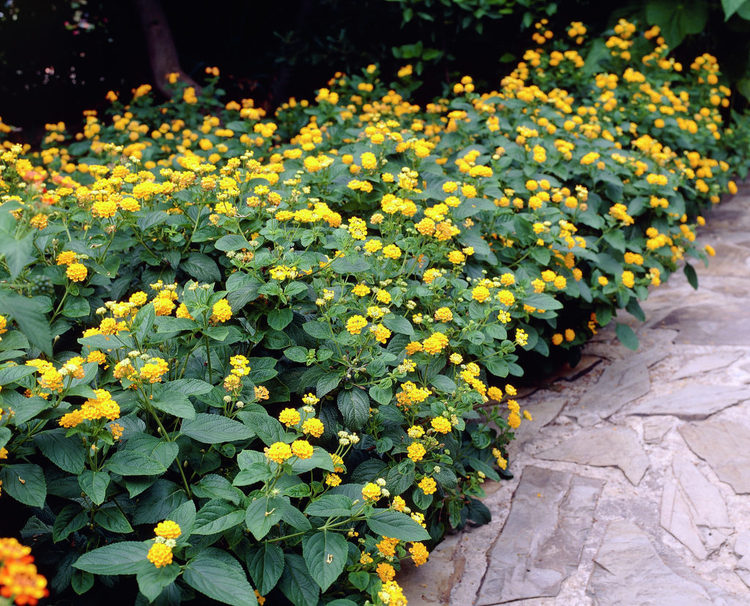

This installment is a continuation from last week. We are exploring garden plants that can be harmful. However, these plants need not scare you if you take the necessary precautions – the main risk only come when you leave unattended children in the garden.
Plants of the genus euphorbia mostly produce latex, which is both caustic and irritant. The plant causes blistering of the skin. If latex is dropped in the eye it causes intense pain and temporary blindness, and in severe cases the loss of the eye. It is important that plenty of water is used to wash the eye before rushing to the hospital. Examples of plants in the euphorbia family are euphorbia ingens, euphorbia tirucalli and euphoria cotinifolia, a favourite of many for hedges.
Purchasing the gloriosa superba, the flame lily on roadsides during the rainy season is discouraged as the plant is also poisonous. Symptoms of poisoning include numbness of lips, tongue and throat, diarrhea, vomiting, convulsions and difficulty to breath. lt can lead to death.
The white syringa (melia azedrach) is a very common exotic tree in gardens with most of its victims being children who would have eaten the brown fruits. Symptoms of poisoning are nausea, vomiting, diarrhea, labored breathing and palpitation. However, the leaves of the syringa tree can be used as an insecticide in the garden.
Many cattle ranchers are familiar with the poisoning symptoms of lantana camara, notably the photosensitisation of the animal. In children, poisoning occurs if they consume the green un-ripened berries resulting in stomach irritation, muscular weakness and circulatory collapse.
The climbing ivy, hedera helix is another culprit. If children eat the berries, which are fortunately not too common, they experience labored breathing, excitation and convulsions.
Equally invasive as lantana camara is the castor oil plant, ricinus communis which profusely propels its seed far away from the parent plant. lf consumed, the beans cause severe irritation, hemorrhage of the digestive tract, resulting in profuse vomiting and diarrhea, dehydration and scanty urinating.
Severe poisoning can occur with the consumption of a few beans.
For the hydrangea lovers, poisoning by this garden relic causes nausea, vomiting and diarrhea. The thorn apple, datura stramonium is not really an ornamental plant but is more of a weed, which if left unchecked can invade the garden. Symptoms of poisoning include dryness of the mouth and throat, dilation of pupils, in coordination, retention of urine, hallucination, muscle twitching, drowsiness, nausea and coma. Solanum nigrum is also a common weed which is referred to as the black night shade. lt has yellow round fruits like small tomatoes.
Solanum nigrum belongs to the tomato family, the unripe tomatoes can be injurious to health. It causes headaches, elevated temperature, dizziness, speech impairment and unconsciousness.
Tomato leaves can cause illness and death to pigs whilst potato haulms can cause abdominal pain and vomiting. Also stay away from green potatoes, cover these with soil and harvest them when they mature.
Andrew is a horticulturist and can be reached by email at [email protected]



 Online Reporter