


 Online Reporter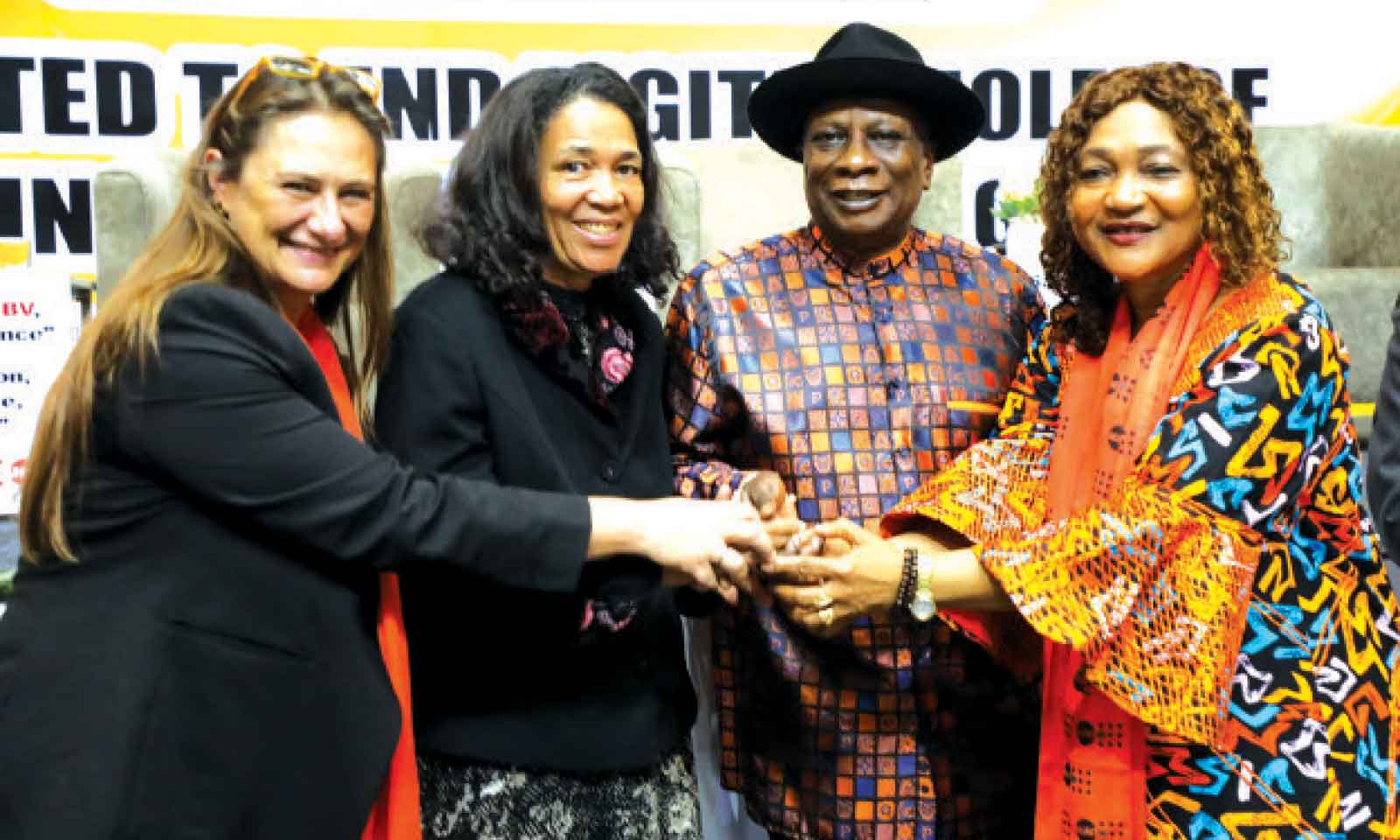
Rumbidzayi Zinyuke
Senior Reporter
Zimbabwe could be losing more than US$1,36 billion each year due to the economic impact of gender-based violence (GBV), representing nearly 4 percent of the country’s gross domestic product (GDP).
This is according to preliminary findings of a study on the economic costs of GBV in Zimbabwe, commissioned by the Ministry of Women Affairs, Community, Small and Medium Enterprise Development in partnership with the World Bank and New York University.
Presenting the findings at the national launch of the 16 Days of Activism Against Gender-Based Violence campaign in Harare yesterday, technical specialist for Gender, GBV and Humanitarian Response at UNFPA Ms Janneke Bienert said GBV was a significant obstacle to the country’s development.
“Resources that could be channelled into national development are diverted to address the immediate and long-term consequences of GBV,” she said.
“So, by quantifying its cost, we can make informed policy decisions and allocate resources more effectively, framing GBV as a public welfare and economic development problem rather than solely a social issue.”
The study shows that health, justice and social services account for about US$55,2 million, while productivity losses contribute an additional US$138 million, representing 0,39 percent of GDP.
The largest share comes from intangible and intergenerational costs, including psychological distress, reduced quality of life and impacts on children exposed to GBV, which together account for nearly 2,2 percent of GDP, or US$744,5 million.
The study also indicates a 14,8 percent increase in economic costs since 2018, underlining the urgent need for prevention and policy intervention.
Comparatively, Zimbabwe’s GBV economic burden is slightly lower than South Africa’s, where costs are estimated at 5,9 percent of GDP, largely due to higher justice system expenditures and productivity losses.
Ms Bienert urged investment in GBV prevention as a strategic economic move, highlighting potential returns in public health savings, increased productivity and reduced intergenerational trauma.
This year’s 16 Days of Activism against GBV campaign is running under the theme “United to end digital violence against all women and girls”.
In her address, Deputy Minister of Women Affairs, Community, Small and Medium Enterprise Development Jennifer Mhlanga emphasised the urgent threat of digital gender-based violence, particularly as more social and economic activities move online.
“While the digital world holds extraordinary promise for education, economic freedom, innovation and expression, for many women and girls, it has also become a space of harm where harassment, threats, exploitation and abuse thrive behind screens and anonymity,” she said.
“With rising cases of online harassment, cyberstalking and digital exploitation, particularly affecting young women and girls, digital violence has become as widespread and harmful as offline abuse, cutting across all socio-economic, cultural and geographic divides in Zimbabwe.”
Deputy Minister Mhlanga said GBV was not only a social issue, but an economic burden to individuals, families, workplaces, communities and the nation.
“Protecting women and girls is an everyday commitment and we should ensure that we make the digital world a safer place to be,” she sad.
UN resident coordinator Mr Edward Kallon highlighted the growing threat of technology-facilitated GBV.
“In an increasingly connected world, technology offers immense potential to empower, educate and connect people. Unfortunately, for too many women and girls, the digital space has become another site of fear, harassment and harm,” he said.
Musasa Project director Ms Vimbai Mutendereki said the extreme under reporting of digital violence was a major drawback as it had hidden economic and social costs.


 Bongani Ndlovu