admin
admin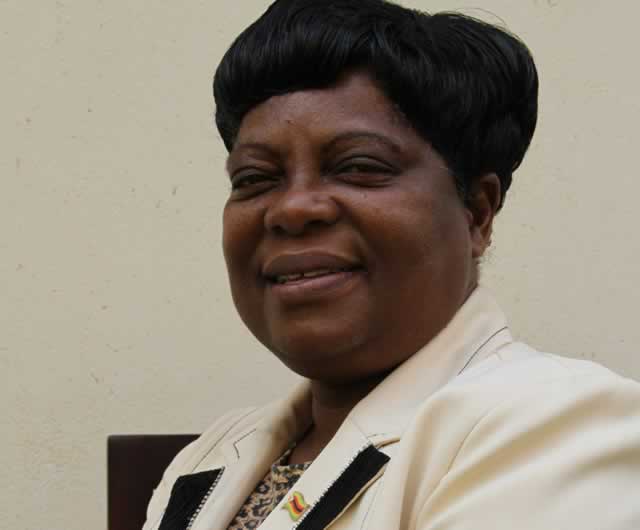
Elita Chikwati Senior Reporter
Ministry of Information, Media and Broadcasting Services Deputy Minister Thokozile Mathuthu has said gender balance is achievable in the media industry as Government encourages equality in all sectors. She said this while officially opening a three-day Women in News Summit in Harare yesterday. The summit was attended by female journalists and media practitioners from Zimbabwe, Kenya, Botswana, Malawi, Zambia, Lesotho and Tanzania.
Deputy Minister Mathuthu said Government was concerned with gender imbalances in the newsrooms, where the number of men is disproportionately higher than that of women. She said gender imbalances in the media industry were a colonial legacy, which was gradually being addressed by the continuous training of women journalists.
“Gender balance in the newsroom is a global challenge just as it is a national issue for Zimbabwe. Gender balance is a national objective. “The Constitution states that the State must promote full gender balance in Zimbabwean society on the basis of equality with men.
“The State should take positive measures to rectify gender discrimination and imbalances resulting from past practices and policies.
“Gender balance is achievable but as a process,” she said.
She commended organisers of the summit for working towards promotion of gender balance especially at decision making levels.
“We definitely would like to see more women chief executives at the helm of many media organisations and as editors in many of the newsrooms.
“Training is very important and my ministry is happy that we are beginning to see more women going for media studies at our tertiary institutions,” she said.
She said Zimbabwe had a good media environment which was guided by two pieces of legislation, namely Access to Information and Protection of Privacy Act (AIPPA) and the Broadcasting Services Act (BSA).
She said it was unfortunate that detractors were criticising those pieces of legislation without reading or understanding them.
“In the majority of cases, those pushing for the repealing of AIPPA and BSA have been doing so not on professional grounds but on political grounds, leading to media polarisation in the country.
“Regrettably, certain sections of the media in Zimbabwe have been complicit in this propaganda against our media laws.
“Perhaps sanity and professional sense will prevail someday in the not so distant future with women in leadership positions in this important sector,” she said.
Deputy Minister Mathuthu said clauses in the AIPPA were found in world statutes, primarily those of the Western world.
She said AIPPA was crafted based on the research carried out by the ministry regarding what was obtaining in the leading democracies and was subject to serious stakeholder debate and input before legislators passed it into law.
“Registration of newspapers and accreditation of journalists is a universal and administrative practice the world over, which does not take away media freedom or freedom of expression, otherwise the cradles of democracy would not have been accrediting journalists or registering newspapers in their own jurisdictions,” she said.
Media expert from Kenya Ms Christine Nguku said the media industry was faced with challenges in terms of satisfying the audience with the appropriate information.
“We should see what the audience is looking for and how the audience wants to hear and share information and check if we are meeting these needs,” she said.
MISA projects officer Mrs Kholiwe Majama said the media industry was now under pressure from the social media.
“The audience now has access to news on the social media and it circulates faster. We should be more audience centric and make a social impact on the people.
“Due to harsh economic conditions, the media is now more concentrating on selling the paper than considering the needs of the audience,” she said.


 Online Reporter