Chronicle Editor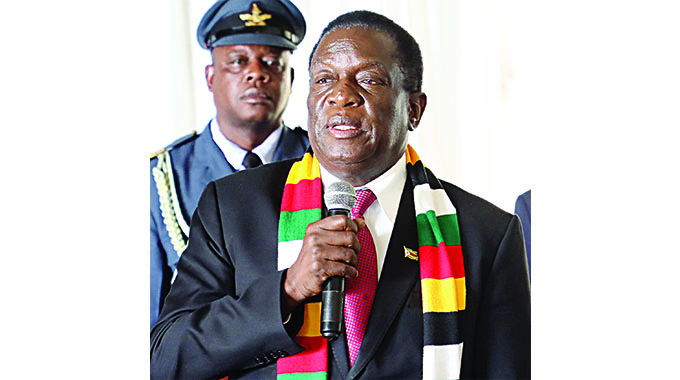
Stephen Mpofu, Perspective
Where are the unmitigated, patriotic Zimbabwean historians to pen a holistic account of how black people in our motherland broke away from bridles with which those without knees tried perpetually but in vain to keep those that they ruled permanently in their racist lap, but with some of the gallant sons and daughters of the soil sacrificing their lives during the struggle for freedom and independence that we all enjoy today?
Zimbabweans are known among people boasting the highest literacy rating on the African continent.
That sounds very well, but is that rating not a reference to functional literacy – the mere ability to read and write and not otherwise?
The extent to which industrialisation and other strides in various allied economic initiatives since independence in 1980 are ample demonstrations of the power of literacy thanks to higher education as demonstrated by many tertiary institutions that have come into existence since the onset of uhuru, 42 years ago.
What seems, in this communicologist’s view to be THE anomaly in the case in point in this discourse is that too much freedom and independence have left historians and other people in a comfort zone instead of reminding everyone about the arduous journey some of our people struggled to free the motherland from oppressive colonial rule so that the same struggle must continue to take our free country into a brave new future for all.
Highly literate that Zimbabweans are, one would have expected the liberation history of this country from colonial Britain to be a compulsory read in schools for born-frees – and foreign visitors here – to know that the freedom and independence that we all enjoy today did not drop overnight from heaven, like manna, but that some of our people laid down their lives to be where this country is today.
That President Emmerson Mnangagwa, a stalwart of the liberation war himself, wrote, YES WROTE, on heroes day nearly a fortnight ago a holistic history of the armed revolution that retrieved our motherland from the racist knuckles of colonialism by posthumously conferring liberation heroes statuses to Reverend Ndabaningi Sithole and Cde James Chikerema among other heroes for the pivotal roles they played in the liberation of the motherland must surely be seen by many, as does this writer, as an indictment on historians for sleeping on the job instead of reminding us all of the terrible lives we once lived as captives of foreigners who remain intent today on recapturing unpatriotic Zimbabweans as their stooges to implement imperialist machinations in exchange for whatever heinous price is offered but with the sellouts not necessarily exempt from the evils that might befall fellow Zimbabweans should neo-colonialism become a reality for all of us.
With the liberation history of this country serving as a catalyst, today’s and tomorrow’s children will forever be reminded of the perilous journey the motherland suffered at the hands of those ”without knees” – as blacks described whites on their first arrival in our country wearing long trousers concealing their knees – and never ever again lower our guard for a return of those who once rode on our backs as though blacks were their god-reared ponies.
While we are still on the dysfunctional comfort zone it is also tragically ironic that parastatals in our country also appear to have become places of too much comfort for some employees to forget why they hold down positions in those entities.
A story published in this paper three days ago said that the contribution to the Gross Domestic Product by 107 parastatals had dropped from 40 percent in the 80s to less than 10 percent at present.
(A parastatal is a company, agency or intergovernmental organisation that possesses political clout and is separate from the government, but whose activities serve the state, either directly or indirectly.)
In the 80s, just after independence, parastatal employees still felt the rigors of oppression from which the country had just emerged and so put in their best performance to prevent a relapse into colonial underdevelopment, but fell into comfort zones as the years passed and along with fears of recolonisation and racist oppression to the extent that now workers in those entities stand accused by their authorities of nepotism on appointment of management, corruption, uncontrolled serving periods and remuneration for chief executives and board chairs, staff getting loans clandestinely, board holding too many meetings for the sake of getting sitting allowances, failing to hold annual general meetings and submitting audited financial reports, according to worried authorities.
A picture painted of the gross anomalies in point in the account above is surely a strong case for a revamp of unmitigated patriotism to serve the motherland so that parastatals do not become roadblocks to economic and social development that must take our motherland to a continuous brave new future for generations and generations to come.
In retrospect, therefore, a strong urgent case appears necessary for the government or other institutions responsible for parastatals to wield stiff brooms and sweep away administrators and workers, now the riffraff making some parastatals stink, as it were, in the noses of the second republic government which is doing everything possible to develop our country and, in the process, transform the lives of Zimbabweans without exception.
Forty-two years of independence is certainly not too long a period for Zimbabweans to forget the thesis of the armed revolution that freed us from foreign oppressive rulers who regarded the countryside where the majority of Zimbabweans still live today as the ”periphery” or backyard or something beyond the boundary of urban areas which became homes away from home for our racist colonial rulers.
A aluta continua, or the struggle to continually transform Zimbabwe politically, economically and socially must continue without end



 Online Reporter