Online Reporter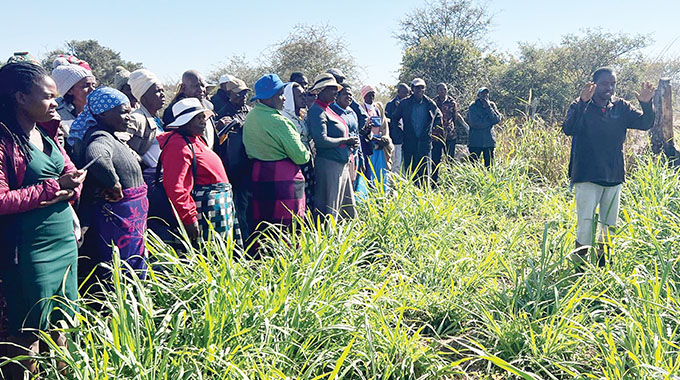
Sukulwenkosi Dube-Matutu, [email protected]
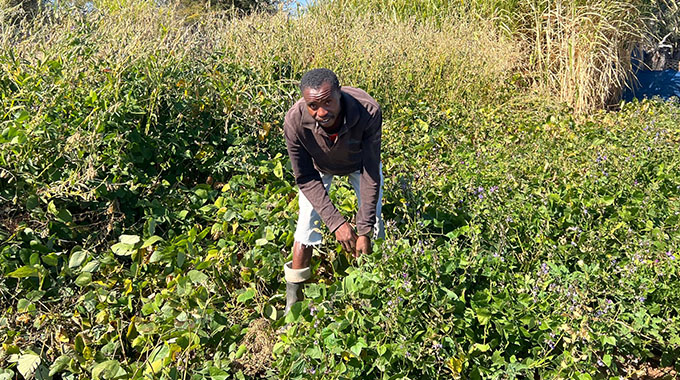
GWANDA-BASED communal farmer, Mr Ntuthuko Nyathi, has dedicated two hectares of land to fodder production in support of his goat breeding project. Among the crops he cultivates are lab-lab, sun hemp, sugar beans, lucerne, bana grass, sorghum and most recently, cactus — a plant rich in nutrients and water.
In an interview, Mr Nyathi said that investing in fodder production has enabled him to sustain his goats even during dry seasons.
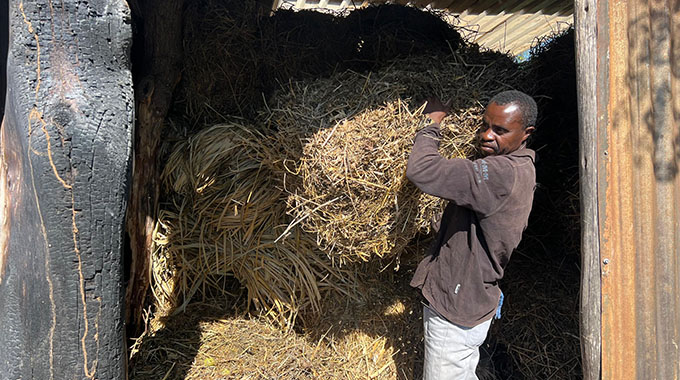
He has also established a fodder bank to preserve feed for future use, setting an example for livestock farmers seeking to maintain their herds amid climate change and dwindling pastures.
While some farmers have adopted fodder production for cattle, many are yet to embrace the practice for goat breeding, which is increasingly popular and profitable.
In Matabeleland South Province, farmers are crossbreeding Kalahari, Matabele and Boer goats, to improve their stock.
For Mr Nyathi, who crossbreeds Matabele and Boer goats, robust fodder production is essential to the success of commercial goat breeding.
“I started rearing goats a long time ago, but I ventured into commercial breeding in 2021. Initially, I wasn’t earning much from selling my goats as they were average. I realised that to improve their performance and competitiveness in the market, I needed to provide highly nutritious feed.
“To achieve this, I had to allocate land, specifically for producing feed, separate from the land used for crops for household consumption. I secured land near a water source and grazing area and began cultivating fodder crops in 2023. Since then, the condition of my animals has significantly improved,” he said.
Mr Nyathi explained that fodder crops are rich in protein and provide excellent energy for animals, noting that some varieties thrive even in dry conditions. He is also cultivating mineral-rich trees such as moringa and leucaena.
He said 80 percent of his produce is used to feed his goats, with the remaining 20 percent allocated for grazing. His goats are closely monitored and penned every night to prevent losses. He emphasised the importance of proper storage when harvesting fodder crops.
“We grow perennial fodder crops, which means we harvest them repeatedly. I’ve set up storage facilities to preserve the feed. I harvest the crops while they’re still green, mill some of them, and dry them under netted shade to retain their nutritional value.
“Other crops are fed directly to the goats as roughage. When storing feed, I treat it with molasses and salt. Milling helps when I want to mix different types of fodder for enhanced nutrition. I encourage fellow farmers to take up goat rearing as a business — it’s a lucrative venture, especially in our region. The market for goats is strong, and I sell mine across various provinces,” said Mr Nyathi.
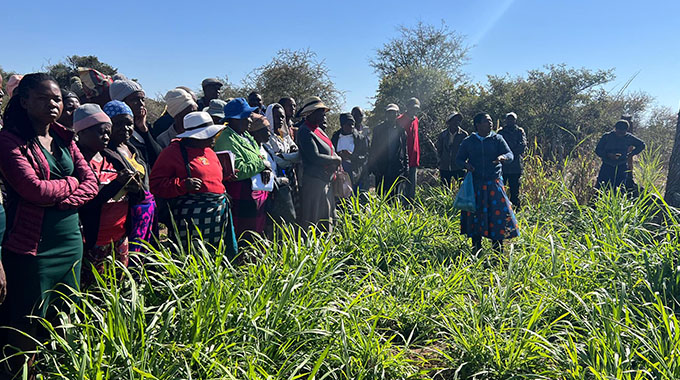
Commenting on the initiative, Matabeleland South Agricultural and Rural Development Advisory Services (Ardas) Deputy Director, Mr Bhekilizwe Ncube, urged farmers to recognise the value of goats and invest in their production.
He said farmers can grow crops such as maize and traditional grains, which serve dual purposes — providing food for consumption and stover for stock feed or silage.
Mr Ncube added that the department, through its extension officers, continues to engage livestock farmers on fodder production and best practices to enhance productivity. He stressed the importance of treating farming as a business.
“Farmers can also grow fodder crops specifically suited for goats, such as lab-lab, lucerne, sun hemp, velvet beans and bana grass. To improve the nutritional value of feed, farmers should combine fodder crops with stover. Having feed reserves is crucial during dry seasons, so farmers must plan ahead and prepare supplements for their animals. We continue to educate farmers on fodder production,” said Mr Ncube.
@DubeMatutu