Online Reporter
Ivan Zhakata
Herald Correspondent
Zimbabwe’s goat farming industry is getting a major boost as a local organisation is providing training and support to farmers.
With the country’s goat population standing at 5 million, Mash Goats is driving efforts to increase production, improve genetics and position Zimbabwe as a global player in the industry.
Speaking on the sidelines of a recent goat farming training session, Mash Goats founder Mr Tatenda Mashozhera said there is a need to equip aspiring farmers with the right skills and knowledge.
“Empowering communities with agricultural entrepreneurial skills is at the heart of what we do,” he said.
“By sharing knowledge and expertise, we hope to inspire a new generation of farmers and entrepreneurs, especially in goat farming.”
“A key focus of the initiative is to empower women in agriculture and provide an economic alternative for young people who are at risk of substance abuse.”
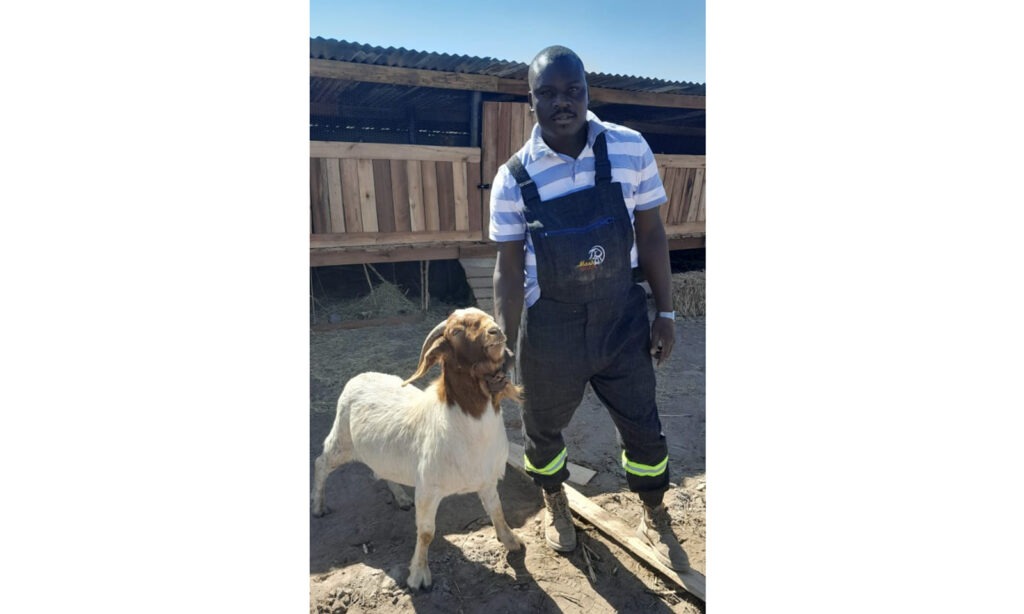
Mr Mashozhera said he believes that goat farming can transform lives by creating employment and fostering self-sufficiency.
“Goat farming is a viable business venture that can provide a steady income for many Zimbabweans,” he said.
“However, a lack of knowledge and skills has hindered many from exploring this opportunity. That is why we are committed to providing training and support.”
Mr Mashozhera said the initiative aligns with President Mnangagwa’s vision of achieving middle-income status by 2030.
“By equipping people with the skills to start their own farming businesses, we can help create jobs and stimulate economic growth,” he said.
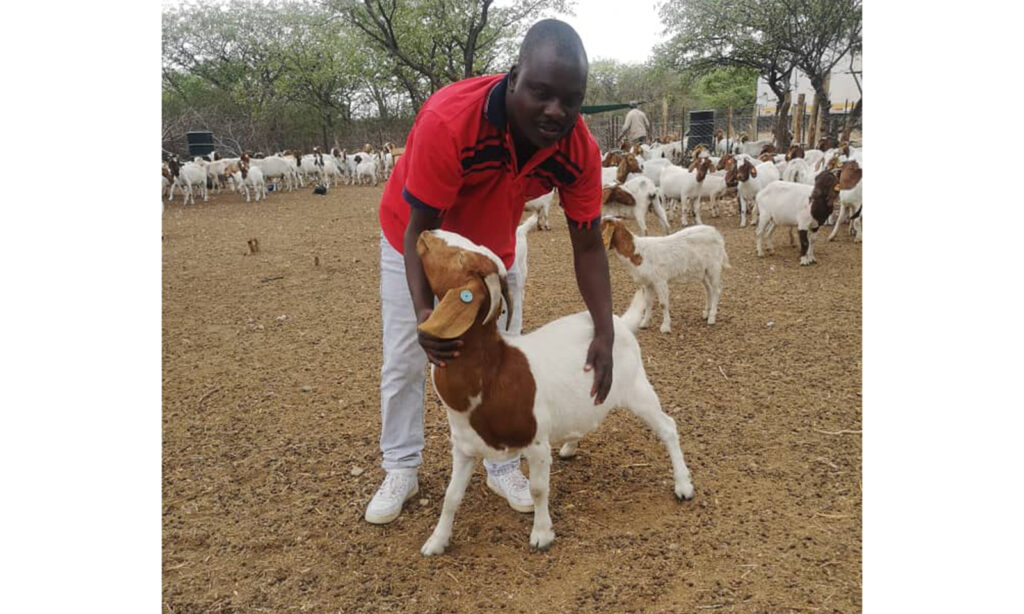
The organisation is also placing significant emphasis on genetic improvement through cross-breeding and pure-breeding.
“If we invest in better breeding techniques, farmers will see increased profits through enhanced herd quality, quantity, and long-term sustainability,” said Mr Mashozhera.
“A stronger goat industry means a more secure future for Zimbabwean farmers. However, goat farming should not only be profit-oriented; one must have a genuine love for goats. It is a long-term venture, not a get-rich-quick scheme.”
As the initiative gains momentum, Mr Mashozhera remains optimistic about its potential to transform communities.