Online Reporter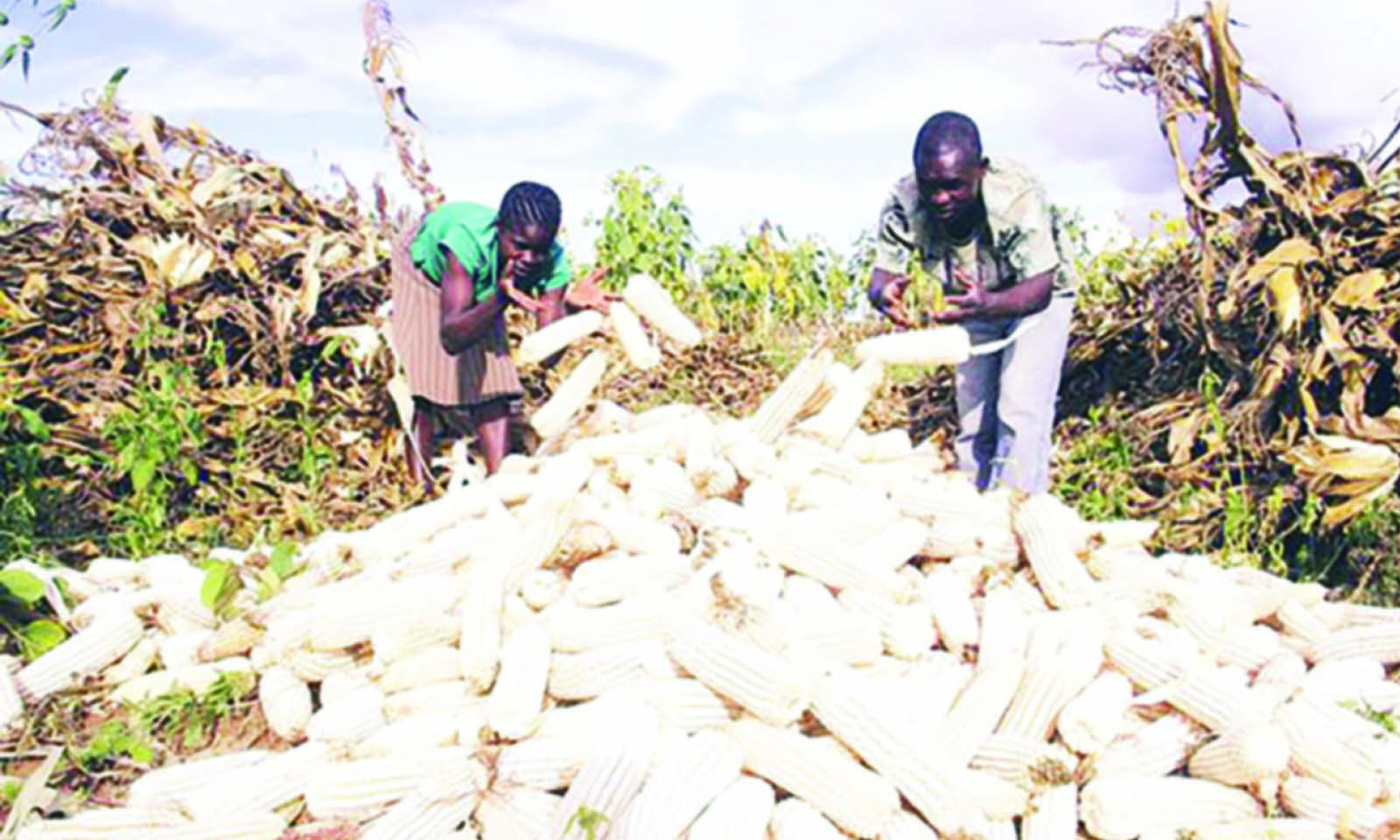
Edgar Vhera
Specialist Writer – Agribusiness
URBAN consumer demand for maize meal has taken a dip as harvests from the good 2024/25 agriculture season flood the market, causing millers capacity utilisation to decline to between 30 percent and 40 percent.
Stockfeed Manufacturers Association of Zimbabwe (SMAZ) executive administrator, Dr Reneth Mano said as a result of good harvests this season, urban consumers were no longer buying significant quantities of maize meal from supermarkets, forcing maize roller meal companies to operate at reduced capacity.
“Almost every urban family has harvested their own maize or are buying maize from nearby farms to make their own mealie meal which is cheaper than the US$6,50 per 10 kilogramme prices in the supermarket,” he revealed.
Dr Mano said smallholder communal and resettled A1 farmers were expected to retain 1,4 million tonnes of their maize harvest for family consumption and as part of the post-drought risk aversion strategy of storing enough grain to guarantee their household food security through to June 2026/27.
“This is how smallholder farmers tend to responded to El Nino-induced hunger and near- starvation experience by storing more grain for their medium-term food security,” he said.
Grain Millers Association of Zimbabwe (GMAZ) chairman, Mr Tafadzwa Musarara said demand for maize meal was low at the moment as a result of increased grain supply and other alternatives following the good agricultural season.
“Maize meal demand remains subdued due to other available food alternatives which are part of the green harvest.
“Other commodities flooding the market are Irish and sweet potatoes and pumpkins,” he said.
Knowledge Transfer Africa chief executive officer, Dr Charles Dhewa shared similar sentiments saying that the supply of diverse agricultural products on the mass food market had caused the prices of many commodities to go down.
“The mass market is flooded with over 130 value chains giving consumers many purchase options. As a result of lack of value addition many enterprises get offloaded on the market at the same time causing prices to crush,” he said.
Many consumers are now substituting maize meal with traditional grain meals like sorghum, pearl and finger millet, which are nutrient rich.
A 20-kilogramme bucket of maize grain, at the beginning of the year, had been trading at an average price of US$9 to US$10, but had dropped in certain areas to US$3, although it has started picking again to an average of US$6.
At the price of US$6 per bucket, many urban and rural consumers are now taking their maize grain to local millers where they pay US$1 per bucket to dehull and ground it to refined or roller meal.
The total cost of US$7 to US$8 for a 20 kg after grinding is still lower than the US$6, 50 per 10 kg bag of roller meal in the retail shops.
“A bucket of maize is today trading at between US$7 and US$8 while a 10kg of maize meal is being sold for US$6 to US$6. 30 on the Mbare market,” Dr Dhewa said.
He said the demand for maize meal in shops, and even at the Mbare market was a result of a variety of substitute commodities like yams, cassava, cowpeas, soyabeans and roundnuts among others.
Based on this second round of the Crop, Livestock Assessment and Fisheries Assessment (CLAFA – 2) report 2024/25 maize production this year is estimated at 2, 294 million tonnes, a 261 percent increase from 634 699 tonnes produced in the 2023/2024 El Nino drought ravaged season.
Traditional grain production is estimated to be 634 650 tonnes. Total cereal production is expected to be 2, 928 million tonnes.
The surplus cereal ranges from 811 732 tonnes to 1 225 732 tonnes using the various consumption pattens.
Ministry of Lands planning scenario uses a human consumption rate of 120kg per person per year, with regional scenario using 102kg per person per year while the country’s 2017 consumption rate is 92.4kg per person per year.