
Langalakhe Mabena, [email protected]
Gospel artistes have been challenged to stop chasing the bright lights of big stages before building sustainable careers, with industry players saying talent without business knowledge can leave musicians struggling despite having a strong following.

The call was made at the Beyond The Gift Music and Ministry Seminar held at ZimParks Headquarters in Harare on Friday, where gospel musicians, creatives and industry stakeholders gathered to discuss the business side of Gospel music.

The free seminar was hosted by Gospel musician Everton Mlalazi as part of the Market Place for the Master initiative by Harare City Centre Seventh Day Adventist Church.
The panel comprised National Arts Council of Zimbabwe chief executive officer Napoleon Nyanhi, ZIMURA board chairman Alexio Gwenzi, Gospel musician Michael Mahendere, Earground founder and arts curator Plot Mhako, and Power FM station manager Leander ‘Leekay’ Kandiero. The discussion was moderated by Yvonne Tivatye.

The seminar was also livestreamed, giving those who could not attend the Harare event physically an opportunity to follow the discussions and learn from industry experts.
The event focused on practical issues affecting musicians, including branding, royalties, copyright, music rights, streaming, digital income, contracts, bookings, marketing and financial management.
Mlalazi, who was the keynote speaker, said artistes needed to understand that their gift had to be developed and managed properly if they were to build lasting careers.
“God gives the gift, but you need wisdom to manage it. Many artistes are gifted vocally, but they don’t know how to protect their work, how to price their craft, or how to build a team,” he said.
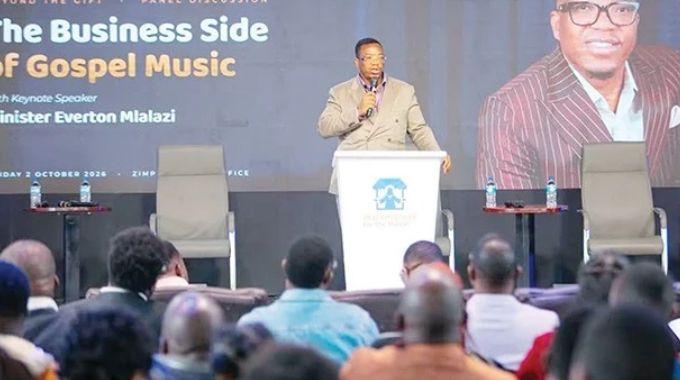
He challenged artistes to stop measuring success by the size and prestige of venues where they perform, saying they should first concentrate on building loyal audiences within their communities.
“What we have now done is that we have become people who want to go into the big stage, because that’s where the lights are, but the people are also there in Kambuzuma,” he said.

Mlalazi cited Radiance Acapella’s concert in Kambuzuma as an example of artistes taking their music to communities instead of waiting for major stages.
He said consistency could eventually attract sponsors and other forms of support.
“Imagine if you are doing something in Glen Norah. Imagine if you are doing this thing every year, trust me, in the third, fourth year, you will have people saying, we want to support you,” he said.
Nyanhi said professionalisation was critical for the growth of the music industry, urging artistes to recognise themselves as businesses.
“It’s important that artistes realise they are businesses. They make products consumed by people. Branding is important for them,” he said.
Gwenzi highlighted the importance of copyright protection, while Mhako encouraged musicians to use social media to market their brands and create additional income streams.
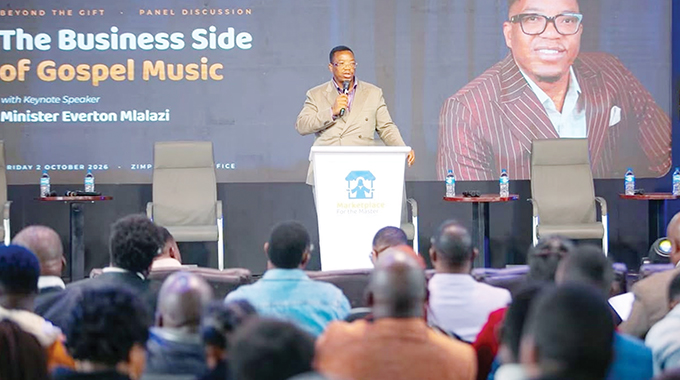
Kandiero said radio remained relevant despite the rapid growth of digital platforms.
“Radio is still relevant in this digital era. Most people still get their music on radio due to its accessibility and affordability,” he said.
For Mlalazi, the advice is not merely theoretical.
His Ekhaya Worship Festival provides a practical example of how an artiste can build an audience first and later attract support from different stakeholders.
The festival was brought to life in 2024 as a way of testing the waters, before its first edition was staged in Bulawayo in 2025, attracting about 8 000 people.
This year, the second edition drew more than 15 000 people, reflecting consistent growth over time.
The growth of Ekhaya Worship Festival demonstrates the very principle Mlalazi was preaching at the seminar, which is: build something consistently, develop a solid audience and create value, and support from stakeholders can follow.