Online Reporter
Sukulwenkosi Dube-Matutu, [email protected]
THE Government’s vision for an upper-middle-income society by 2030 seeks to ensure that people with disabilities (PWDs) have equal access to education, healthcare, employment, information, infrastructure and other essential services, Deputy Minister of Information, Publicity and Broadcasting Services, Dr Omphile Marupi, has said.
Speaking during a ground-breaking ceremony for the Nkomwa–Nkemeletje Disability Centre in Mapate Village, Ward 16, Dr Marupi said the Second Republic recognises that persons with disabilities deserve equal opportunities, just like every other citizen.
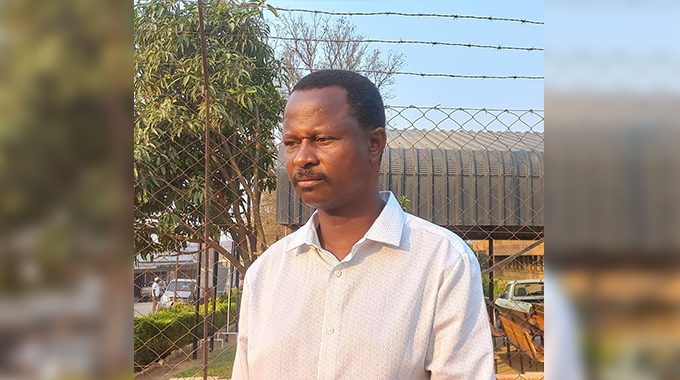
The event also marked the fifth anniversary of the Nkomwa Foundation Trust (NFT), which is spearheading the construction of the centre.
“We celebrate not just five years of existence, but five years of impactful transformation and empowerment for persons with disabilities in our communities. I extend my heartfelt congratulations to NFT for the exceptional work you do to uplift the lives of PWDs.
“Your programmes align with the Government’s vision of leaving no one and no place behind. Your commitment to community empowerment, inclusion in development committees, and vocational training shows that collective action can drive transformation,” said Dr Marupi.
Dr Marupi said the Nkomwa–Nkemeletje Disability Centre will serve as a skills hub and a model for inclusive rural development.
Since the advent of the Second Republic, Zimbabwe has taken significant steps to strengthen disability rights and promote social inclusion.
A landmark development came in June 2021 when President Mnangagwa launched the National Disability Policy — the country’s first stand-alone disability policy aimed at ending discrimination, improving accessibility, and ensuring that PWDs fully participate in national development.
The policy obligates Government ministries, local authorities, and institutions to mainstream disability rights in planning and service delivery.
To operationalise the policy, the Government established a Disability Affairs Department under the Ministry of Public Service, Labour and Social Development to co-ordinate disability programmes nationally.
PWDs have also been appointed to key public offices as part of efforts to enhance representation, while inclusive education programmes are being expanded to ensure learners with disabilities study in adapted environments.
Dr Marupi said the State continues to work with organisations such as NFT, Jairos Jiri Association, and Leonard Cheshire Zimbabwe on community rehabilitation and skills development.
“Government has also supported self-help projects and co-operatives to enhance economic independence for PWDs,” he said.
The Deputy Minister added that the media will continue to play a crucial role in shifting public perceptions about disability — from pity and stereotypes to dignity, respect and empowerment.
NFT director Mr Pick Nkomwa said the Trust had secured US$7 000 from the Australian Government to commence construction of the disability centre, which represents “a vision for a future of self-reliance and dignity”.
The multi-purpose facility will house an early childhood development centre for children with disabilities, a vocational training centre, digital and soft skills training programmes, and agricultural projects such as goat rearing and horticulture to support sustainable livelihoods.
“This initiative is a clear partnership between Gwanda RDC, the local community and NFT — a testament that inclusive development is possible when communities take ownership,” he said.
NFT board chairperson Ms Selinah Chirisa said the organisation remains committed to ensuring no one and no place is left behind.
With support from Potraz, the Trust has trained 95 PWDs from Gwanda, Beitbridge, Mangwe and Bulilima districts in digital literacy — a step that is helping bridge the digital divide and improve access to information, employment and entrepreneurship.
“In the past five years, we have built bridges between communities, institutions, and policymakers. We have challenged barriers, created opportunities, and raised the voices of persons with disabilities across Matabeleland South and beyond,” she said.
Ms Chirisa added that PWDs are now increasingly being included in community development committees — a milestone in inclusive governance and local decision-making. — @DubeMatutu