Online Reporter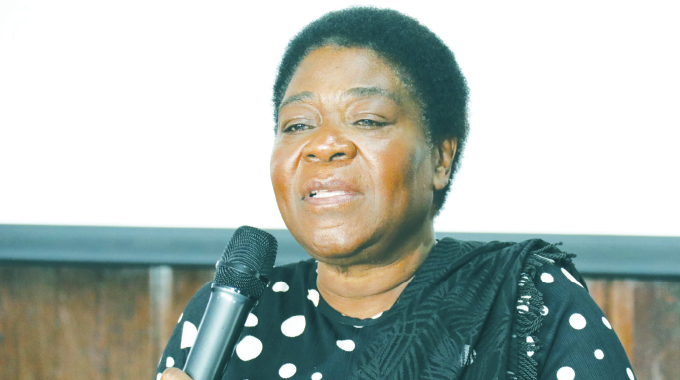
Gibson Mhaka [email protected]
ZIMBABWE’S march towards universal health coverage is gaining momentum, driven by sustained investment in healthcare infrastructure, equipment, skilled personnel and service delivery. Yet as the country accelerates efforts to transform its health sector, one truth is becoming increasingly evident: Government cannot achieve this goal alone.
Under the Second Republic, healthcare has been recognised as a cornerstone of Vision 2030 and the aspiration to attain upper-middle-income economy status. Significant strides have been made in expanding health infrastructure, modernising facilities and improving access to medical services. However, achieving universal health coverage requires resources, expertise and innovation that extend beyond what Government alone can provide.
This is where the private sector is emerging as an indispensable partner.
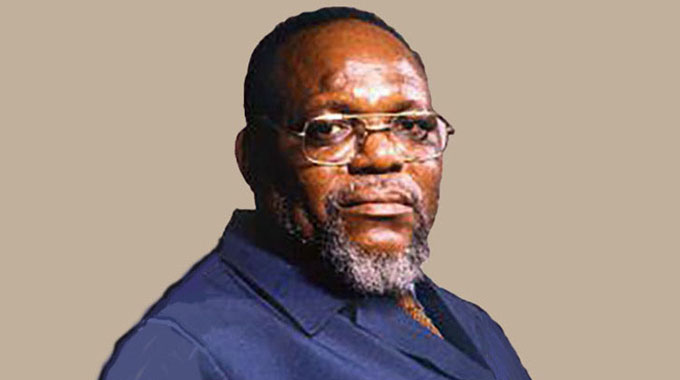
The role of private healthcare providers was recently thrust into the spotlight in Bulawayo when Cimas Health Group renamed its Bulawayo Medical Centre the Sipho Zwana Medical Centre in honour of the late Dr Sipho Leonard Vivian Zwana, one of Zimbabwe’s pioneering black medical practitioners and the country’s first black anaesthetist.
While the occasion celebrated the remarkable legacy of a medical trailblazer, it also highlighted a broader national conversation about the future of healthcare delivery in Zimbabwe.
The ceremony underscored an important reality. Government remains responsible for providing policy direction, regulating the sector and ensuring equitable access to healthcare. Yet the achievement of universal health coverage requires the active participation of private healthcare institutions, local authorities, medical professionals, communities and citizens themselves.
Bulawayo Minister of State for Provincial Affairs and Devolution Judith Ncube captured this balance well.
“Cimas Health Group, as a private healthcare provider, complements this national responsibility,” she said.
Her observation reflects a growing recognition that healthcare transformation depends not on competition between public and private institutions, but on collaboration.
Private healthcare investment helps expand the capacity of the national health system through improved infrastructure, modern technology, specialised care, diagnostics, wellness programmes and innovative healthcare delivery models.
As Minister Ncube noted:
“All these interventions expand the capacity of our health system, with the goal of improving health outcomes and building healthier communities.”
This is precisely the approach Zimbabwe needs.
The growing demands of healthcare provision require every available resource to be mobilised. Public hospitals and clinics continue to carry a significant burden, particularly in serving vulnerable and low-income communities. At the same time, private healthcare institutions have the capacity to reduce pressure on public facilities while introducing efficiencies and specialised services that benefit the wider health ecosystem.
Cimas chief executive officer Mr Vulindlela Ndlovu made perhaps the most important point of all when he urged stakeholders to focus on the patient rather than institutional differences.
“We want healthier communities. We want better access to healthcare for everyone. We want good health outcomes,” he said.
The ultimate measure of success should not be whether care is delivered in a public or private facility. It should be whether Zimbabweans receive timely, affordable and quality healthcare.
However, significant challenges remain.
Access and affordability continue to be major barriers. Medical aid coverage still reaches only a small fraction of the population, leaving many citizens dependent on out-of-pocket expenditure or public health services.
Mr Ndlovu was correct when he observed:
“We need to put our heads together as to how we can increase that coverage. Healthcare must not be a privilege.”
Those words go to the heart of the universal health coverage agenda.
Modern buildings and sophisticated equipment are important, but they mean little if ordinary citizens cannot access the services they provide. Health sector transformation must therefore focus not only on infrastructure development, but also on affordability, accessibility and inclusivity.
Bulawayo’s ambition to position itself as a medical tourism destination further demonstrates how healthcare can serve as both a public service and an economic growth sector. Investments in medical facilities create jobs, attract specialist skills, stimulate supporting industries and contribute to broader economic activity.
The renaming of the Sipho Zwana Medical Centre also serves as a reminder of the importance of investing in people.
Dr Zwana devoted more than five decades to medicine, breaking racial barriers and opening doors for future generations of healthcare professionals. His legacy illustrates how individual dedication can transform lives and strengthen institutions.
As his daughter Thandeka Zwana rightly observed:
“We thank you for showing us that leadership is not about seeking recognition, but about serving with humility and with excellence.”
That spirit of service should guide Zimbabwe’s healthcare transformation.
Government has demonstrated commitment to improving healthcare delivery. Private investors are expanding capacity. Local authorities are creating opportunities for investment. Medical professionals continue striving for excellence.
What remains is sustained collaboration.
Universal health coverage will not be achieved through Government funding alone, nor through private-sector investment alone. It will require partnerships, innovation and a shared commitment to ensuring that quality healthcare is accessible to every Zimbabwean.
The lesson from Bulawayo is clear: the private sector is not merely supporting healthcare transformation. It has become an essential partner in building the healthier Zimbabwe envisioned under Vision 2030.