Online Reporter
Raymond Jaravaza, [email protected]
THE Government has pledged to replace 6 400 kilometres of ageing water pipelines across the country in a major infrastructure overhaul aimed at curbing leakages and reducing massive losses of treated and untreated water before it reaches consumers.
Ageing pipelines have been identified as the leading cause of non-revenue water, with millions of cubic metres lost annually due to bursts and seepages between dams, treatment plants and residential areas.
In Bulawayo alone, significant volumes of water are lost along conveyance lines from supply dams — Inyankuni, Mtshabezi, Umzingwane, Lower Ncema, Upper Ncema and Insiza — before reaching treatment works such as the Criterion Water Treatment Plant in Burnside.
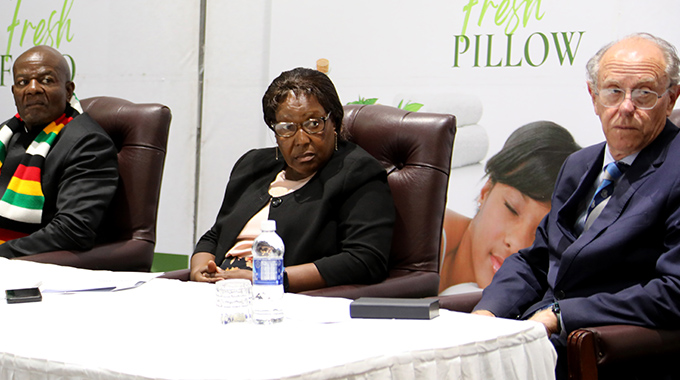
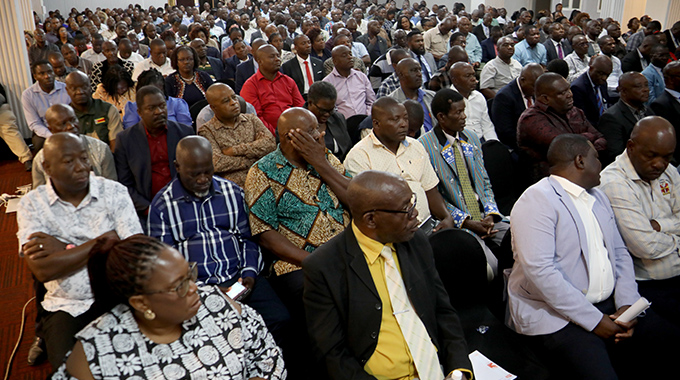
Addressing delegates at the 2026–2030 Strategic Plans Validation Workshop in Bulawayo yesterday, Minister of Local Government and Public Works Daniel Garwe said non-revenue water posed one of the greatest threats to the financial sustainability and service delivery capacity of local authorities.
“The ministry is driving a transition towards transformative smart water metering to improve accountability, monitor losses, enhance revenue collection and increase operational efficiency,” said Minister Garwe.
“Smart meters are no longer a future aspiration; they are an operational necessity. The ministry is envisaging an ambitious programme to replace more than 6 400 kilometres of ageing water pipelines to address leakages and losses at source.”
Zimbabwe’s urban water infrastructure, much of it installed more than 50 years ago, has deteriorated sharply due to rapid urbanisation and rising demand. Under the National Development Strategy 2 (NDS2), the Government has prioritised water security as a pillar of economic growth, public health and climate resilience, with reforms focusing on infrastructure rehabilitation, smart metering, improved billing systems and institutional capacity building within local authorities.
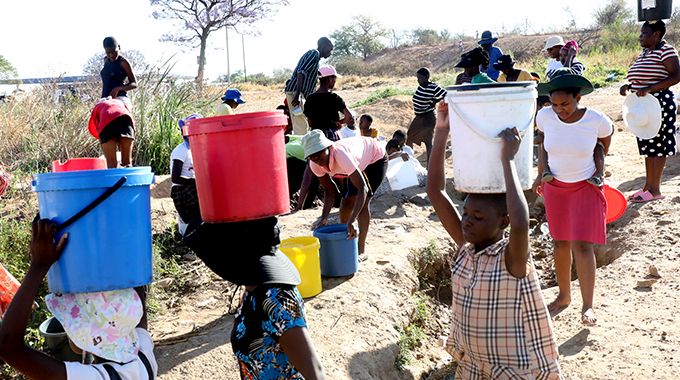
Minister Garwe said infrastructure upgrades to expand water production capacity were equally critical, noting that existing installations can no longer meet growing urban demand.
“None of these reforms will succeed without competent, motivated and ethical human capital. Local authorities must recruit, retain and continuously upskill qualified personnel,” he said.
“If councils are to deliver value to ratepayers, they must become employers of choice grounded in professionalism, meritocracy and accountability.”
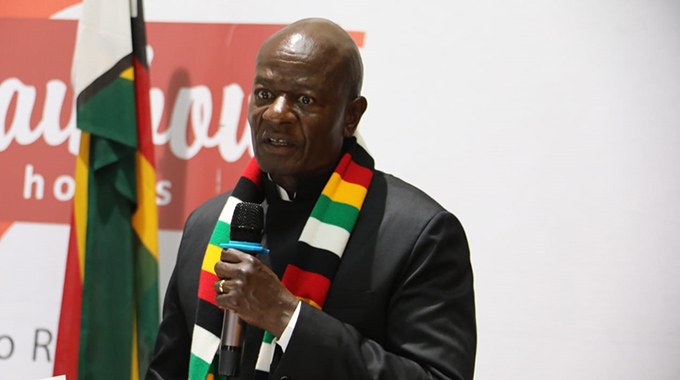
Minister Garwe said the credibility of Government was most directly tested at the local authority level.
“It is measured by the reliability of water supplies, the condition of our roads, the cleanliness of our towns and cities, and the responsiveness of service delivery systems,” he said.
“All strategic plans emerging from this process must be focused, realistic and aligned to NDS2. We are moving away from business as usual.”
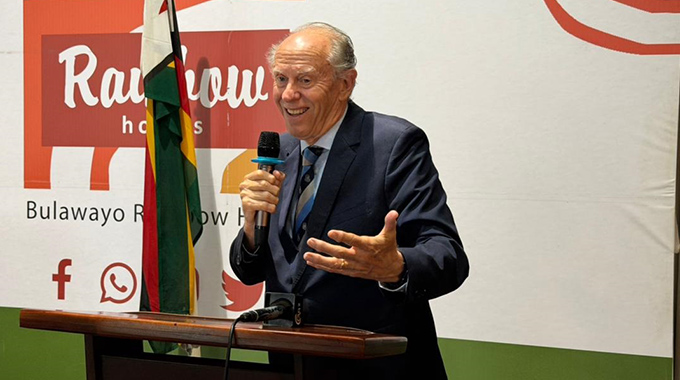
Bulawayo mayor Councillor David Coltart said the city was losing about 42 percent of its water revenue due to non-payment and system losses, describing the situation as unsustainable.
“We are facing unacceptably high levels of non-revenue water, and we applaud the Government’s initiative to replace ageing pipelines and intensify the rollout of smart water metering,” he said.
However, Cllr Coltart warned that illegal mining activities around dam catchment areas posed a serious threat to the city’s long-term water security.
“One of our dams, Inyankuni, is currently below 20 percent capacity despite the rains received so far,” he said.
Bulawayo requires an estimated US$200 million to fully replace its ageing water reticulation system, which continues to suffer frequent bursts and leaks.
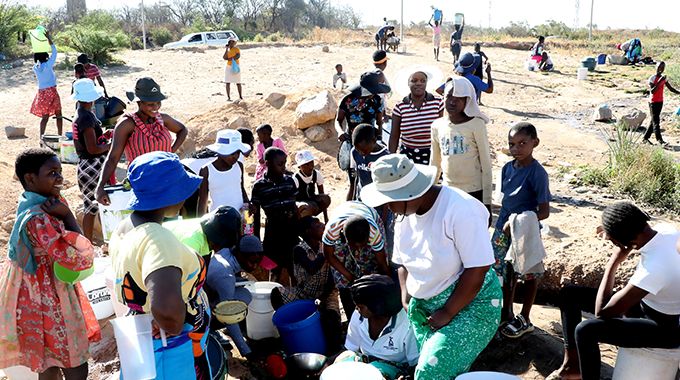
This was revealed in October last year by Ward 10 Councillor Khalazani Ndlovu, chairperson of the Future Water Supplies and Water Action Committee, who said the city’s water infrastructure was no longer fit for purpose.
“The city’s pipeline network is old and failing. To comprehensively address the problem, we need about US$200 million to overhaul the entire system,” said Cllr Ndlovu.
The city is also grappling with power shortages, which continue to disrupt water pumping and distribution.