Online Reporter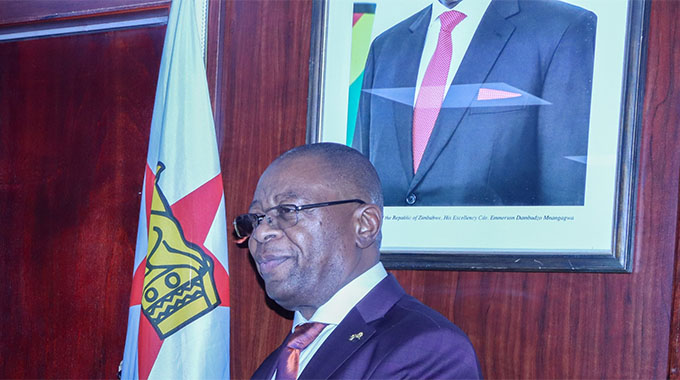
Farirai Machivenyika
THE Government has distributed anaesthetic and digital X-ray machines to 25 rural district hospitals across the country as part of efforts to improve service delivery at health institutions in remote areas, Health and Child Care Minister Dr Douglas Mombeshora has said.
This development comes as the procurement of CT and Magnetic Resonance Imaging (MRI) machines for the same institutions is currently underway.
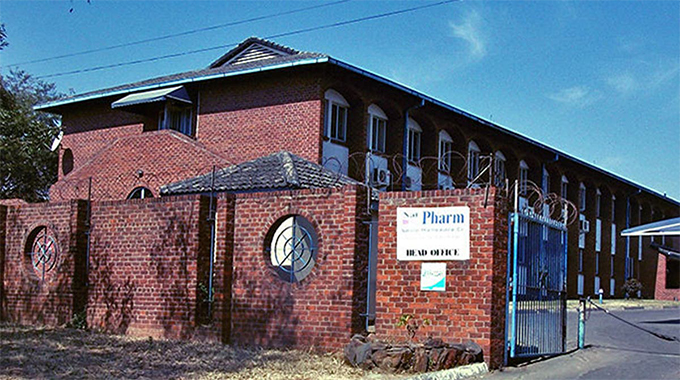
In addition, the Government has installed tracking devices on vehicles distributing medicines from the National Pharmaceutical Company (NatPharm) warehouses to ensure deliveries reach their intended destinations.
Dr Mombeshora revealed this in the National Assembly on Wednesday while responding to questions from parliamentarians regarding Government efforts to improve the availability of medicines and overall service delivery at public health institutions.

“We have a budget of US$44 million allocated for the procurement of medication. So far, we have received medicines worth US$11 million, which are being distributed to clinics and hospitals to ensure our people receive the medical attention they need.
“We also have plans to equip district facilities with machines for blood tests and X-rays so that patients no longer have to travel long distances to Harare or Bulawayo,” said Dr Mombeshora.
He said that, within the first 100 days of the year, anaesthetic machines and digital X-ray units had been distributed to 25 hospitals. Maternity waiting homes at the same hospitals have also been upgraded.
He further noted that these hospitals would receive CT and MRI scanners by the end of the year.
“We are now in the second phase, targeting rural hospitals. Twenty-five district hospitals will receive new digital X-ray machines and operational theatres. This is particularly important for pregnant women who have faced challenges accessing care due to travel constraints,” said Dr Mombeshora.
He confirmed that Caesarean sections are now being performed in various districts.
“These are some of the steps we are taking. In larger hospitals, we have procured advanced machines for treating cancer-related conditions at Mpilo, Harare, and Parirenyatwa Hospitals. We anticipate that by year-end, CT and MRI scanners will be installed in all provinces. This is part of our broader strategy to decentralise healthcare and improve access at district level,” he said.
The minister also stated that Treasury had pledged US$3 million by the end of the month for the purchase of medicines for chronic conditions such as hypertension and diabetes.
In the long term, Dr Mombeshora said the Government aims to increase local production of medicines.
“We have 14 companies manufacturing medicines in Zimbabwe. Two of these produce veterinary drugs, while the remaining 12 manufacture for human use. However, these companies currently lack the capacity to meet national demand, producing only 13 percent of the required medicines.
“We are working closely with the Ministry of Higher and Tertiary Education, the Ministry of Industry and Commerce, and the Ministry of Finance to empower local manufacturers so they can produce adequate stocks of essential medicines,” he said.