Online Reporter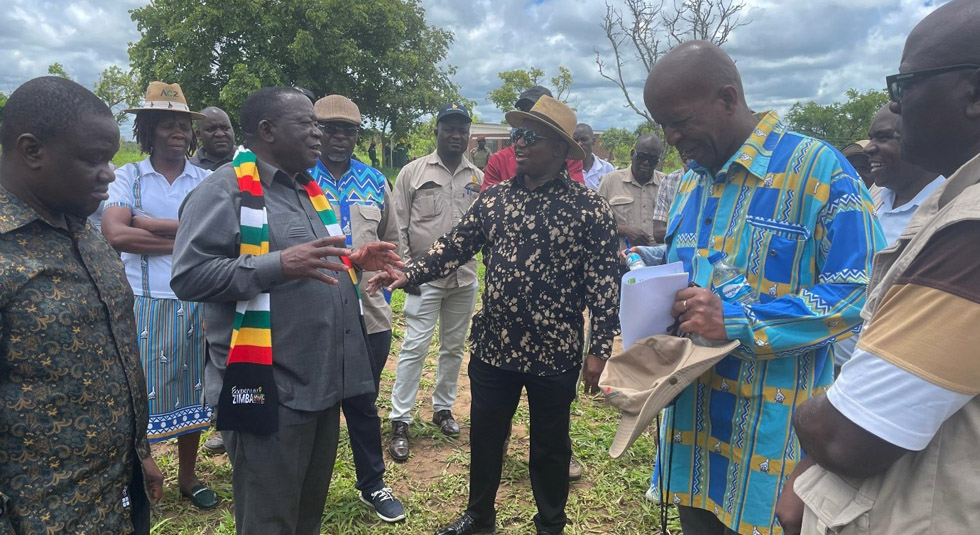
Lloyd Makonya
Correspondent
ZIMBABWE is intensifying its commitment to safeguarding liberation war heritage, both within its borders and across the region following a high-level working visit to Mozambique last week.
Led by Home Affairs and Cultural Heritage Minister, Honourable Kazembe Kazembe, the interministerial delegation included Deputy Chief Secretary in the Office of the President and Cabinet responsible for Finance, Administration and Human Resources, Mr Zvinechimwe Churu, as well as senior officials from various ministries.
The team toured the Chimoio Liberation War Heritage Site on the first day of a two-day visit to assess progress ahead of the upcoming commissioning of restoration projects.
On the final day, they visited the sombre and historically significant Doroi Transit and Refugee Camp, a site etched deeply into Zimbabwe’s liberation memory.
This visit underscored Government’s unwavering determination to ensure that the planning, development and preservation of liberation heritage is carried out in a coordinated, thoughtful and efficient manner.
While major national shrines continue to receive attention, the delegation noted the urgent need to prioritise smaller, but equally important sites scattered across neighbouring countries, places where thousands of Zimbabwean cadres trained, lived and in many cases, paid the ultimate price.
“They deserve the honour they are due,” said Minister Kazembe.
He stressed the necessity of giving liberation heritage sites outside Zimbabwe’s borders the dignity befitting their historical weight.
“Sites like Chimoio and Freedom Camp are important places in Zimbabwean history. They are powerful testimonies to the courage and bravery of our people during the liberation struggle, and they deserve to be well preserved. These shrines must receive a remarkable facelift so that we give them the honour they are due,” he said.
His remarks highlighted the need for regional collaboration in preserving shared liberation history and an interconnected legacy spanning Mozambique, Zambia, Angola and Tanzania. Welcoming the delegation, Zimbabwe’s Ambassador to Mozambique, Ambassador Victor Matemadanda, commended Government for its steadfast commitment to honouring liberation spaces beyond national borders.
He expressed gratitude to President Mnangagwa for entrusting him with this solemn mission.
“We thank His Excellency, the President for the confidence he has shown in us to ensure that all liberation war heritage sites here in Mozambique are identified and accorded the dignified status they deserve.”
Ambassador Matemadanda highlighted several sites in Mozambique still requiring comprehensive attention among them Chikwalakwala A and B, Mapai, Nyangao, Changara, Tembwe, Chibawawa, Espungabeira, Toronga, Inhamhinga and Mavonde.
These once functioned as training bases, refugee camps or vital transit points for cadres escaping colonial persecution. Doroi, established in 1976 as a refugee-cum-transit camp, is home to an estimated 900 graves of Zimbabwean freedom fighters and civilians who succumbed to hunger, disease and hardship during the war.
Walking through the silent, windswept burial grounds, the delegation confronted the sobering reminders of a struggle fought under unimaginable conditions.
Ambassador Matemadanda recounted the grim realities: “At the peak of the deaths, we sometimes saw five to 10 burials in a single day. Doroi is not just a site; it is a sacred reminder of the price paid for freedom.”
The local custodians including Chief Doroi were appreciated for helping in maintaining the site.
Deputy Chief Secretary, Mr Churu urged the interministerial team to pool expertise and creativity to ensure that these sacred spaces are restored to their fullest potential.
“In our planning, let us work with the sites in Zambia and Angola in mind as well. These should be our short- to medium-term projects, even as we continue focusing on the major undertakings like Chimoio,” he said.
His call reinforced the need for an integrated regional preservation strategy, one that recognises the sacrifices made across borders.
The visit set the tone for a reinvigorated, more coordinated preservation framework.
Government officials reiterated that Zimbabwe remains committed to honouring all who fought for independence by ensuring that the spaces holding their stories are protected, dignified and accessible to future generations.
The work ahead is substantial and emotionally charged but the nation’s resolve is unmistakable.
Zimbabwe is positioning itself to safeguard liberation heritage at home and abroad with the reverence and strategic focus such sacred history deserves.