Online Reporter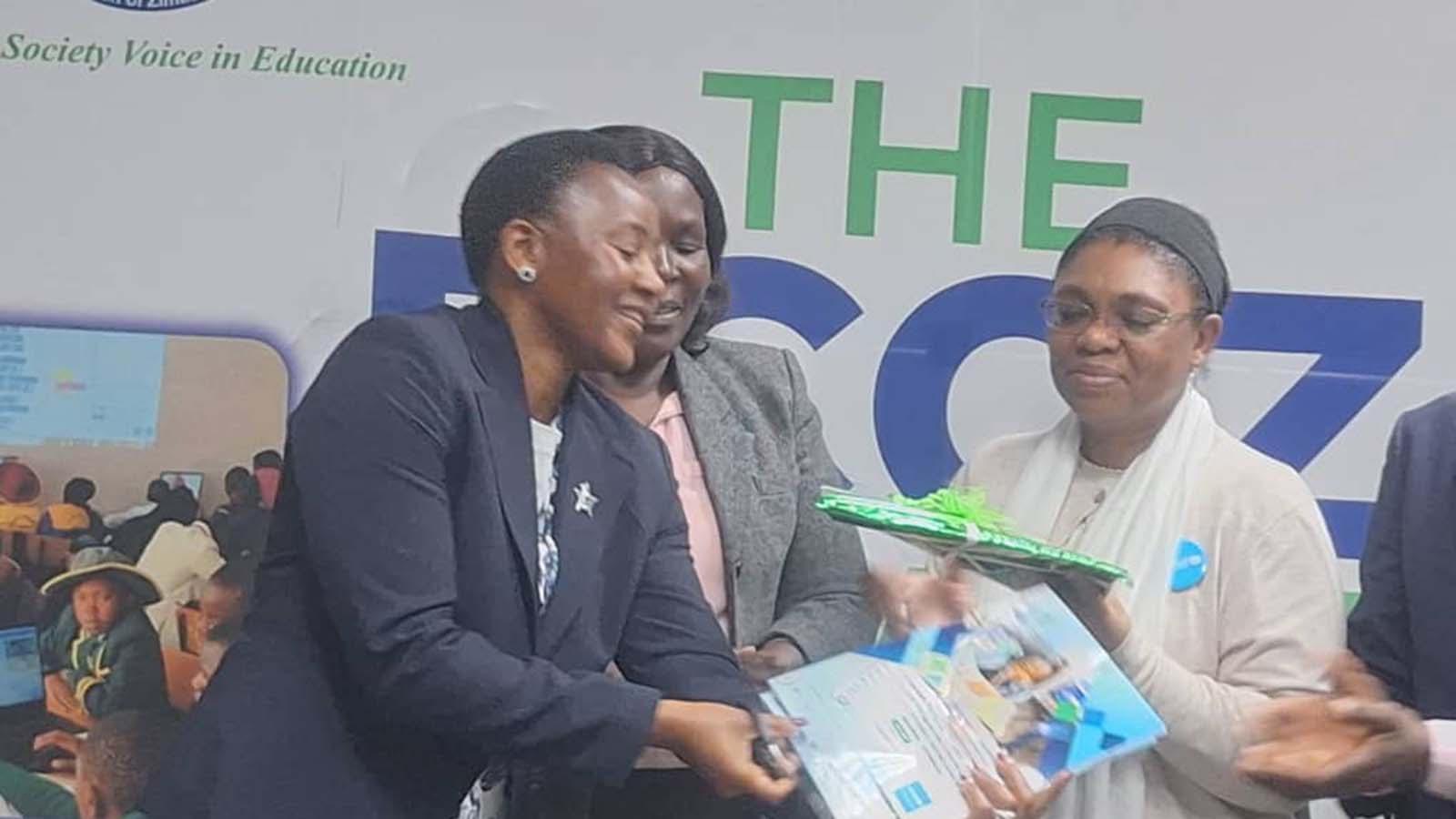
Muchaneta Chimuka
GOVERNMENT, through the Ministry of Primary and Secondary Education, in partnership with the Education Coalition of Zimbabwe (ECOZI), has launched the report on the Audit of Gender Equality and Social Inclusion (GEDSI) responsiveness in policies, circulars, and programmes to ensure no child is left behind.
Ministry of Primary and Secondary Education Deputy Minister Dr Angeline Gata said the launch and dissemination of the findings of the GEDSI responsiveness audit to all the ministry’s leadership and key stakeholders is sharing evidence-generated information.
“The audit highlights the strengths, gaps and opportunities for strengthening the Ministry of Primary and Secondary policies, circulars and programmes,” she said.
“It helps us to agree on priorities that will help support continued mainstreaming of GEDSI policy development, programme implementation, monitoring and service delivery.”
She said they hope to enforce the safe schools framework, including children in institutions of care, and launch a dedicated plan on violence against boys under the National Plan.
“We are working with traditional and religious leaders to challenge early marriages and disability stigma and providing resources in 72 districts with gender champions as well as investing in infrastructure to ensure that schools have ramps, rails and disability friendly toilets and information and communication technology devices through ward development funds and Basic Education Assistance Module and to integrate sanitary ware into school budgets,” she said.
She commented on the Government for supporting several initiatives that include emotional learning and sports in fighting gender-based violence in schools, cyberbullying, and drugs and substances in schools.
Deputy Minister Gata said that the country’s constitution (2013), the Education Amendment Act (2020), and Statutory Instrument 13 of 2025 guarantee gender equality in education, urging girls not to be passive beneficiaries of change but active agents of transformation, even amidst crisis.
Speaking on behalf of the Permanent Secretary in the Ministry of Primary and Secondary Education, Mr Moses Mhike, the Chief Director in the ministry, Mr Lameck Mudyiwa, said the unpacking of the report findings shows that planning, budgeting and accountability are the cornerstones of education development.
“Zimbabwe ranks 49th globally and 8th in Sub – Saharan Africa in gender parity, an improvement from 52 and in 2024. World Economic Forum’s 2025 Global Gender Gap Index Report. We are proud that GEDSI held a collaborative exercise of assessing the extent to which the ministry is promoting frameworks on equity and inclusion,” he said.
Director for Gender Mainstreaming, Inclusivity and Wellness, Ms Itai Zinzombe, said gender issues do not affect only women; men also play a critical role.
“Men are critical to gender issues because they hold significant societal power and privilege,” she said.
“Achieving lasting gender justice requires dismantling patriarchal systems and transforming the power dynamics that negatively impact all genders when men act as allies in solidarity. Men are essential to the conversation to bring systemic change.”
She said that historic and systemic structures have favoured men; their active participation is necessary to overcome the disempowerment standing in the way of gender equality.
“Challenging masculinity involves engaging men to help dismantle negative or rigid social norms (such as the idea that men must control everything or suppress emotion), which in turn reduces gender-based violence and promotes healthier relationships,” she said.
The purposive, stratified sampling was guided by vulnerability indicators in four provinces, Harare, Mashonaland East, Mashonaland Central, and Mashonaland West, through the use of online tools and face-to-face interviews.
They noted that teen mothers and children with disabilities still face systemic barriers, especially in rural areas, and that the National Disability Policy (2021) lacks legal force, and that there is a need for a dedicated school budget for gender clubs and disability support, the GEDSI initiative, mental health support, and career recognition for teachers and focal persons.
Zimbabwe has a regulatory guideline that aligns with the International Conventions, including the Sustainable Development Goals, the Convention on the Elimination of All Forms of Discrimination Against Women, and the SADC Protocol on Gender and Development.