Online Reporter
Joseph Madzimure
Zimpapers Politics Hub
GOVERNMENT is in the process of developing the National Development Strategy-2 (NDS-2), which runs from 2026 to 2030, following the successful implementation of the National Development Strategy (NDS-1) from 2020 to 2025, Zanu PF’s Secretary for Economic Affairs, Lt Gen (Rtd) Dr Engelbert Rugeje has said.
The NDS-2 is a strategic plan set to guide the country’s national development agenda from 2026-2030 building on the success of NDS-1.
In a speech delivered by his deputy Cde Endy Mhlanga at the National Budget consultations meeting in Harare on Friday, Lt Gen (Rtd) Dr Rugeje, said the strategy aims to drive sustainable economic development, promote industrialisation and enhance the country’s resilience to climate change.
“The second phase of the development plan seeks to attain 10 National Priority Thematic Proposals to shape and design the execution of NDS-2 in line with the aspirations of Vision 2030,” said Lt Gen (Rtd) Dr Rugeje.
The NDS-2 priority pillars, he said, are Macro-Economic Stability and Financial Sector Deepening; Inclusive Economic Growth and Structural Transformation; Infrastructure Development and Housing, Food Security among others.
He said as the curtain closes on 2025, it is important to consolidate the gains made thus far in macroeconomic stability, anchored on a strong, reliable and stable currency the Zimbabwe Gold (ZiG), that has remained stable and bullish against all odds.
Cde Mhlanga highlighted that Zimbabwe’s monetary policy framework has decisively shifted the national narrative, from a chapter of high inflation to a new era of economic stability, much to the astonishment of the country’s detractors.
“The party must continue to lead in aggressive campaigns to promote the use and acceptance of the ZiG including in remote areas of our country.
“This remarkable resilience is not just a statistic, it is a bold and undeniable testament to the visionary, decisive, and unwavering leadership of President Mnangagwa.
“In the face of global headwinds and relentless adversity, our President has risen above the storm, crafting and executing transformative economic policies that are not only stabilising our economy but redefining its trajectory.
“He has walked the talk, staying on course with unmatched determination to anchor price, currency and exchange rate stability,” he said.
He further said the introduction of the structured currency, the Zimbabwe Gold, (ZiG) in April 2024 was not just a policy move, it was a masterstroke of economic leadership, ushering in a new era of confidence, control and national pride.
“As we close the year, programmes will mainly focus on preparations for the 2026 National Budget which budget must be able to strike a balance between increased sustainable economic growth, infrastructural development and more importantly, improved livelihoods of the people, in line with President Mnangagwa’s Vision 2030.”
Lt Gen (Rtd) Dr Rugeje said the 2026 national budget needs promote the ease of doing business and be able to attract more domestic and foreign investments into the country.
“More importantly, the Department of Economic Affairs will lead and co-ordinate the party’s familiarisation and awareness programmes for the NDS-2,” he said.
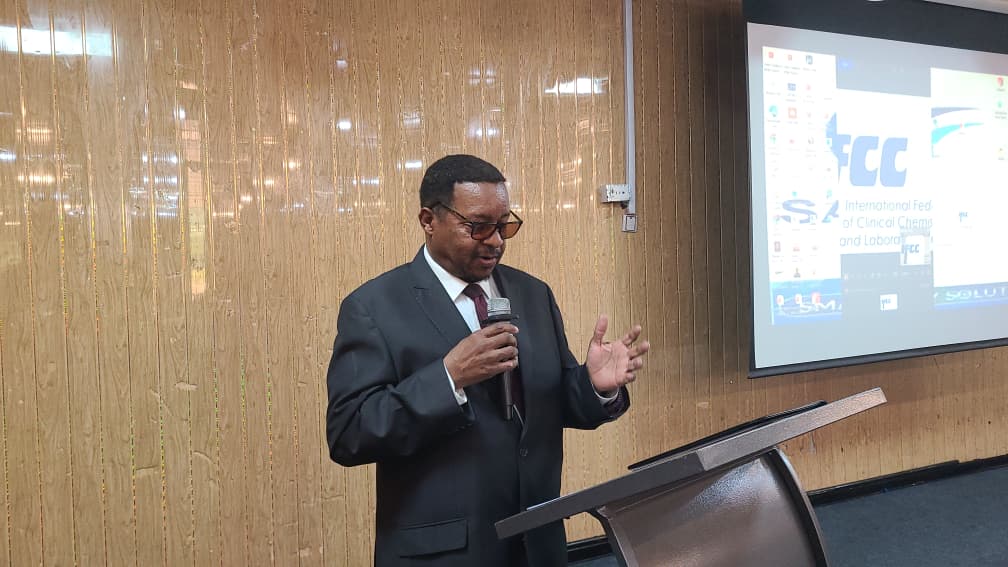
The meeting which was attended by the business community and SMEs was seeking to hear proposals for the 2026 National Budget from key stakeholders for consideration by the Government through the Treasury.
Lt Gen (Rtd) Dr Rugeje said Under President Mnangagwa’s visionary and astute leadership of the Second Republic, Zimbabwe is now the fifth-largest economy in Southern Africa, with US$44,4 billion in GDP from US$35.2 billion, mainly due to the inclusion of previously unrecorded economic activities, especially in the informal sector and newly established businesses.
The revised GDP figures place Zimbabwe as the fifth-largest economy in the region, behind only South Africa (US$400 billion), Angola (US$115 billion), Tanzania (US$80 billion) and the Democratic Republic of Congo (DRC) (US$71 billion), based on the 2024 projections by the International Monetary Fund (IMF).
The 2026 Budget Consultative meeting was attended by war veterans, business leaders, Small to Medium Enterprises, Miners among others.