Chronicle Editor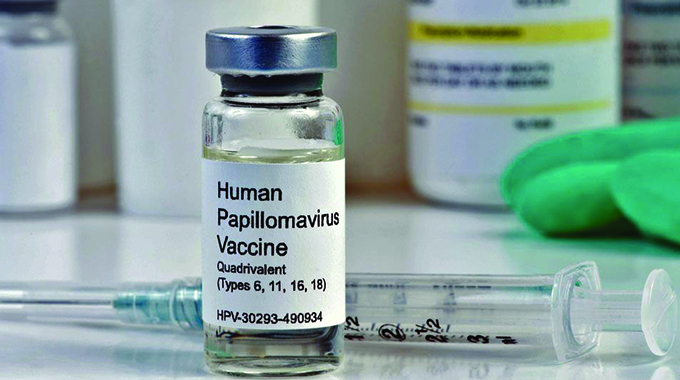
Michelle Moyo, [email protected]
GOVERNMENT has launched a nationwide campaign to vaccinate against Human Papillomavirus (HPV), targeting children aged 10 years and above.
The programme seeks to protect citizens from the harmful effects of HPV, which can ultimately lead to cervical, anal, and other cancers.
By vaccinating children and adults, the Government hopes to reduce the burden of HPV-related diseases and improve overall public health.
The vaccination programme, which is expected to be rolled out in both urban and rural areas, will be implemented in collaboration with healthcare providers and community leaders.
According to the Ministry of Health and Child Care, Zimbabwe has a disproportionately high rate of cervical cancer, ranking fourth globally.
Government has integrated the HPV vaccine into the routine immunisation programme, targeting girls aged 10 years to protect them from cervical cancer caused by the human papillomavirus with vaccinations administered at various intervals.
With funding from the Health Resilience Fund (HRF) and technical assistance from its partners, Government has been able to implement integrated outreach programmes that empower local nurses to deliver vaccines to girls in schools.
Director of family health care in the Ministry of Health and Child Care, Dr Jaensch Masanga, said the HPV vaccine has been cleared for use by the Medicines Control Authority of Zimbabwe (MCAZ).
“The Zimbabwean schedule has two doses given to the girl child in Grade Five and to 10-year-olds who are out of school. The second dose is given 6-12 months apart, and the goal is to ensure that 90 percent of girls get vaccinated before the age of 15 years by 2030,” she said.
Dr Masanga said the vaccine is effective in preventing infections from the HPV strains linked to cancer and other related cancers. She said the vaccine has an efficacy rate of 90-100 percent for prevention when the recommended doses are completed.
“The HPV vaccine is generally well-tolerated and most girls who receive it do not experience any side effects. However, mild side effects can occur, including fever, headache, fatigue, and pain at the injection site,” she said.
“Rarely, more serious side effects can occur such as allergic reactions, rash, fainting, and dizziness, but these are extremely uncommon.”
Dr Masanga said the HPV vaccine is widely available in all public health facilities across the country. The ministry has also made it accessible to private healthcare providers to ensure broader coverage and convenience for individuals seeking vaccination.
“The HPV vaccine is incorporated into the routine vaccination programme and the schedule is outlined in the child health cards. The vaccine is accessible through all static health facilities and outreach teams comprising district and facility-based healthcare workers who conduct vaccination drives in schools and hard-to-reach areas to ensure equitable access,” she said.
Dr Masanga said the programme is capitalising on existing initiatives targeting adolescent girls within the communities.
“Continuous community engagement through dialogues with the local leadership and parents is being done on the HPV vaccination. Information on HPV is also being given to school girls by health teams and school coordinators,” she said.
Dr Masanga said adolescents have been empowered through training on HPV, enabling them to serve as champions and ambassadors for the programme and promoting awareness and advocacy among their peers and in their communities.
She said plans are underway for the ministry to collaborate with the Ministry of Primary and Secondary Education to integrate the HPV programme into the school curriculum, leveraging local radio stations to disseminate information and develop International Electro-technical Commission (IEC) materials in all languages for widespread distribution in communities to ensure a comprehensive approach to HPV awareness and education.
Dr Masanga said presently resources are only available to provide the HPV vaccine to girls under the age of 15 years both in and out of school.
Girls above 15 years old require alternative screening methods, such as Visual Inspection with Acetic Acid (VIA) and Cervicography (VIAC) testing, and if they test negative, they can access the vaccine at a cost in the private sector.
Dr Masanga said they also are planning to expand the vaccination programme to include boys based on evidence and scientific recommendations. — @Lo7246Lovelyn



 Online Reporter