Chronicle Editor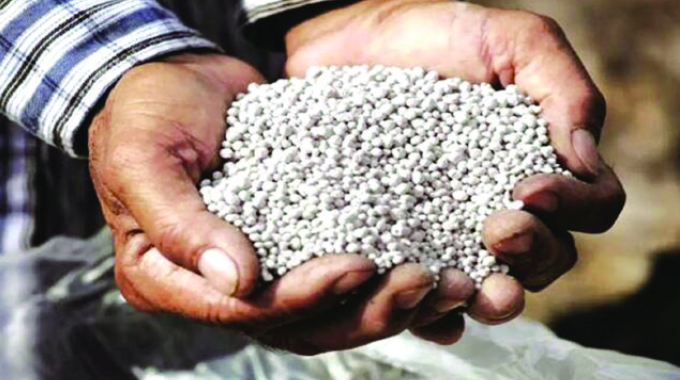
Innocent Mujeri, Correspondent
THE Government’s recent decision to suspend duty on fertiliser imports for approved importers with immediate effect is a welcome move, signalling a strong commitment to ensuring agricultural productivity and food security in the country.
This policy decision comes at a critical time, just as the planting season begins, and it has the potential to significantly benefit farmers by lowering costs, increasing access to critical inputs, and boosting overall crop yields.
However, the benefits will only be fully realised if farmers across Zimbabwe, especially those who have received land through the land reform programme, treat farming with the seriousness it deserves — not as a part-time activity but as a vital endeavour for national progress.
The suspension of duty on fertiliser imports will reduce input costs, making fertilisers more affordable for farmers. Fertiliser is a critical component of modern agriculture, providing essential nutrients that boost crop productivity and improve soil fertility.
By removing import duties, the Government is reducing the financial burden on importers and, by extension, on farmers who purchase these inputs. This cost reduction will be particularly important for smallholder farmers, who make up the bulk of Zimbabwe’s agricultural sector.
For many of these farmers, the cost of inputs often represents a significant portion of their operational expenses. Lower input prices will enable them to invest in their farms more effectively, thereby increasing their yields and profitability.
Furthermore, the suspension of duty is expected to stabilise the supply of fertiliser in the market. In recent years, Zimbabwe has experienced periodic shortages of agricultural inputs, often at the most critical times of the planting season. These shortages, coupled with high prices, have negatively impacted productivity, leaving many farmers struggling to meet their planting targets. With the removal of import duties, importers will be able to bring in greater quantities of fertiliser, reducing the risk of shortages and ensuring that farmers can access the inputs they need, when they need them.
This improved availability will empower farmers to plan their planting seasons with greater confidence, knowing that a critical component of their input mix will not be in short supply.
While the Government’s move is commendable, it is also a timely reminder that farming should not be treated as a casual or part-time activity. Zimbabwe’s agricultural sector is the backbone of the economy, and its performance has a direct impact on national food security, employment, and economic stability. Farmers must approach agriculture with dedication and professionalism, embracing it as a full-time, serious business endeavour.
This mindset shift is essential if Zimbabwe is to fully realise the benefits of policies such as the duty suspension on fertiliser imports. Successful farming requires consistent effort, attention to detail, and a willingness to adapt to new techniques and technologies.
The need for a dedicated approach to farming is particularly critical for beneficiaries of the land reform program. Land reform was a bold and necessary step, but it comes with responsibilities. Every land beneficiary has a duty to make productive use of their land, not only for their own benefit but also for the greater good of the nation.
Idle or under-utilised land is a missed opportunity to contribute to Zimbabwe’s food security and economic development. By taking farming seriously, land beneficiaries can help ensure that the nation produces enough food to meet domestic demand, reducing reliance on imports and strengthening national resilience in the face of global food supply challenges.
Food security is not solely the Government’s responsibility; it is a collective effort that involves every Zimbabwean.
Each citizen, whether directly involved in farming or not, has a role to play. For farmers, this means maximising productivity and making efficient use of available resources, including land, water, and agricultural inputs such as fertiliser.
For urban dwellers and those in other sectors, it can mean supporting local agricultural initiatives, participating in community-based food security programmes, or advocating for policies that benefit the agricultural sector.
Food security is a matter of national pride and survival, and every Zimbabwean has a stake in ensuring that the nation’s food systems are robust and resilient.

The Government’s duty suspension on fertiliser imports also presents an opportunity to encourage the adoption of sustainable farming practices. While the increased availability of fertiliser is positive, it is important for farmers to use these inputs wisely.
Excessive or improper application of fertiliser can lead to soil degradation, water pollution, and other environmental issues. Farmers should be educated on the importance of soil testing, proper application techniques, and the use of organic alternatives where possible.
By adopting sustainable practices, farmers can protect the long-term health of their land while still achieving high productivity.
Collaboration between farmers, Government agencies, and the private sector is also key to ensuring that the duty suspension translates into real benefits on the ground. Importers must work closely with farmers to ensure that the reduced costs are passed on and that fertilisers reach those who need them most.
The Government extension officers should be deployed to provide technical support, helping farmers to make the most of the inputs they receive.
The private sector, including agribusiness companies and financial institutions, can play a role by offering affordable credit facilities, providing training, and investing in agricultural value chains.
It is also important to consider the broader economic impact of a productive agricultural sector. Agriculture drives economic growth, creates jobs, and generates foreign exchange through exports.
By supporting farmers and ensuring they have access to affordable inputs, the Government is investing in the nation’s economic stability and prosperity. A thriving agricultural sector can uplift rural communities, reduce poverty, and create opportunities for young people, encouraging them to see farming as a viable and rewarding career.
The suspension of duty on fertiliser imports is a positive step that underscores the Government’s commitment to supporting farmers and enhancing food security in Zimbabwe. However, its success depends on the collective effort of all stakeholders. Farmers must treat agriculture as a serious, full-time endeavour, and land beneficiaries must use their land productively.
Local authorities, Government agencies, and the private sector must work together to ensure that inputs reach farmers and that they are used efficiently and sustainably.
Every Zimbabwean has a role to play in building a food-secure nation, and by working together, we can make this vision a reality. Let us seize this opportunity to strengthen our agricultural sector and build a brighter, more resilient future for Zimbabwe.



 Online Reporter