

 Online Reporter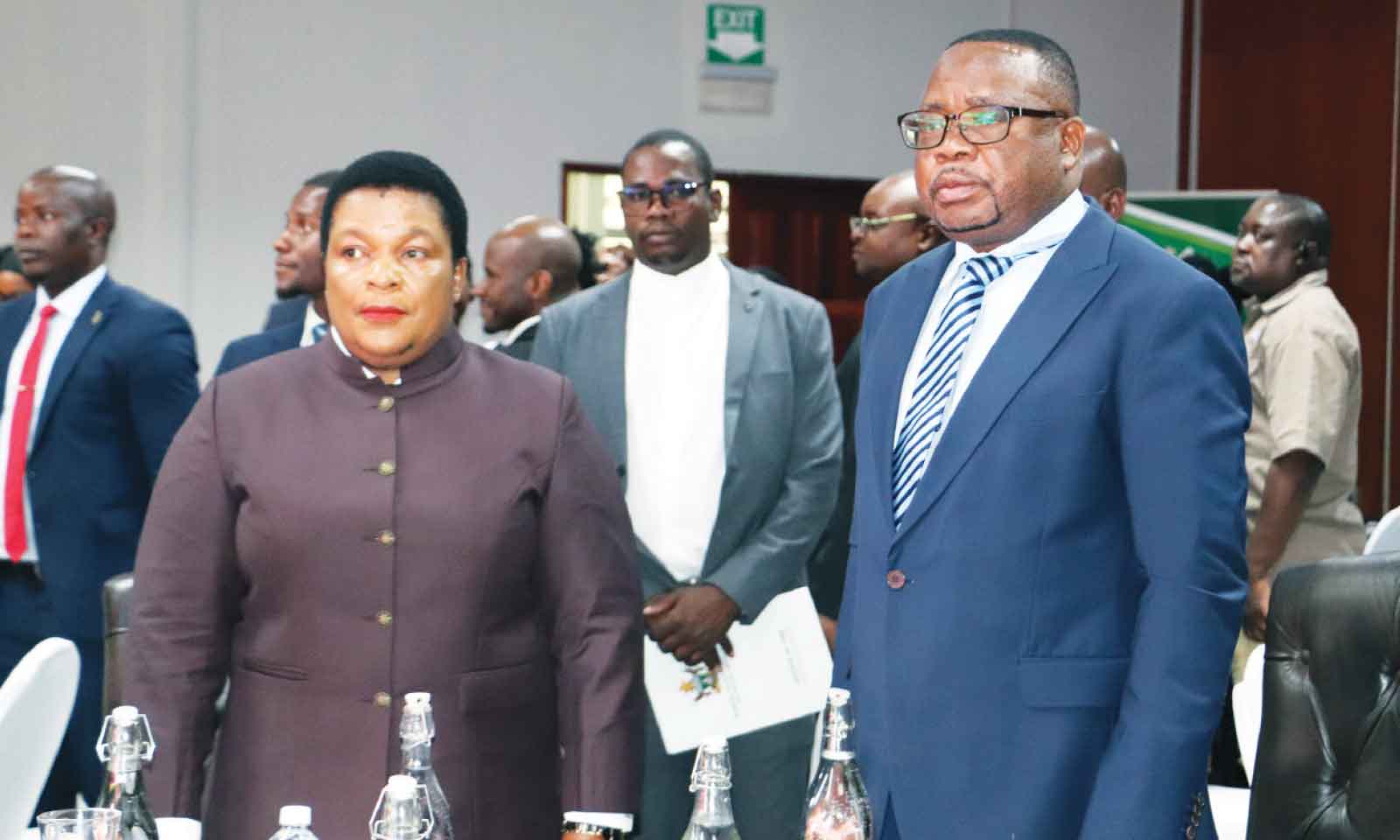
Trust Freddy
Zimpapers Correspondent
GOVERNMENT has challenged the private sector to bridge the national housing gap through innovative financing and “green” construction technologies.
The call was made by National Housing and Social Amenities Minister Professor Paul Mavima at a high-level stakeholder dinner in Harare on Wednesday night.
Running under the theme, “Building Together: Operationalising NDS2 (National Development Strategy 2) for Housing and Social Amenities,” the event signalled a shift towards aggressive implementation of housing targets following the successes recorded under NDS1.
Prof Mavima said the sector was now on a “strong footing” after achieving its housing and social amenities targets during the NDS1 period, guided by the Zimbabwe National Human Settlements Policy.
“NDS2 sets out ambitious, yet achievable, goals for housing and social amenities infrastructure,” said Prof Mavima.
“At its core, the strategy envisions accelerated delivery of affordable and decent housing units to meet the growing demand across urban and rural areas. Public-Private Partnerships (PPPs) and Commercial Joint Ventures (CJVs) must form the core strategy for increased housing delivery for the sector to attain the NDS2 target of one million housing units by 2030.”
The Minister revealed that Government has bolstered its financial muscle on the international stage by increasing its shareholding in the Shelter Afrique Development Bank from 1,25 percent to 5 percent.
This elevation to Class A shareholder status means more resources are now accessible to local private land developers, banks and financial institutions to fund large-scale projects.
Prof Mavima also offered a major incentive for local institutional investors, saying the ministry is ready to facilitate Prescribed Asset Status for housing projects that meet national criteria.
“This window is wide open and the Ministry stands ready to assist. All we require is factual justification for the application, and the ministry conducts due diligence before extending the support letter,” he said.
Beyond financing, the minister stressed the need for “smart and green” building solutions to mitigate the effects of climate change.
He also urged developers to move away from traditional methods and adopt sustainable, inclusive designs that incorporate renewable energy.
Minister Mavima added that housing delivery must be accompanied by the provision of off-site infrastructure, including roads, water and sewer systems, to ensure new developments do not become “islands” without services.
“As we build, we must also look to the future. Incorporating environmentally sustainable and inclusive designs, renewable or smart energy, and climate-resilient construction will ensure that our housing stock is not only modern, but also sustainable.”
Prof Mavima called for the support of local industries producing cement, bricks and tiles to reduce construction costs and stimulate economic growth. The event was attended by Deputy Minister Musa Ncube, permanent secretaries, local authorities, UDCORP chief executive officer Mr Joey Shumbamhini, and various executives from the built environment. Key stakeholders in attendance included WestProp Holdings Limited, Leengate Civil Engineering (Pvt) Ltd, Shelter Zimbabwe and Pinnacle Holdings, which was represented by businessman Mr Philip Chiyangwa.



