onlinemedia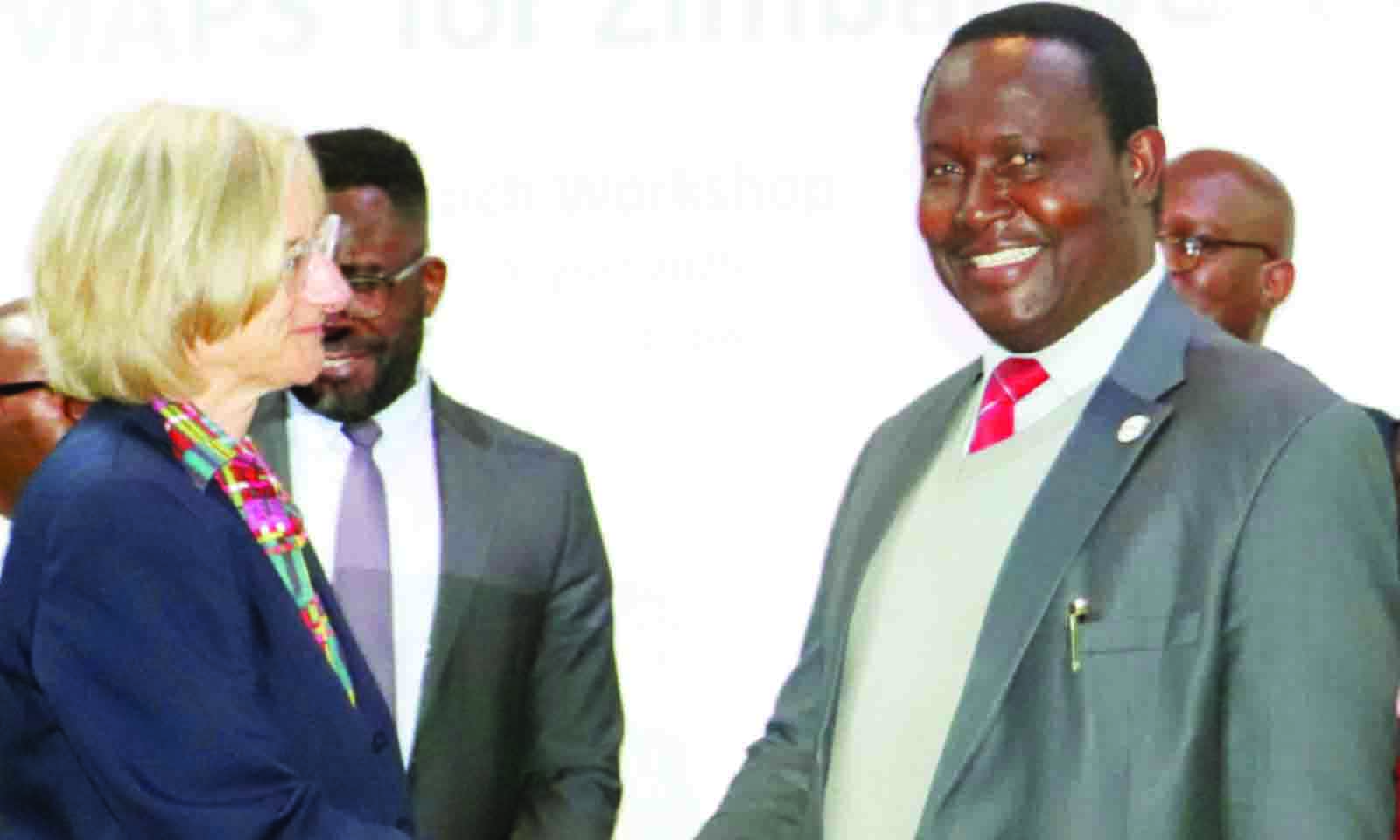
Belindah Chikandiwa
THE Procurement Regulatory Authority of Zimbabwe (PRAZ) has launched a comprehensive methodology to assess the country’s public procurement system, a move set to enhance transparency, efficiency, and inclusivity in the management of public funds.
The new framework, known as the Methodology for Assessing Public Procurement Systems (MAPS), was launched yesterday at a workshop in Harare by PRAZ chief executive officer Dr Clever Ruswa.
The event was attended by senior Government officials, accounting officers, the leadership of the private sector, civil society organisations and development partners, including the African Development Bank (AfDB).
In his keynote address, Dr Ruswa positioned the initiative at the heart of the nation’s development agenda, stating that public procurement reform is critical to achieving Vision 2030 of an upper-middle-income society.
“This vision drives our relentless pursuit of socio-economic transformation and at the heart of this transformation lies public procurement reform,” he said.
“Today we gather to launch a critical tool that will guide our journey towards transparency, efficiency and inclusivity in public procurement.”
Dr Ruswa outlined the significant journey of procurement reform that began in 2017 with the enactment of the Public Procurement and Disposal of Public Assets Act, which established PRAZ and devolved procurement responsibilities to accounting officers.
He highlighted key milestones achieved over the past six years, including the sensitisation of over 12 000 procurement officers and bidders, the review of more than 7 500 special procurements, and the successful launch of an acclaimed electronic government procurement (e-GP) system.
Despite challenges such as Cyclone Idai, COVID-19, and geopolitical tensions, Dr Ruswa said the system had emerged more resilient.
He described public procurement as a “parable of the blind man and the elephant,” where each stakeholder only sees a part of the whole, often leading to divergent views.
“What is the true state of our public procurement system in Zimbabwe? How far have we come in our reforms? What should our priorities be moving forward? For now, I will say MAPS is our answer,” Dr Ruswa said.
He said MAPS is not an audit or a blame game, but a collaborative and inclusive constructive opportunity to identify gaps, align with international standards, and foster trust.
Looking to the future, Dr Ruswa outlined a vision for a modern, sustainable, and inclusive procurement system by 2030 that leverages digital tools, integrates environmental and social responsibility, and ensures all stakeholders can participate fully.
Meanwhile, speaking at the same event, PRAZ board chairperson, Mrs Ntombenhle Moyo, framed the launch in the context of governance and accountability.
Quoting procurement scholar Dr Trevor Brown, Mrs Moyo said:
“Procurement is not just about purchasing, it is about public trust. Every decision we make either strengthens or erodes the foundation of governance.
“Today we have taken a critical step towards strengthening that foundation”.
In an interview, the MAPS Lead Consultant, Mrs Suzie Smith, explained the technical significance of the workshop and the upcoming assessment.
“This workshop is an essential element of launching the MAPS assessment here in Zimbabwe and it has given us a fantastic opportunity to engage with a very large number of stakeholders to start the process to assess the system in a very holistic way, examining various aspects whether it’s delivering value for money, whether there’s good governance and other key aspects to the success of a public procurement system,” she said.



 Online Reporter