Online Reporter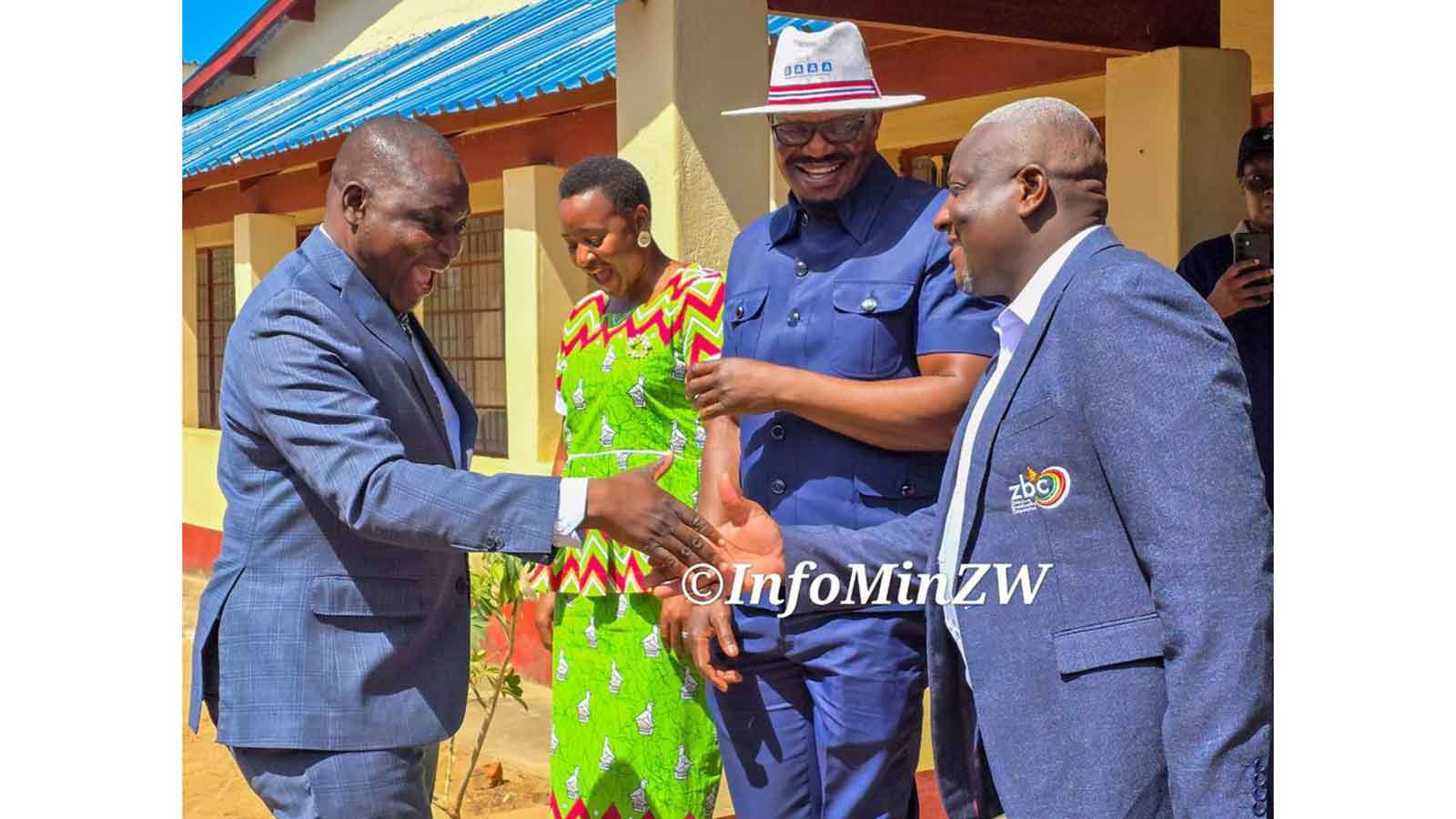
Luthando Mapepa-Mutare Bureau
The Government will continue to foster a supportive media environment under President Mnangagwa by repealing outdated statutes and enacting new laws that promote access to information, media plurality and diversity, Information, Publicity and Broadcasting Services Minister Dr Zhemu Soda has said.
Speaking at the World Radio Day celebrations held at Tongogara Refugee Settlement in Chipinge yesterday, Minister Soda, who also officially commissioned Tongogara FM, outlined Government’s strategy to extend information services to rural communities.
He revealed that 22 community radio licences have been issued, with 14 stations already on air.
Minister Soda said Government is committed to creating a media landscape that empowers every Zimbabwean, especially those in remote areas, and to ensure that the broadcasting sector thrives on the road to Vision 2030.
The remarks reinforce the Government’s broader agenda to modernise the country’s media sector, enhance transparency and support national long‑term development goals.
“The quest to improve information access in rural areas culminated in the licensing of 22 community radio stations and the operationalisation of 14,” he said.
“Since 2022, when Avuxeni FM, the first community radio station, was launched, community radios have grown in leaps and bounds.
“Our partnerships with stakeholders in the broadcasting sector have yielded many positive results, and today our nation stands tall and proud of the progress we have jointly made.”
Minister Soda thanked President Mnangagwa for spearheading the development of a friendly media environment through the repealing and enactment of media laws and policies that have advanced access to information, media plurality and diversity.
“Some of the enacted laws are the Zimbabwe Media Commission Act and Zimbabwe Broadcasting Services Act, which have helped in the capacitation of the Zimbabwe Broadcasting Corporation (ZBC) through collection of motor‑vehicle radio licences.
“The Media Practitioners Bill is under consideration and its gazetting will professionalise the media sector and foster ethical journalism, thus promoting transparency under the Second Republic as we transition towards the attainment of Vision 2030,” said Minister Soda.
He also urged media practitioners to embrace Artificial Intelligence in their craft. “AI platforms, often controlled by tech giants, must not dictate our narratives or censor our truths. While these tools assist radio to reach wider, more diverse audiences, bridging urban‑rural divides and crossing borders, nothing replaces the human touch.
“Our lived experiences, empathy and nuanced understanding of local contexts infuse broadcasts with soul. Human storytelling remains irreplaceable, the heartbeat of radio that builds communities and holds power to account.
“Today, I urge you to embrace AI as your ally, but wield it with wisdom,” he added.
Deputy Minister of Primary and Secondary Education, Dr Angeline Gata, who is also the legislator for Mutema‑Musikavanhu Constituency, said that media diversity and plurality, spearheaded by the Second Republic, aligns with her ministry’s initiative to partner with radio stations for remote learning in order to promote education for everyone.
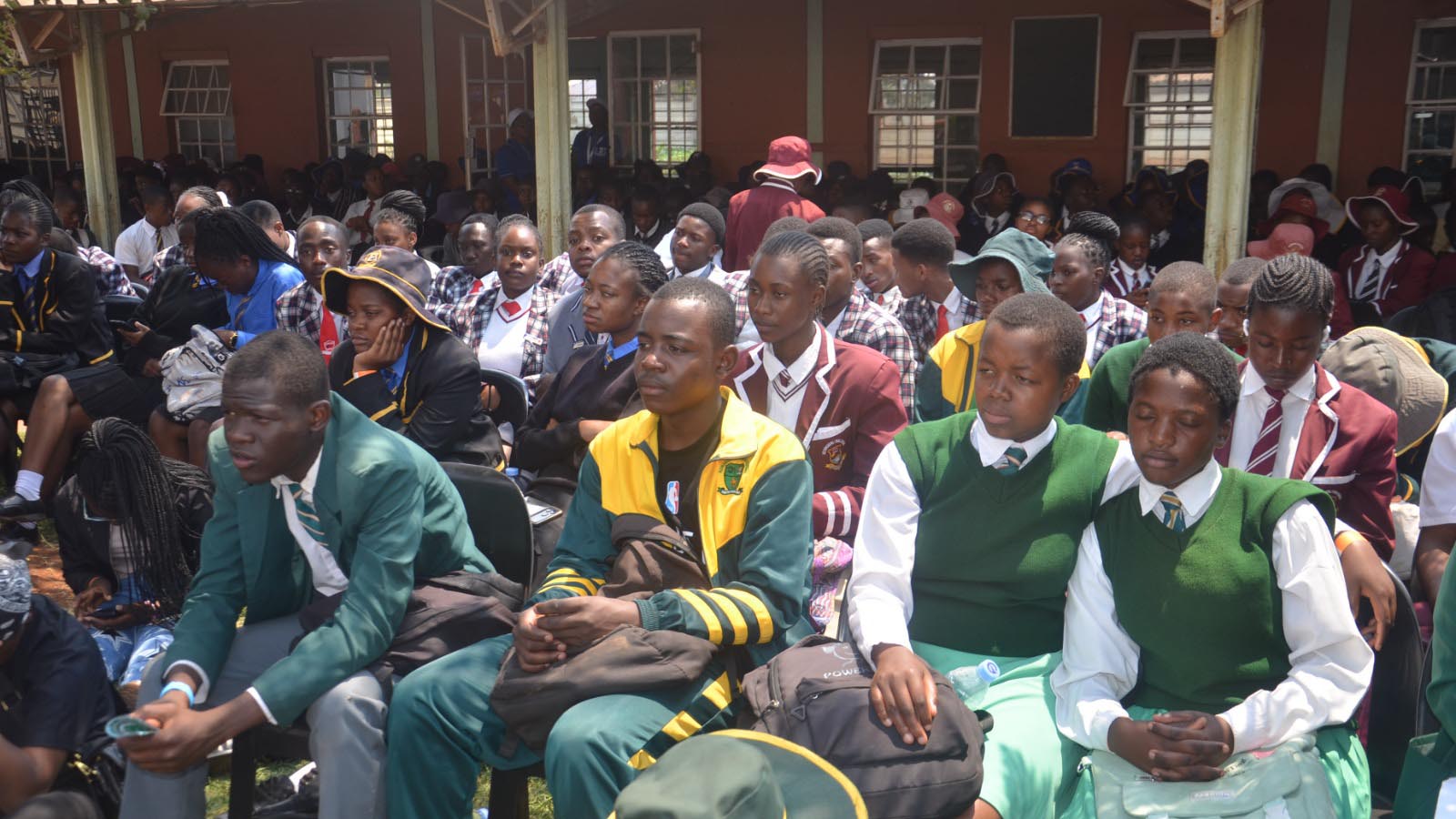
Deputy Minister Gata said radio remains one of the most accessible mediums for delivering educational content, especially in remote areas, and that Tongogara FM will help her ministry reach learners in the settlement, ensuring that no child is left behind.
“This is a welcome development for Tongogara inmates and the host community. The radio station will help the Ministry of Primary and Secondary Education succeed with the Heritage‑Based Curriculum.
“The ministry has partnered with radio stations across the country and managed to provide educational lessons, which is helping us reach everyone in the country,” she said.
Commissioner for Refugees in Zimbabwe, Mr Totamirepi Tirivavi, said the initiative is a big win for refugees and the community.
“This is a welcome development for our society, as it will help promote inclusivity. The radio station will not help Tongogara settlement inmates alone but also the surrounding community, which will help promote local culture and languages,” he said. Tongogara FM station manager, Bishop Dr Djuma Mutahonga Timothy from the DRC, said the new radio station will make the settlement an informed community.
“Access to information was a challenge for us here at the refugee settlement. Most of the inmates did not know what was happening around the country and back home,” he said.
“This radio station is a game‑changer for us, as it will provide inmates with crucial information that fosters development for us and the host community,” he said.
The 2026 World Radio Day ran under the theme, “Radio and Artificial Intelligence: AI is a tool, not a voice”, which served as a powerful reminder that while technology is transforming how news is gathered and shared, it must remain guided by human ethics, judgement and responsibility.